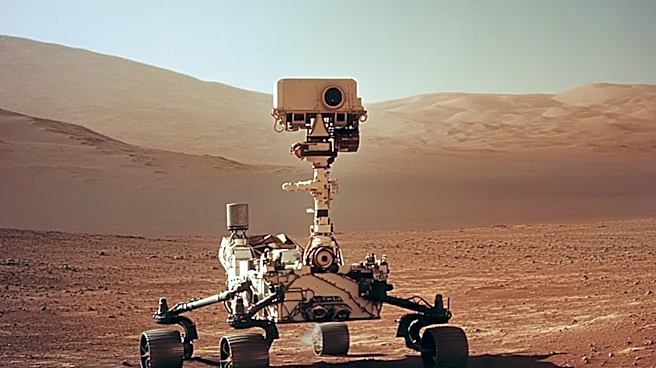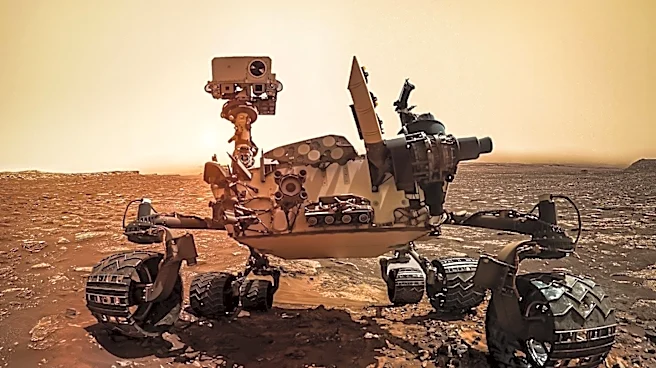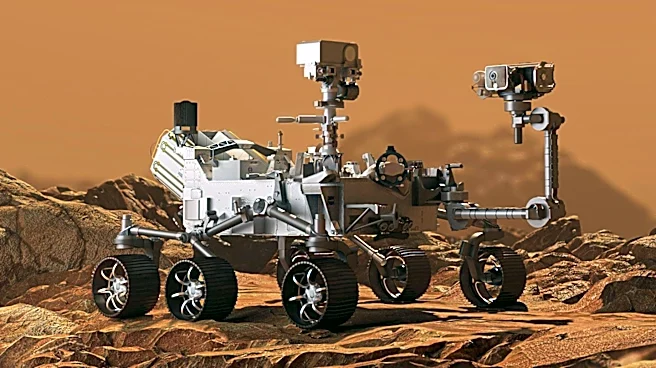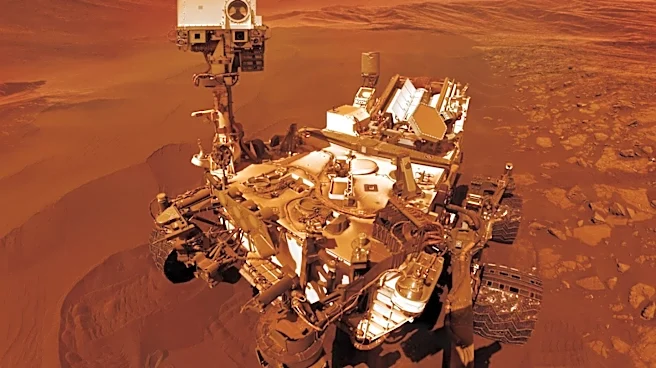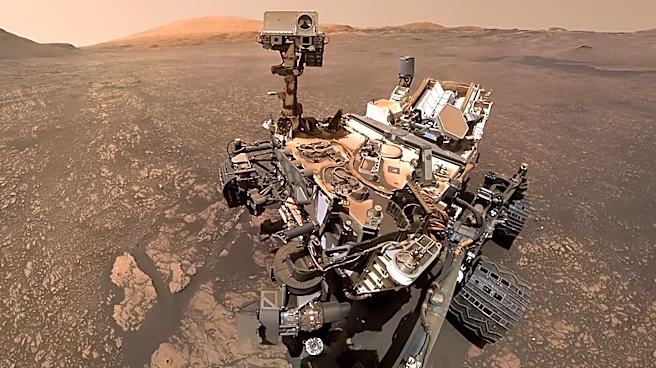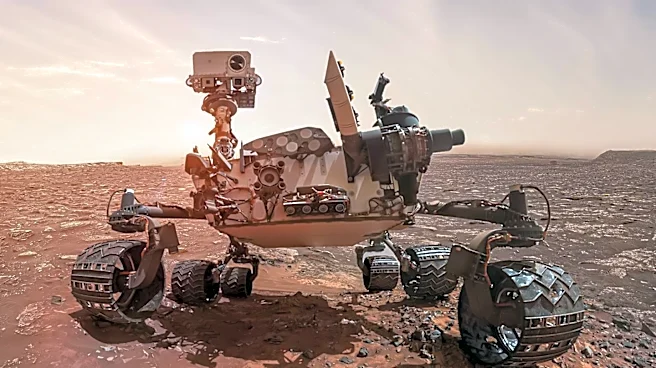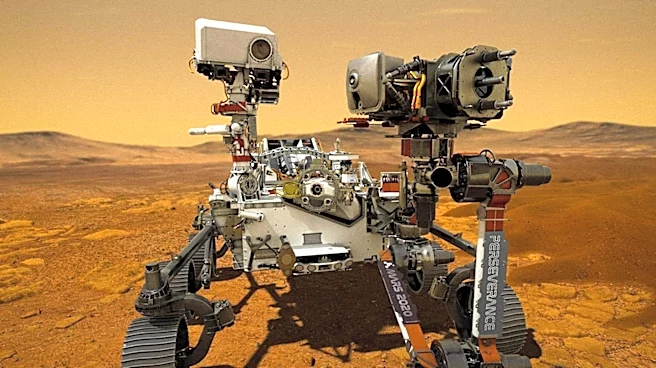


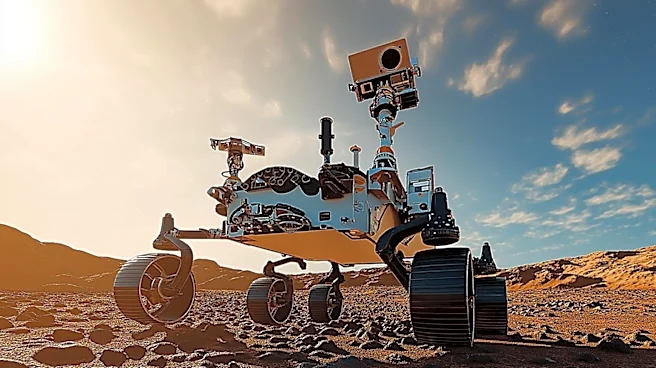
The Perseverance rover, a key component of NASA's Mars 2020 mission, is a testament to human ingenuity and technological advancement. Designed to explore the Martian surface, Perseverance is equipped with cutting-edge instruments and systems that enable it to conduct groundbreaking scientific research. This article explores the design, capabilities, and scientific instruments of the Perseverance rover.
Advanced Design and Engineering
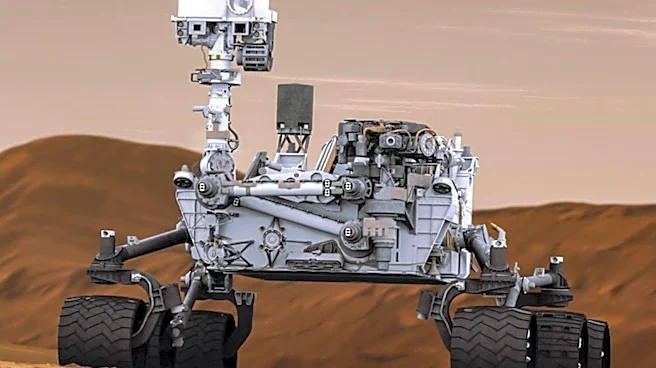
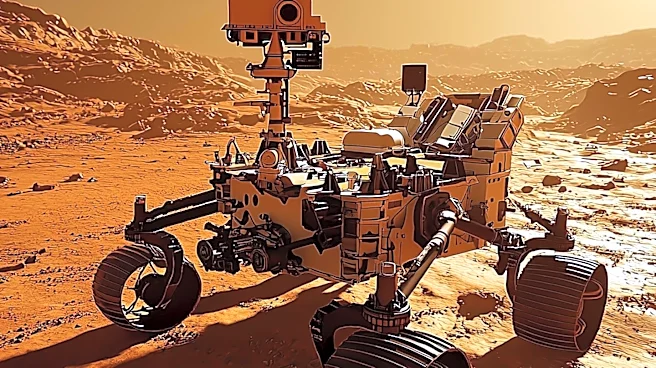
Perseverance is built on the successful design
of the Curiosity rover but includes several enhancements to improve its performance and durability. One of the most significant upgrades is the Terrain Relative Navigation system, which allows the rover to navigate the Martian surface with unprecedented precision. This system uses cameras and onboard computing to compare the rover's surroundings with preloaded maps, enabling it to avoid obstacles and select the safest path.
The rover's wheels have also been redesigned to be more robust and durable, addressing issues encountered by Curiosity. Made from aluminum, the wheels are thicker and have a larger diameter, allowing Perseverance to traverse the challenging Martian terrain more effectively. The rover is powered by a Multi-mission Radioisotope Thermoelectric Generator (MMRTG), which provides a steady supply of electricity and heat, ensuring that Perseverance can operate in the harsh Martian environment.
Scientific Instruments and Capabilities
Perseverance is equipped with a suite of scientific instruments designed to study the Martian surface and search for signs of ancient life. These instruments include the Mastcam-Z, a camera system that provides high-resolution images and panoramic views of the landscape, and the SuperCam, which analyzes the composition of rocks and soil from a distance using laser-induced breakdown spectroscopy.
The rover also carries the PIXL and SHERLOC instruments, which are designed to detect organic compounds and minerals that may indicate past microbial life. Additionally, the RIMFAX ground-penetrating radar provides insights into the subsurface structure of Mars, while the MOXIE experiment tests the production of oxygen from the Martian atmosphere.
A Mission of Discovery
The Perseverance rover's mission is to explore the Jezero Crater, an ancient lakebed that may hold clues to Mars' past habitability. By collecting and caching samples of Martian rock and soil, Perseverance is paving the way for future missions that will return these samples to Earth for detailed analysis.
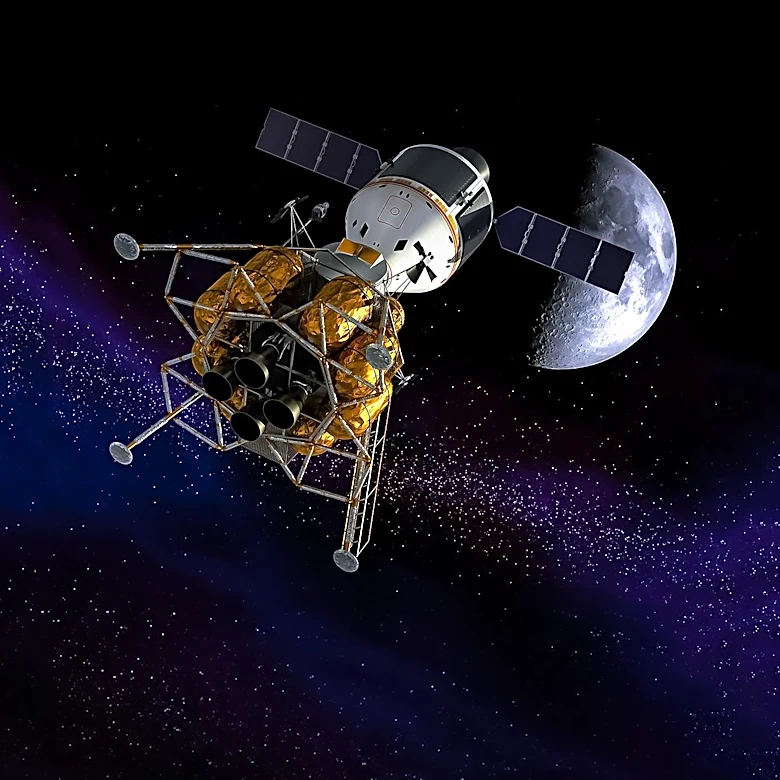
Through its advanced design and scientific capabilities, Perseverance is not only expanding our understanding of Mars but also laying the groundwork for future human exploration. As it continues its journey across the Martian surface, Perseverance is a symbol of our relentless pursuit of knowledge and discovery.