
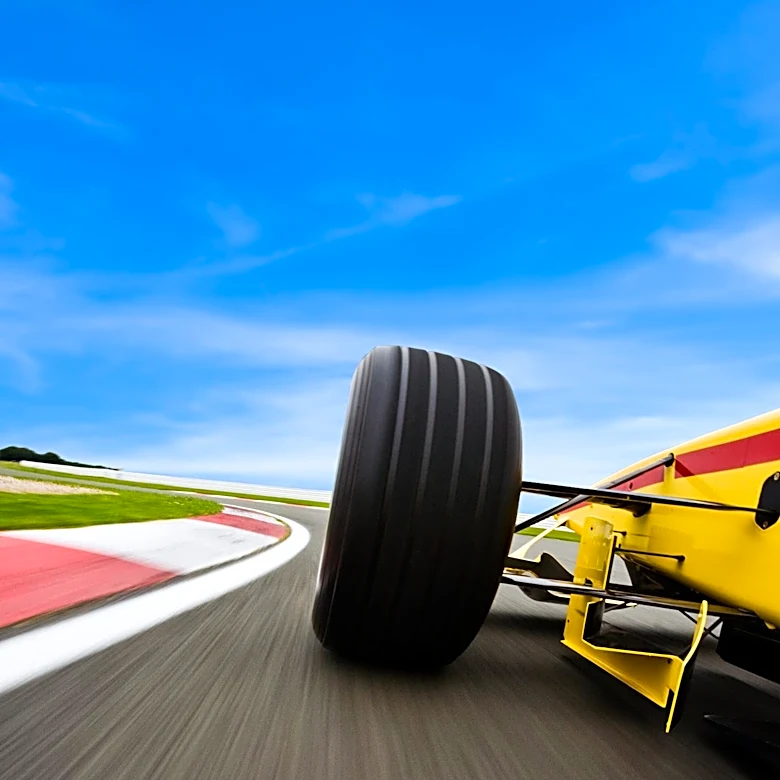
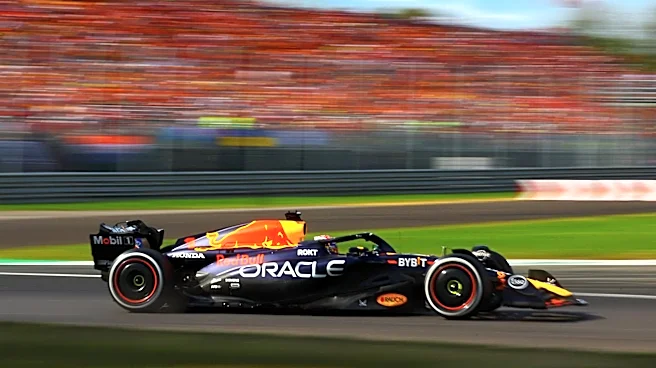

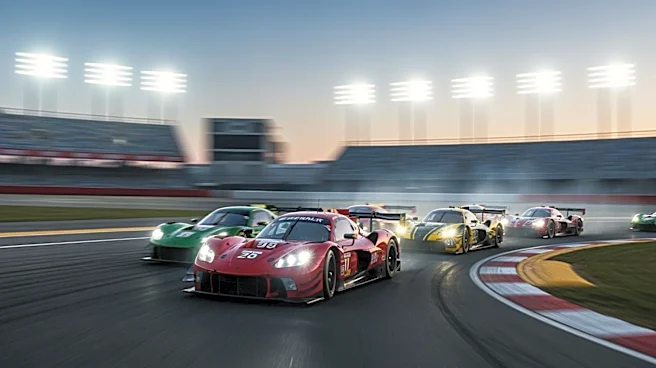


Hillclimbing is a motorsport that challenges both drivers and their vehicles to conquer steep, winding courses in the shortest time possible. The sport's unique demands have led to the development of specialized vehicles and modifications designed to enhance performance and safety. Understanding the mechanics behind hillclimbing provides insight into the technical prowess required to excel in this thrilling motorsport.
Vehicle Modifications
Hillclimbing vehicles are often
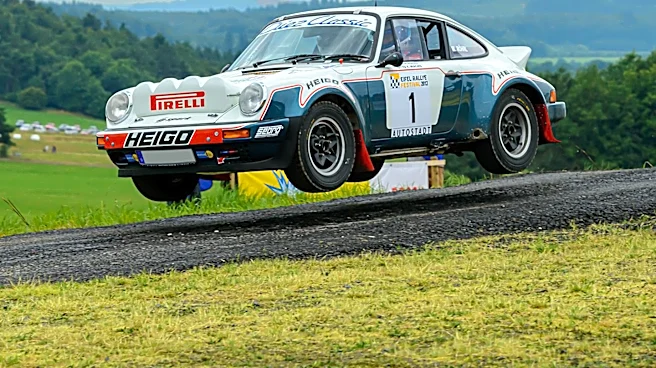
heavily modified to handle the unique challenges of uphill racing. These modifications focus on improving traction, power, and handling to navigate the steep inclines and sharp turns typical of hillclimb courses. One common modification is the use of twin rear tires, similar to those on trucks, to provide better traction on the challenging terrain.
High-powered, supercharged engines are also a staple in hillclimbing vehicles, allowing drivers to maintain speed and power through the course. The famous "Silver Arrows" from Auto Union and Mercedes-Benz in the 1930s exemplified this approach, with their powerful engines dominating European hillclimbing events. Additionally, lightweight construction is crucial, with vehicles like the Porsche 909 Bergspyder weighing in at only 384 kg to maximize speed and agility.
Safety Measures
Safety is a paramount concern in hillclimbing, given the high speeds and challenging courses. Modern hillclimbing events incorporate advanced safety measures to protect both drivers and spectators. Vehicles are equipped with roll cages, fire suppression systems, and reinforced chassis to withstand potential crashes.
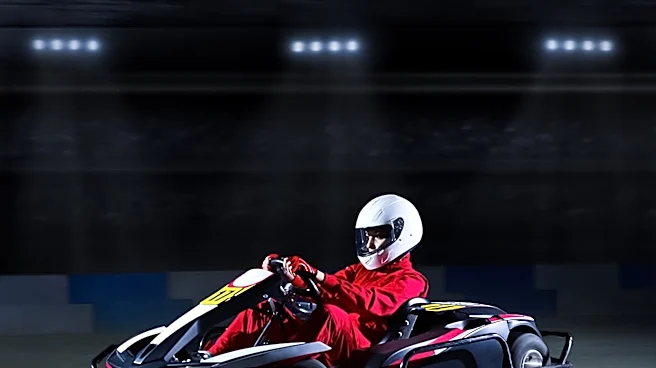
Drivers are required to wear protective gear, including helmets, fire-resistant suits, and harnesses, to ensure their safety during the race. Spectator areas are carefully designated to minimize risk, with barriers and restricted zones in place to prevent accidents. These safety measures have evolved alongside the sport, ensuring that hillclimbing remains both exciting and secure for all involved.
Technological Advancements
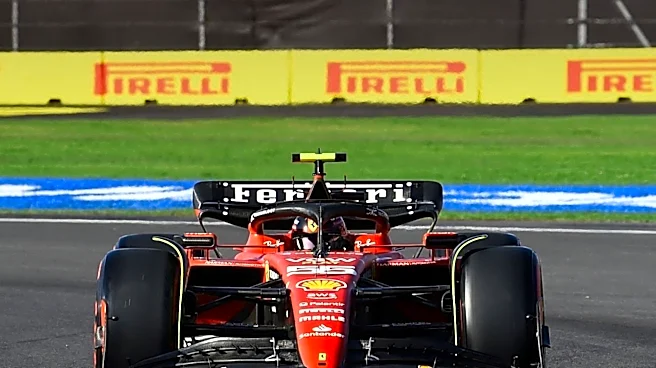
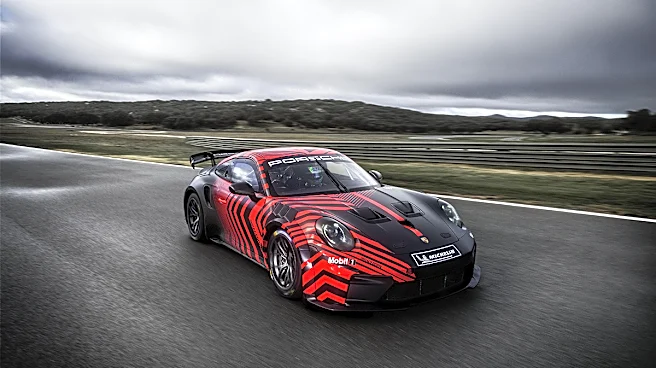
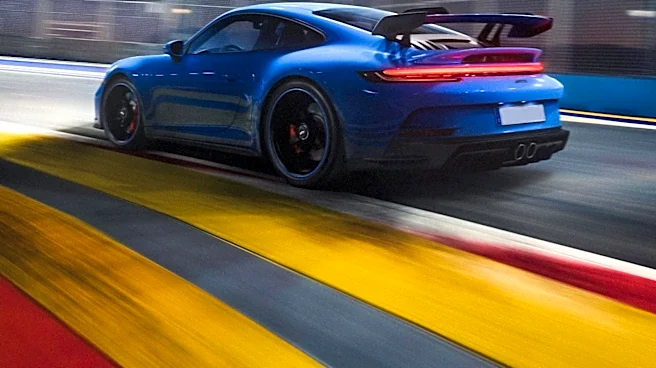
The evolution of technology has played a significant role in the development of hillclimbing vehicles. Modern vehicles benefit from advancements in aerodynamics, suspension systems, and electronic controls, allowing for greater precision and performance on the course. Aerodynamic enhancements, such as spoilers and diffusers, help maintain stability and control at high speeds.
Suspension systems are fine-tuned to handle the varying terrains and inclines of hillclimb courses, providing drivers with the necessary control and comfort. Electronic controls, including traction control and advanced braking systems, further enhance vehicle performance, allowing drivers to push the limits of speed and agility.
Hillclimbing's technical demands have driven innovation in vehicle design and safety, making it a fascinating motorsport for both participants and spectators. The combination of specialized modifications, safety measures, and technological advancements ensures that hillclimbing remains a challenging and exhilarating sport, showcasing the ingenuity and skill of drivers and engineers alike.