





While E. B. White's "Charlotte's Web" is primarily known for the friendship between Wilbur the pig and Charlotte the spider, the narrative is enriched by a vibrant cast of supporting characters. These individuals, both human and animal, contribute significantly to the plot, provide comic relief, and help shape the themes of the story. From the compassionate Fern to the cynical Templeton, each character plays a distinct role in Wilbur's journey from
impending doom to celebrated fame, adding depth and charm to the classic tale published in 1952.
The Arable Family and Their Connection to Wilbur
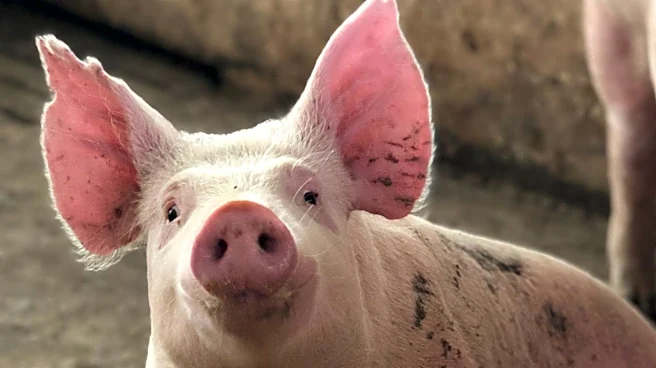
The story begins with the Arable family, whose actions set Wilbur's life in motion. John Arable is Wilbur's first owner, initially intending to slaughter the runt piglet. However, it is his daughter, Fern Arable, who becomes the pivotal human figure in Wilbur's early life. Fern pleads for the piglet's life and adopts him, naming him Wilbur and treating him as a beloved pet. Their bond is incredibly close, and Fern is uniquely portrayed as the only human character in the story capable of understanding animal conversation. Her ability to listen in on the animals' discussions, often to her mother's concern, provides a bridge between the human and animal worlds. As the story progresses, Fern matures, eventually spending time with her childhood sweetheart, Henry Fussy, at the county fair, signifying her own growth and changing interests. Avery Arable, Fern's elder brother and John's son, serves as a source of comic relief, often depicted with a rambunctious and somewhat mischievous nature.The Inhabitants of Zuckerman's Barn
When Wilbur is sold, he moves to the barn of Fern's uncle, Homer Zuckerman. Homer Zuckerman is a farmer who keeps Wilbur in his barn, and his decision-making regarding Wilbur's fate drives much of the plot. He has a wife named Edith and an assistant named Lurvy. Lurvy, the hired man at Zuckerman's farm, is notable as the first human to discover and read the miraculous messages Charlotte weaves into her web, playing a crucial role in initiating Wilbur's fame. The barn is also home to a variety of other animals with whom Wilbur converses, each contributing to the barnyard's dynamic. These include a disdainful lamb, a talkative goose who offers suggestions to Charlotte, and an intelligent "old sheep" who provides wisdom and sometimes blunt truths.Templeton the Rat and Other Key Figures
Among the most memorable supporting characters is Templeton, a gluttonous rat who lives under Wilbur's trough. Templeton is a self-serving and somewhat caustic character, helping Charlotte and Wilbur only when offered food or other personal gain. Despite his cynical nature, he proves instrumental in Charlotte's plan, finding words like "Radiant" and "Humble" for her to weave into her web. He serves as a significant source of comic relief, often complaining but ultimately contributing to the success of the plan to save Wilbur. Another notable character is Dr. Dorian, the family physician/psychologist consulted by Fern's mother. He is depicted as a wise old man character, offering calm and rational perspectives on Fern's unusual claims of understanding animals.At the county fair, Wilbur encounters Uncle, a large pig who becomes his rival in the competition. Charlotte disdains Uncle for his coarse manners, highlighting a contrast in character. Finally, Charlotte's children, the 514 offspring of Charlotte the spider, play a role in the story's conclusion. While most of them disperse by ballooning away from the barn, three—Joy, Aranea, and Nellie—choose to remain, providing Wilbur with new companionship and ensuring Charlotte's legacy lives on. These diverse characters, each with their unique personalities and contributions, collectively weave a rich tapestry that makes "Charlotte's Web" a timeless and engaging narrative.