






Black tie, a term now synonymous with semi-formal evening wear, has a rich and evolving history that traces its origins back to the 19th century. What began as an informal alternative to the more rigid dress coat has transformed over decades, adapting to changing social norms and fashion trends. Understanding its journey reveals how a simple garment became a cornerstone of Western dress codes, particularly in the United States and Britain.
British Origins and Early American Adoption
The story
of black tie begins in the 1860s in the United Kingdom, driven by a desire for more comfortable attire for outdoor activities among the middle and upper classes. The casual lounge suit emerged as a country alternative to the formal frock coat worn in town. Similarly, men sought an alternative to the formal evening tailcoat, then known as a "dress coat," which was worn every evening. This quest for a less formal evening option led to the development of what would become the dinner jacket.
Early references to a dress coat substitute in America appeared in the summer and fall of 1886. These varied between a waist-length mess-jacket style and the conventional suit jacket style. The most famous American reference comes from Tuxedo Park, an upstate New York enclave for Manhattan's wealthy citizens. In October 1886, Griswold Lorillard, a son of one of the community's founders, and his friends were widely reported for appearing at the club's first Autumn Ball wearing a "tailless dress coat." While it's unclear if this was a mess jacket or a conventional dinner jacket, it cemented the garment's association with Tuxedo Park in the public imagination. Initially, the jacket was worn by young mavericks at strictly formal gatherings, leading the American establishment to reject it. However, by 1888, polite society accepted its role as a summer and informal evening substitute, at which point it gained significant popularity.
Victorian and Edwardian Transformations
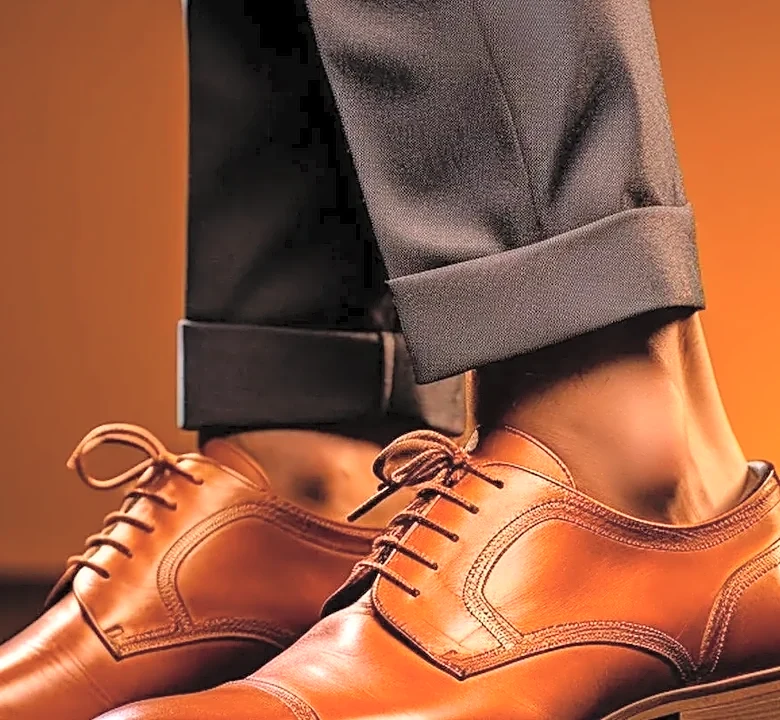
In the decades following its introduction in the Victorian era, the style became known as a dinner jacket. It served as a fashionable, formal alternative to the tailcoat, which upper-class men wore nightly. At this time, it was worn with the standard accompaniments for the evening tailcoat: matching trousers, a white or black waistcoat, a white bow tie, a white detachable wing-collar formal shirt, and black formal shoes. Lapels were often faced or edged in silk or satin of varying widths. Etiquette guides of the time considered the dinner jacket inappropriate for wear in mixed company, meaning with ladies, in comparison to a full dress like a cutaway tailcoat.
During the Edwardian era, the practice of wearing a black waistcoat and black bow tie with a dinner jacket became the established convention. This period laid the groundwork for the modern black tie and white tie dress codes. The dinner jacket also gained increasing acceptance at less formal evening occasions, such as warm-weather gatherings or intimate dinners with friends. Other accounts from around 1885 describe the Prince of Wales experimenting with "a garment of many colors" and "short garments coming down to the waist and made on the model of the military men's jackets." The suit jacket with tailcoat finishes, as it is most commonly known, was first described around the same time and often associated with Cowes, a seaside resort in southern England and a center of British yachting closely linked to the Prince. It was originally intended for warm-weather use but soon spread to informal or stag winter occasions. As it was simply an evening tailcoat substitute, it was worn with all the same accoutrements as the tailcoat, including the trousers. In these early days, black tie, in contrast to formal white tie, was considered informal wear.
20th Century Changes and Modern Interpretations
After World War I, the dinner jacket became firmly established as semi-formal evening wear, while the evening tailcoat was reserved for the most formal or ceremonial occasions. During the interwar period, double-breasted jackets, turndown-collar shirts, and cummerbunds gained popularity for black tie evenings, and white jackets were experimented with in hot weather. Since then, black tie has often been referred to as semi-formal.
In the decades following World War II, black tie transitioned from standard evening wear to attire for special occasions. The 1950s saw experimentation with colored and patterned jackets, cummerbunds, and bow ties. The 1960s and 1970s pushed the color palette from muted tones to bright day-glow and pastel, alongside ruffled-placket shirts and wider lapels. The 1980s and 1990s marked a return to traditional styles, with black jackets and trousers becoming nearly universal again. The early 21st century has seen increased variation and a relaxation of previous strict standards; midnight blue has once again become popular, and lapel facings are sometimes reduced to wide edging. These changes highlight black tie's continuous adaptation while retaining its core identity as a distinguished dress code.