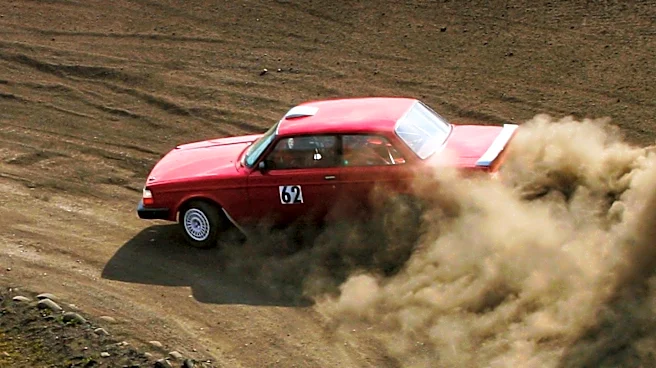








Dirt track racing is a staple of American motorsport, with a rich history that dates back to the late 19th century. This form of racing, characterized by its clay or dirt oval tracks, has evolved significantly over the years, becoming the most common type of auto racing in the United States. From its humble beginnings to its widespread popularity today, dirt track racing has undergone numerous changes, influenced by technological advancements and
cultural shifts.
Early Beginnings and Initial Races
Dirt track racing began in the United States before World War I, with the first recorded race taking place in 1876 in Cranston, Rhode Island. This inaugural event featured eight vehicles, most of which were gasoline-powered, although the winner, Whiting, drove an electric vehicle. Initially, races were held on horse racing ovals, and the sport remained relatively obscure until the 1920s and 1930s.
During this period, dirt track racing gained traction, with more organized events and the establishment of the International Motor Contest Association (IMCA) in 1915. The IMCA played a crucial role in promoting the sport, offering a competitive environment and sanctioning various car classes. This organization helped bring dirt track racing into the mainstream, attracting more participants and spectators.
Growth and Popularity in the 20th Century
The 1920s and 1930s marked a significant turning point for dirt track racing, as it became more popular across the United States. The sport's growth was fueled by the increasing number of local and regional racetracks, which provided venues for races and attracted fans from different communities. By the mid-20th century, dirt track racing had firmly established itself as a key component of American motorsport culture.
The composition of the dirt on tracks, often mixed with clay, played a vital role in the racing experience, affecting grip and speed. Tracks varied in length, typically around half a mile, and featured banked turns to allow vehicles to maintain higher speeds through corners. This unique setup contributed to the excitement and challenge of dirt track racing.
Modern Developments and Continued Popularity
Today, dirt track racing remains a popular motorsport in the United States, with over 700 dirt oval tracks in operation. The IMCA continues to sanction races, ensuring safety and competitiveness across various car classes. The sport has also seen technological advancements, with modern race cars featuring sophisticated designs and powerful engines.
Dirt track racing's enduring appeal lies in its grassroots nature, with many fans attending races to support relatives and local drivers. The sport's economic impact is notable, as small businesses often sponsor local races as part of their marketing strategies. Despite changes over the years, dirt track racing continues to captivate audiences, maintaining its status as a beloved American tradition.