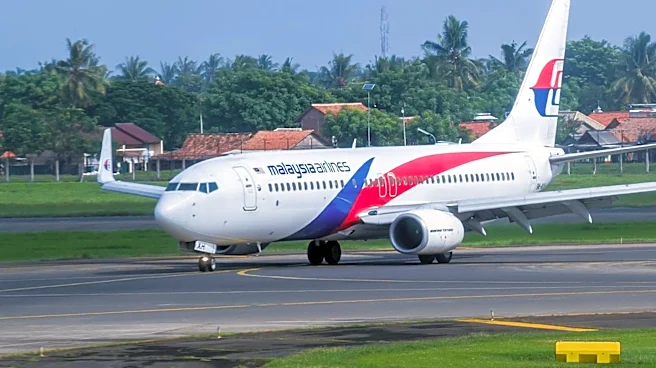








The downing of Malaysia Airlines Flight 17 on July 17, 2014, sent shockwaves around the world. The tragic loss of 298 lives, including citizens from various countries, prompted a global outcry and a call for justice. The incident not only affected the families of the victims but also had significant geopolitical and aviation safety implications.
International Reactions
The international community reacted swiftly to the tragedy, with many countries expressing their condolences
and demanding a thorough investigation. Ukrainian President Petro Poroshenko immediately condemned the act as terrorism, while other nations echoed the call for accountability.
The Dutch Safety Board took the lead in investigating the incident, given that the majority of the passengers were Dutch nationals. The investigation faced numerous challenges due to the ongoing conflict in the region, but it eventually concluded that a Russian-made BUK missile was responsible for the downing of the aircraft.
Geopolitical Implications
The downing of MH17 intensified the already strained relations between Russia and Western countries. The evidence pointing to a Russian-made missile and the involvement of pro-Russian separatists in Ukraine led to increased tensions and further sanctions against Russia.
Countries like Australia, which lost 27 citizens in the crash, were particularly vocal in their condemnation. Australian Prime Minister Tony Abbott criticized the recovery efforts and called for Russia to take responsibility. The incident highlighted the complex geopolitical dynamics in the region and the broader implications of the conflict in Ukraine.
Aviation Safety Concerns
The tragedy of MH17 also brought to light significant concerns about aviation safety, particularly regarding flights over conflict zones. At the time of the incident, the airspace over eastern Ukraine was not closed to commercial flights, despite the ongoing conflict. This oversight led to increased scrutiny of how airspace is managed in conflict areas.
In the aftermath of the incident, airlines and aviation authorities around the world reevaluated their flight paths and safety protocols. The tragedy served as a stark reminder of the risks associated with flying over war zones and the need for better coordination and communication among international aviation bodies.
The downing of Malaysia Airlines Flight 17 remains a poignant example of how geopolitical conflicts can have devastating consequences for innocent civilians. It underscores the importance of international cooperation in ensuring the safety and security of air travel worldwide.