






Benchmarking, in the realm of education, is a strategic process that involves comparing one's own results and processes against those of successful entities. The goal is to understand how well these high-performing organizations achieve their success and to identify the underlying processes that contribute to it. The term "benchmark" itself often signifies the highest standards attained in various fields, including education or service quality. This
practice allows educational systems to learn from leading examples, fostering continuous improvement and the adoption of effective strategies. It moves beyond simple comparison to a deeper analysis of what drives superior performance.
Defining Benchmarking in an Educational Context
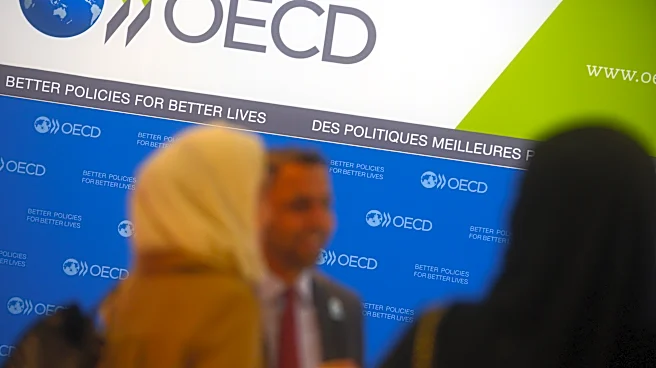
At its core, educational benchmarking is about identifying "best practices" and measuring performance against them. This can involve looking at specific outcomes, such as student test scores, or examining the methods and policies that lead to those outcomes. For instance, a school or university might be cited as setting the benchmark for education, indicating that its standards and achievements are considered exemplary. This concept is not limited to internal comparisons; it frequently extends to international comparisons, where educational systems look beyond their borders to understand global standards of excellence.One prominent example of international benchmarking in education is the Programme for International Student Assessment (PISA). Conducted by the Organisation for Economic Co-operation and Development (OECD), PISA evaluates the scholastic performance of 15-year-old students in mathematics, science, and reading across numerous countries. By providing comparable data, PISA enables participating nations to benchmark their educational systems against others worldwide. This allows countries to gauge their standing, identify areas for improvement, and learn from the policies and practices of top-performing nations.
The Role of PISA as an Educational Benchmark
PISA serves as a critical international benchmark by offering a standardized measure of student performance. First performed in 2000 and repeated every three years, it provides a consistent framework for evaluating educational systems over time and across different national contexts. The results, such as those released in December 2023 for the 2022 data collection, highlight how well 15-year-olds are prepared for real-life challenges, focusing on problem-solving and cognition rather than just curriculum mastery. This broad approach makes PISA a valuable tool for understanding the effectiveness of different educational approaches.Through PISA, countries can identify educational systems that consistently achieve high results and then investigate the policies and pedagogical methods that contribute to that success. This process of learning from others is central to benchmarking. For example, if a country consistently ranks high in science, other nations might examine its science curriculum, teacher training, or educational funding models. The aim is not simply to copy but to adapt successful strategies to one's own context, ultimately leading to improved educational outcomes. Thus, benchmarking, particularly through large-scale studies like PISA, becomes a dynamic process for global educational advancement.