


The American Wirehair is a distinctive breed of domestic cat, primarily recognized for its unique wiry fur and crinkly whiskers. This characteristic coat is the result of a specific genetic mutation that first appeared in upstate New York. While sharing similarities with the American Shorthair in many aspects, the Wirehair's springy, wiry coat sets it apart. This particular coat type is not only visually striking but also influences the breed's care
requirements and overall appearance, making it a fascinating subject for cat enthusiasts and breeders alike.
The Signature Wiry Coat
The most defining feature of the American Wirehair is undoubtedly its coat. Unlike the smooth fur of many other cat breeds, the Wirehair possesses a springy, wiry texture that extends even to the fur within its ears and its whiskers. This unique texture is caused by a dominant genetic mutation, which was found to be different from the Rex mutation responsible for the curly coats of breeds like the Cornish Rex or Devon Rex. The wirehair mutation creates a coat that is reminiscent of the wire coats found in some dog breeds, such as terriers.
Despite its unusual texture, the American Wirehair's fur is relatively low maintenance, requiring little grooming. However, it is noted that lighter-colored Wirehairs may require sunblock, suggesting a potential sensitivity to sun exposure due to their coat type or skin pigmentation. This detail highlights a practical consideration for owners of these unique felines, ensuring their well-being and comfort.
Physical Build and Appearance
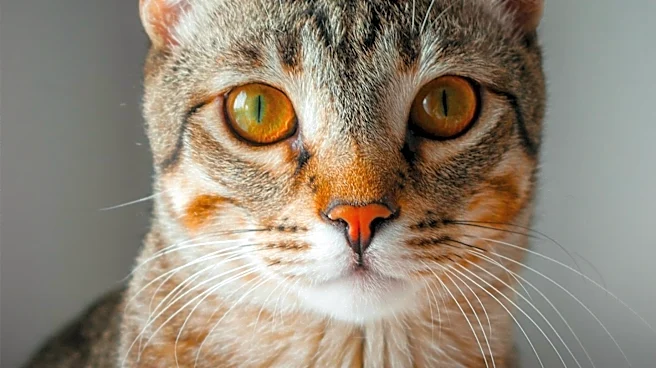
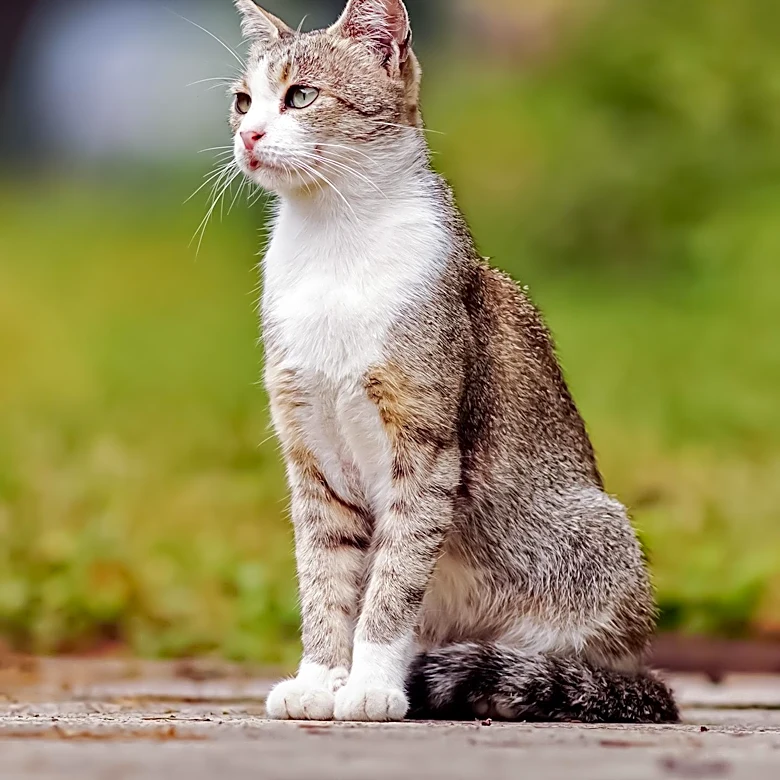
Beyond its distinctive coat, the American Wirehair possesses a moderate and sturdy build, contributing to its robust appearance. These cats typically have round heads, which are a characteristic feature of the breed. High cheekbones further define their facial structure, giving them a somewhat pronounced and elegant look. A noticeable muzzle also contributes to their overall head shape, completing the picture of a well-proportioned feline.
There is a noticeable size difference between the sexes, with females generally being smaller than males. This is a common trait across many cat breeds and contributes to the natural diversity within the American Wirehair population. The breed displays a full spectrum of possible cat coat colors, offering a wide variety of appearances. However, for competition purposes, certain colors such as Himalayan, Chocolate, and Lilac are not accepted. When American Wirehairs are evaluated for quality, a significant emphasis, 45 out of 100 points, is placed on the quality of their coat, underscoring its paramount importance to the breed standard.