









Pendant lights have become a staple in modern interior design, offering both functional and aesthetic benefits. These versatile fixtures hang from the ceiling, providing focused lighting that can enhance the ambiance of any room. This article explores the design, functionality, and applications of pendant lights, highlighting their role in contemporary spaces.
Design and Materials of Pendant Lights
Pendant lights are characterized by their single light source, which hangs from the ceiling
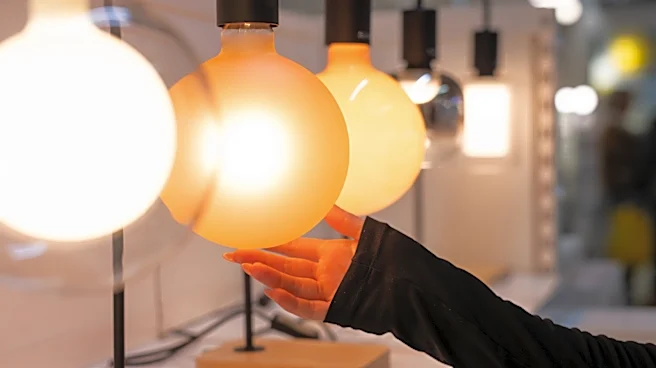
by a cord, chain, or metal rod. Unlike chandeliers, which often feature multiple light sources, pendant lights are typically used in multiples to create a cohesive lighting scheme. They come in a wide variety of sizes and materials, ranging from metal and glass to concrete and plastic.
The design of pendant lights can vary greatly, from sleek and minimalist to ornate and decorative. This diversity allows them to complement a wide range of interior styles, from modern and industrial to traditional and eclectic. Contemporary designs often incorporate energy-efficient technologies, such as low-voltage LEDs, halogen lamps, or fluorescent bulbs, making them an environmentally friendly choice for homeowners.
Functional Applications in Interior Design
Pendant lights are a popular choice for various applications in interior design, thanks to their versatility and ability to provide targeted illumination. They are commonly installed in rows over kitchen countertops, dining areas, and bathroom vanities, where focused lighting is essential for tasks and activities.
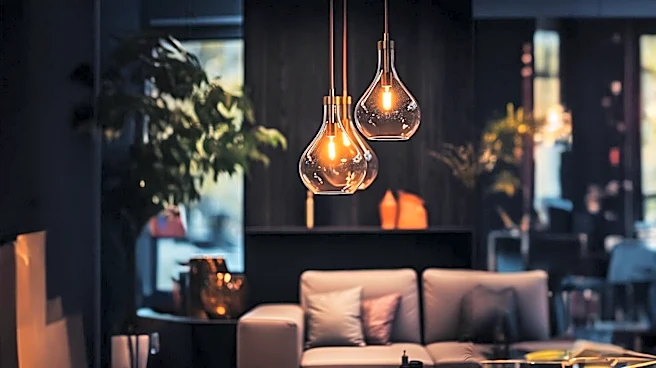
In addition to their practical uses, pendant lights can also serve as statement pieces, adding visual interest and character to a space. For example, a large, eye-catching pendant light can become a focal point in a dining room or living area, drawing attention and enhancing the overall design aesthetic.
The Role of Pendant Lights in Modern Spaces
In modern interior design, pendant lights are considered an important element of architectural lighting design. They play a crucial role in creating layered lighting schemes, which combine ambient, task, and accent lighting to achieve a balanced and functional environment.
Pendant lights are also valued for their ability to define and delineate spaces within open-plan layouts. By strategically placing pendant lights over specific areas, such as a kitchen island or dining table, designers can create distinct zones that enhance the flow and functionality of a space.
Overall, pendant lights offer a versatile and stylish solution for modern lighting needs. Their ability to blend form and function makes them a popular choice for homeowners and designers alike, ensuring their continued presence in contemporary interiors.