



Adaptive cruise control (ACC) is a sophisticated driver-assistance system that automatically adjusts vehicle speed to maintain a safe distance from the car ahead. This technology relies on various sensors and systems to function effectively. In this article, we will delve into the different types of ACC systems and the technologies that underpin them.
Radar-Based Systems
Radar-based adaptive cruise control systems are among the most prevalent in the automotive industry.
These systems use radio waves emitted at frequencies of either 24 GHz or 77 GHz to measure the distance and speed of vehicles ahead. The radar signals are emitted and received by the vehicle, allowing it to compute the distance to the car in front accurately.
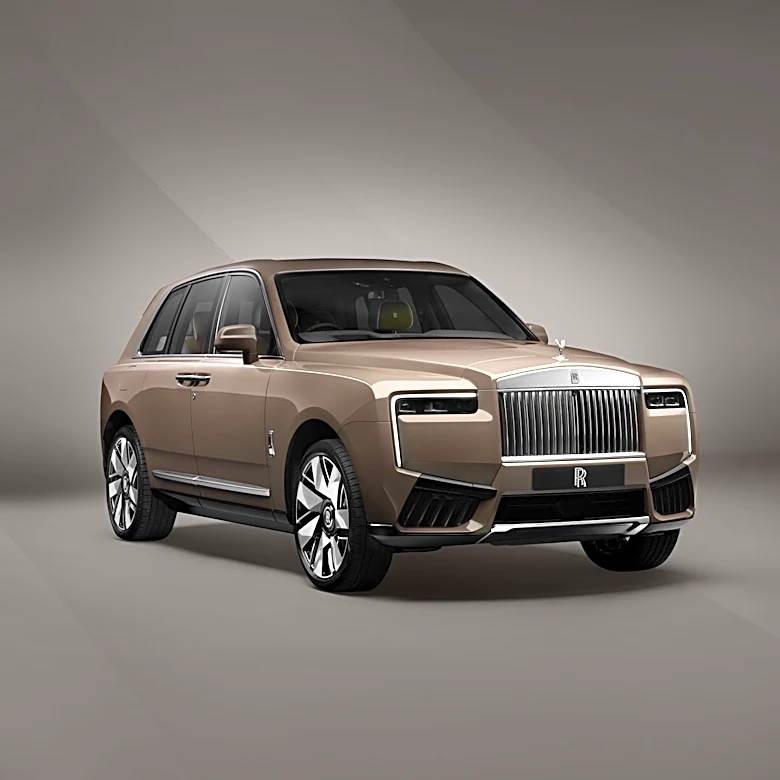
One of the advantages of radar-based systems is their ability to provide a wide field of view while maintaining precise measurements over long distances, typically up to 160 meters. This makes them highly effective in various driving conditions, including adverse weather. Radar sensors are often discreetly integrated into the vehicle's design, such as behind plastic fascias or within the grille.
Lidar and Camera-Based Systems
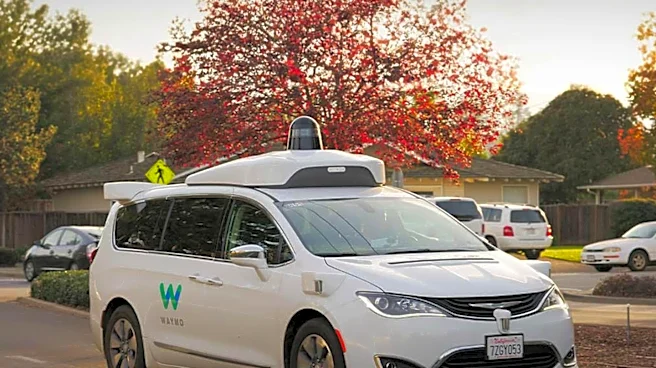
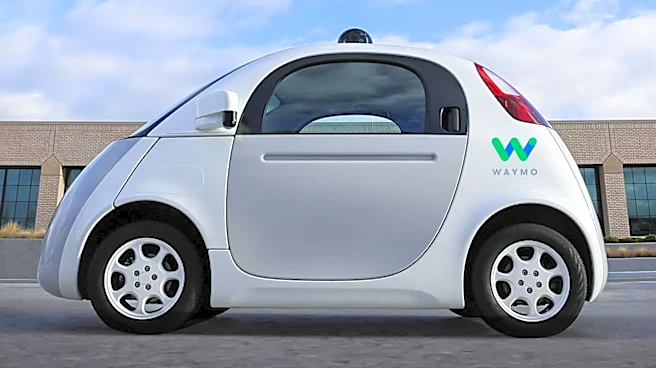
Lidar-based systems use light detection and ranging technology to offer the largest detection distance and highest accuracy among ACC systems. However, they are less reliable in adverse weather conditions, as fog or water particles can interfere with the laser signals. Lidar sensors are typically exposed and located in the lower grille of the vehicle.
Camera-based ACC systems utilize forward-facing cameras to detect and track vehicles using computer vision. These systems infer distance and speed from image cues, such as object size and motion across frames. Some implementations use stereo cameras to estimate depth, providing additional visual context for object classification.
Multi-Sensor and Predictive Systems
To enhance performance across varying conditions, some ACC systems combine multiple sensor types, such as radar and cameras. This multi-sensor approach allows for robust range and speed measurements while providing visual context for scene interpretation. Predictive adaptive cruise control (PACC) builds on conventional ACC by incorporating navigation and map data to anticipate roadway features, adjusting speed proactively.
PACC systems use GPS location data, digital maps, and traffic sign recognition to modify vehicle speed in anticipation of upcoming conditions. This proactive approach improves safety and comfort by reducing speed before reaching lower speed zones or approaching curves, rather than reacting after the change occurs.
Adaptive cruise control systems continue to evolve, integrating advanced technologies to enhance their functionality and reliability. As these systems become more sophisticated, they are expected to play a crucial role in the development of autonomous driving technologies, offering improved safety and convenience for drivers.