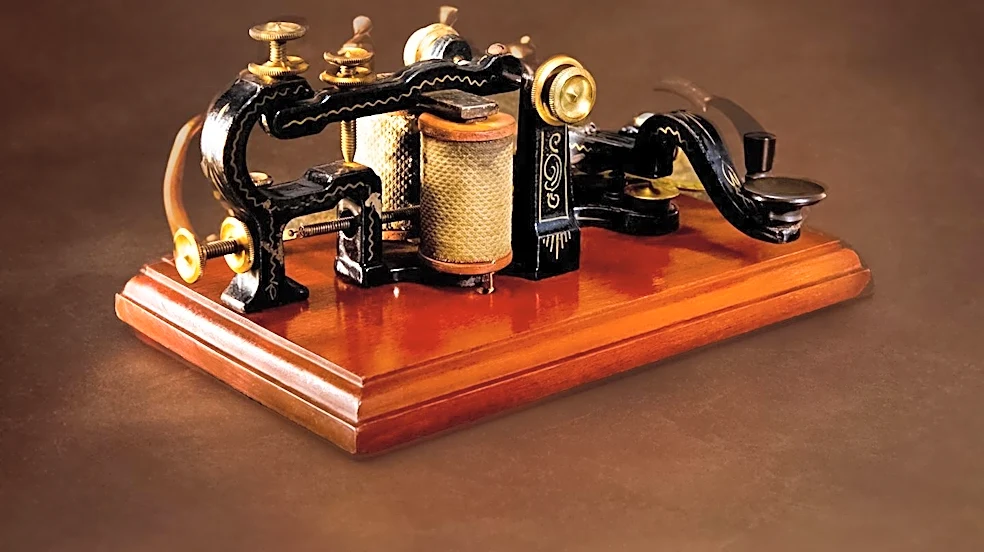








The completion of the first transcontinental telegraph on October 24, 1861, marked a pivotal moment in American communication history. This ambitious project linked the established telegraph network in the eastern United States with a smaller network in California, creating a near-instantaneous communication bridge across the vast North American continent. Before this achievement, news of significant events, such as the death of President William
Henry Harrison in 1841, could take as long as 110 days to reach Los Angeles. The telegraph drastically reduced this time, allowing messages to travel from coast to coast in mere hours.
The Vision and the Builders
The monumental task of constructing the first transcontinental telegraph was primarily undertaken by Western Union. This company had been formed in 1856 through the merger of various telegraph companies operating east of the Mississippi River, a consolidation orchestrated by figures like Hiram Sibley, Jeptha Wade, and Ezra Cornell. The project received a significant boost with the passing of the Telegraph Act by Congress in 1860. This act authorized the government to solicit bids for the construction of a telegraph line between Missouri and California and also laid out regulations for the service it would provide.
Initially, several competitors, including Theodore Adams, Benjamin Ficklin, and John Harmon, expressed interest in the project. However, they all withdrew their bids at the last minute, leaving Hiram Sibley as the sole bidder. These former competitors later joined Sibley in his endeavor, contributing to the unified effort to build the transcontinental line. The construction involved connecting Omaha, Nebraska, and Carson City, Nevada, through Salt Lake City, Utah, effectively bridging the communication gap across the nation.
Immediate Impact and Financial Success
The financial success of the first transcontinental telegraph was evident from its very beginning. During its first week of operation, the charge for sending a message was US$1 per word, a rate significantly higher than the 30 cents specified in the Telegraph Act of 1860. This high initial pricing reflected the immense value placed on rapid communication across the continent.
One of the most immediate and dramatic impacts of the telegraph's completion was the obsolescence of the Pony Express. This famed mail service, which had provided a relatively fast means of communication across the West, officially ceased operations just two days after the telegraph line was completed. The telegraph's ability to transmit messages in hours, rather than the weeks it took the Pony Express, rendered the older system impractical and unnecessary.
Operational Challenges and Evolution
Despite its initial success, keeping the transcontinental telegraph in operation presented numerous challenges. The line was vulnerable to inclement weather, with lightning bolts, strong winds, and heavy snow frequently damaging both the poles and the wires. Bison also contributed to operational difficulties, occasionally rubbing against the poles and bringing down sections of the telegraph line, a factor that eventually contributed to their own decline.
Furthermore, the telegraph line faced threats from human conflict. During the American Civil War, the system had to be rerouted through Chicago to circumvent Confederate attempts to cut the line in Missouri, which aimed to disrupt communications among Union forces. Farther west, Native Americans also began to target the lines as part of their hostilities with the Army. The overland telegraph line continued to operate until 1869, when it was eventually replaced by a multi-line telegraph system that was constructed alongside the route of the first transcontinental railroad, marking a further evolution in national communication infrastructure.