



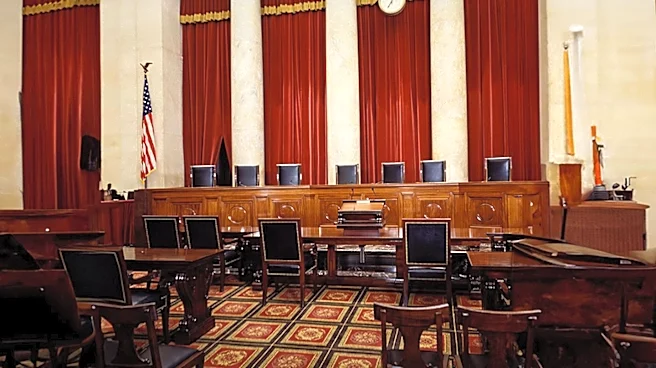


The American Civil Liberties Union (ACLU) played a crucial role in the landmark case of Bowers v. Hardwick, which challenged the constitutionality of Georgia's sodomy law. The ACLU's involvement in the case was part of a broader strategy to combat discriminatory laws and advance civil liberties, particularly for LGBTQ+ individuals.
Identifying the Test Case
The ACLU had long been searching for a suitable test case to challenge anti-sodomy laws, which they viewed as unconstitutional
infringements on individual privacy and autonomy. Michael Hardwick's situation presented the perfect opportunity. After being arrested for engaging in consensual oral sex in his own home, Hardwick faced potential prosecution under Georgia's sodomy law, which did not distinguish between homosexual and heterosexual acts.
Recognizing the potential impact of the case, the ACLU approached Hardwick and offered to represent him in challenging the law. Hardwick agreed, and the ACLU's legal team, led by attorney Kathleen Wilde, began preparing the case. The ACLU's involvement was instrumental in bringing the case to the federal courts and ultimately to the Supreme Court.
Legal Strategy and Arguments
The ACLU's legal strategy in Bowers v. Hardwick focused on the constitutional right to privacy, which they argued was implicit in the Due Process Clause of the Fourteenth Amendment. The ACLU contended that the Georgia sodomy law violated this right by criminalizing private, consensual sexual conduct between adults.
In the lower federal courts, the ACLU successfully argued that the sodomy statute was an infringement on Hardwick's constitutional rights. The United States Court of Appeals for the Eleventh Circuit reversed the lower court's dismissal of the case, setting the stage for a Supreme Court review.
Impact and Legacy
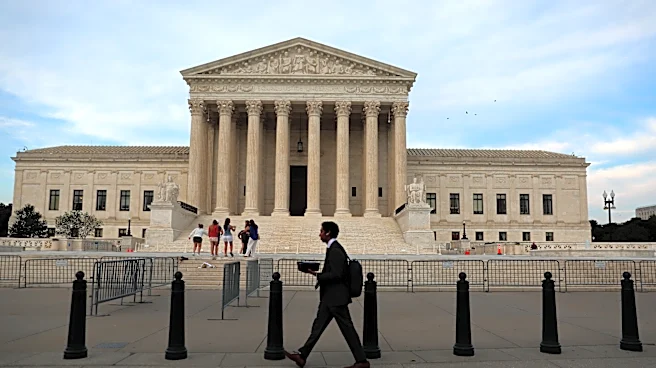
Although the Supreme Court ultimately upheld the sodomy law in a 5-4 decision, the ACLU's involvement in Bowers v. Hardwick had a lasting impact on the fight for LGBTQ+ rights. The case brought national attention to the issue of sodomy laws and highlighted the need for legal reform.
The ACLU continued to advocate for LGBTQ+ rights in the years following the decision, contributing to the eventual overturning of Bowers by Lawrence v. Texas in 2003. This later ruling recognized the constitutional right to privacy in consensual adult relationships and invalidated sodomy laws nationwide.
The ACLU's role in Bowers v. Hardwick exemplifies its commitment to defending civil liberties and challenging laws that infringe on individual rights. The case remains a significant chapter in the history of the ACLU's advocacy for LGBTQ+ equality.