










The Goethals Bridge, connecting Elizabeth, New Jersey, to Staten Island, New York, underwent a significant transformation with the construction of a new cable-stayed bridge in 2017. This modern engineering marvel replaced the original 1928 cantilever bridge, addressing the growing transportation needs of the region. The new Goethals Bridge is not only a vital transportation link but also a showcase of contemporary bridge design and technology.
Design and Construction
The
new Goethals Bridge was designed as a dual-span cable-stayed bridge, a choice that reflects modern engineering practices and aesthetic considerations. The bridge features two main spans, each supported by towers that rise 272 feet above the water. The design was carefully planned to accommodate the flight patterns of aircraft from nearby Newark Liberty International Airport, ensuring that the towers did not exceed height restrictions.
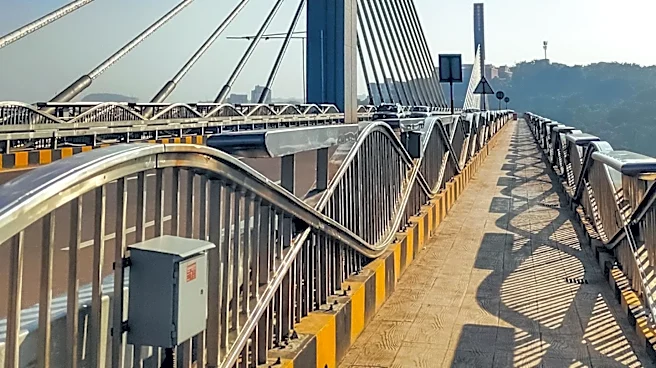
The construction of the new bridge began in 2014, with the eastbound span opening to traffic in June 2017. The westbound span followed in May 2018, completing the project. The bridge's design includes six lanes of traffic, with three lanes in each direction, providing ample capacity for the region's transportation demands. Additionally, the bridge features a 10-foot-wide walkway for pedestrians and cyclists, promoting alternative modes of transportation.
Technological Innovations
The new Goethals Bridge incorporates several technological innovations that enhance its functionality and safety. One of the key features is the use of high-speed E-ZPass lanes, which allow for efficient toll collection and reduce congestion at the bridge's approaches. The bridge also includes space for potential mass-transit services, ensuring that it can adapt to future transportation needs.
The construction process itself was a feat of modern engineering. The bridge was built using prefabricated segments, which were assembled on-site to minimize disruption to existing traffic. This method allowed for a faster construction timeline and reduced the environmental impact of the project. The bridge's design also includes measures to prevent ice from falling onto the roadway during winter months, enhancing safety for motorists.
A Landmark for the Future
The completion of the new Goethals Bridge represents a significant investment in the region's infrastructure, with a total cost of approximately $1.5 billion. The project has been recognized with several awards for its engineering excellence and safety features, highlighting its importance as a modern transportation link.
As a vital connection between New Jersey and New York, the Goethals Bridge continues to play a crucial role in the region's transportation network. Its modern design and technological innovations ensure that it will serve the needs of commuters and travelers for many years to come.