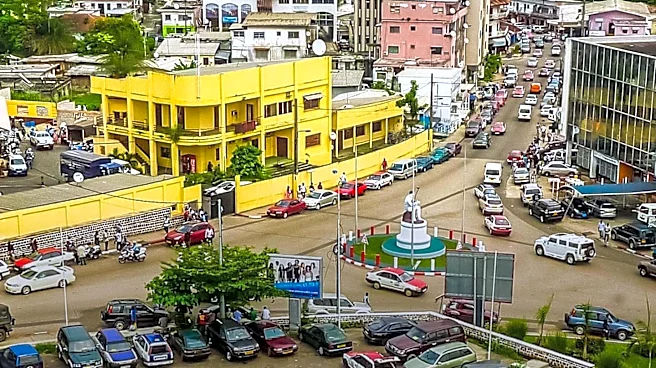




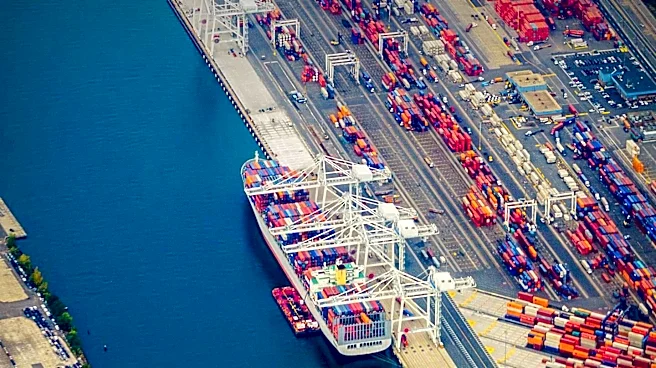


Accra, the capital city of Ghana, is not only the administrative heart of the country but also a bustling economic hub. Situated on the Gulf of Guinea, Accra plays a pivotal role in the nation's economy, serving as a center for manufacturing, marketing, finance, insurance, and transportation. This article delves into the economic landscape of Accra, highlighting its financial sector, infrastructure, and the challenges it faces.
Financial Sector and Infrastructure
Accra's financial sector
is robust and diverse, featuring a central bank, nine commercial banks with 81 branches, and four development banks with 19 branches. Additionally, the city hosts four merchant banks, three discount houses, and a home finance mortgage bank. The presence of the Ghana Stock Exchange, foreign exchange bureaus, and various finance houses further underscores Accra's economic significance. The city is also home to insurance companies, brokerage firms, savings and loans companies, and real estate developers, all contributing to its vibrant economic environment.
The infrastructure in Accra supports its economic activities, with a road network totaling 1,117 kilometers in length. This extensive network facilitates the movement of goods and people, essential for the city's economic operations. Industrial sites and residential developments are strategically located to support the growing population and economic demands.
Employment and Economic Challenges
The tertiary service sector is the largest employer in Accra, engaging about 531,670 people. This sector includes supermarkets, shopping malls, hotels, restaurants, transportation, storage, communication, financial intermediation, real estate services, public administration, education, health, and other social services. The secondary sector, which encompasses manufacturing, electricity, gas, water, and construction, employs around 183,934 people, making it the second-largest sector in terms of employment.
Despite its economic vibrancy, Accra faces challenges, including a reported unemployment rate of 12.2%, affecting approximately 114,198 people. The city must address these challenges to maintain its economic growth and improve the quality of life for its residents.
Future Prospects and Development
Accra's economy is poised for growth, with ongoing developments in various sectors. The city's strategic location on the Gulf of Guinea positions it as a gateway for trade and investment in West Africa. Efforts to improve infrastructure, such as expanding the road network and enhancing public services, are crucial for sustaining economic growth.
Moreover, the city's financial sector continues to evolve, with new opportunities emerging in real estate, insurance, and finance. As Accra continues to develop, it must balance economic growth with environmental sustainability and social equity to ensure a prosperous future for all its residents.