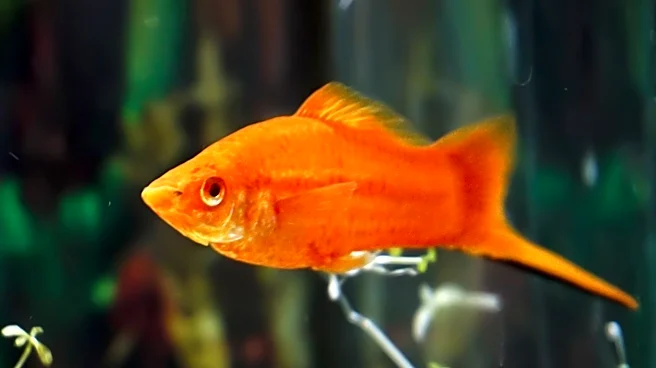

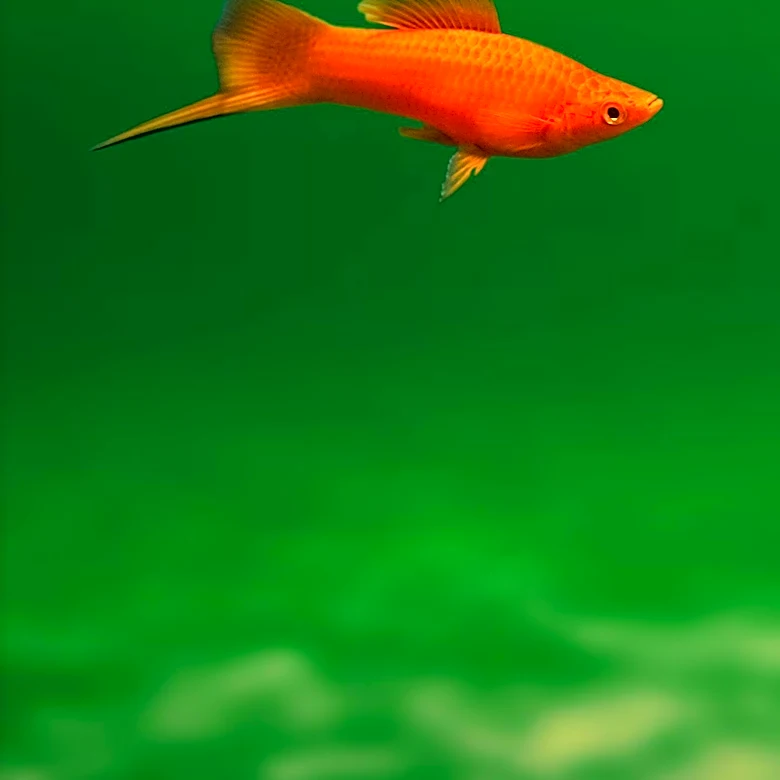


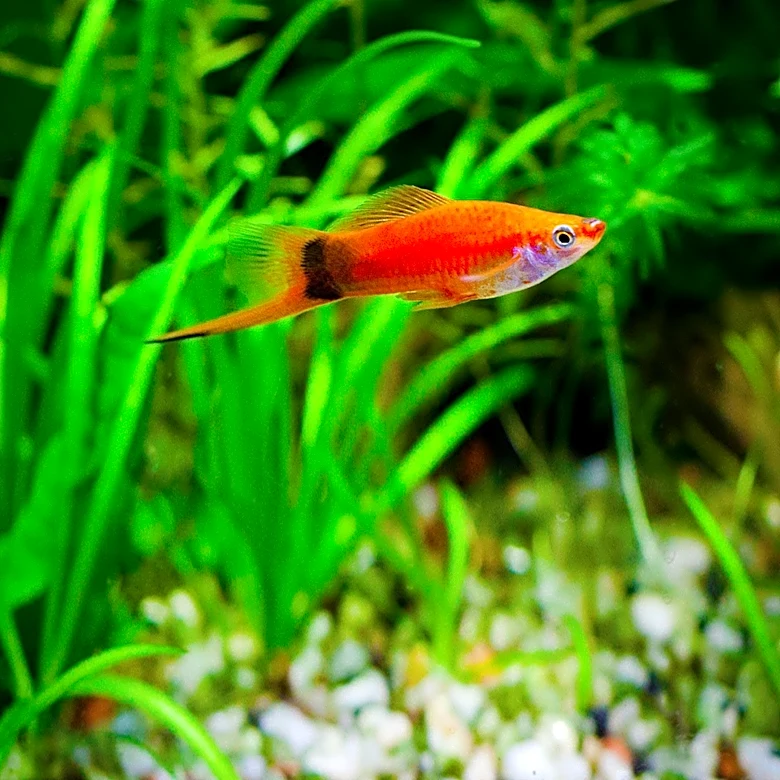



The platy fish, a small and active livebearer originating from Central America, has become one of the most popular choices for freshwater aquariums. Known for their vibrant colors and relatively peaceful nature, platies are well-suited for community tanks. However, successful platy keeping requires an understanding of their social dynamics, environmental preferences, and dietary needs. Providing the right conditions ensures these engaging fish thrive
and display their full spectrum of behaviors and colors.
Creating an Ideal Habitat
Platies are adaptable fish, but they flourish in aquariums that mimic their natural environment. They prefer plant-rich, still or slow-moving waters, often found near shorelines in dense vegetation. Therefore, a well-planted aquarium with plenty of hiding spots is ideal. They tend to inhabit the middle and upper water levels and will retreat into plants when they feel threatened. While they are not strict schooling fish, platies are social and should not be kept alone; a group allows them to exhibit more natural behaviors.
Water parameters are important for platy health. They generally prefer temperatures between 64°F and 77°F (18°C and 25°C) and a slightly alkaline pH ranging from 7.0 to 8.5. A moderately high water hardness, between 10 and 25 °d GH, is also beneficial. Maintaining stable water conditions and providing a clean environment are crucial for preventing stress and disease in these fish. Regular water changes and appropriate filtration are essential components of their care.
Social Dynamics and Compatibility
Platies are generally peaceful and curious, making them excellent additions to most community aquariums. They spend much of their time actively searching for food. However, their social structure involves dominance and submission, which can manifest in chasing and aggressive interactions, particularly among males. To mitigate potential stress and aggression, especially towards females, it is widely recommended to maintain a ratio of at least two to three females for every male. This helps distribute the males' constant courtship attempts and reduces the burden on any single female.
Keeping only two males together is often discouraged, as one may become a constant target for the other. Instead, either a single male with multiple females or a larger group of both sexes is preferable. While some scientific studies suggest that a male-heavy ratio might lead to increased male rivalry and thus less harassment of females, the common practice in aquaristics leans towards a female surplus. Aggressive interactions between females can also occur, similar in intensity to those among males, highlighting the importance of adequate space and hiding places for all individuals in the tank.
Diet and Feeding
Platies are omnivores with a notable preference for plant-based foods and algae. In their natural habitat, their diet includes algae, living or dead plant parts, insects, small crustaceans like water fleas and brine shrimp, and other small organisms. In an aquarium setting, a varied diet is key to their health. This should include high-quality vegetable flakes or pellets, supplemented with blanched vegetables such as squash, cooked green peas, or spinach. They also enjoy grazing on green algae that grows on plants and tank surfaces. Providing a diet rich in vegetable matter is crucial for their well-being and helps prevent digestive issues.