





Dandruff is a common skin condition affecting the scalp, characterized by noticeable flaking and sometimes mild itchiness. While it is a physical ailment, its visible symptoms can extend beyond discomfort, potentially leading to social or self-esteem challenges for individuals. It's crucial to understand that dandruff is not a sign of poor hygiene, but rather a manifestation of an accelerated skin cell turnover on the scalp. This condition is closely
related to, and can be a milder form of, seborrhoeic dermatitis, which involves inflammation of the skin.
Recognizing the Symptoms and Understanding Its Nature
The primary symptoms of dandruff include heavy flaking of the scalp and, in some cases, mild itchiness. These flakes are essentially dead skin cells that are shed at an unusually rapid rate. Normally, skin cells are replaced over approximately a month, but in individuals with dandruff, this process can occur in as little as two to seven days. This accelerated turnover results in larger, more visible clumps of dead skin cells appearing as white or grayish flakes on the scalp, hair, and clothing.Dandruff is a medical condition, also known by the names Pityriasis capitis or Pityriasis sicca. Its onset typically occurs around puberty and can become less common after the age of 50. It affects a significant portion of the adult population, with prevalence rates ranging from 17% to 50%. While the exact cause is not fully understood, it is believed to involve a combination of genetic and environmental factors, and the condition may worsen during colder months. Diagnosis is primarily based on the observable symptoms.
The Link to Seborrhoeic Dermatitis and Differential Diagnosis
A more severe form of dandruff, which includes inflammation of the skin, is known as seborrhoeic dermatitis. In fact, mild seborrhoeic dermatitis of the scalp is often described in lay terms as dandruff due to the dry, flaky character of the skin. However, it's important to note that not all dandruff is seborrhoeic dermatitis, as dandruff can refer to any dryness or scaling of the scalp. Seborrhoeic dermatitis is a long-term skin disorder characterized by flaky, scaly, greasy, and occasionally itchy and inflamed skin, often affecting areas rich in oil-producing glands like the scalp, face, and chest.When diagnosing dandruff, healthcare professionals may also consider other conditions that present with similar symptoms. These differential diagnoses include psoriasis, other forms of dermatitis, and tinea capitis (ringworm of the scalp). Distinguishing between these conditions is important for effective management. For instance, in infants, a form of seborrhoeic dermatitis primarily involving the scalp is known as cradle cap.
Treatment Approaches and Management Strategies
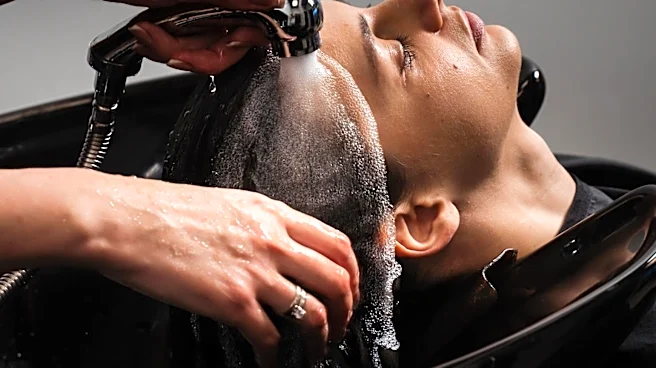
While there is no known cure for dandruff, various treatments are available to manage the condition and alleviate symptoms. These often involve medicated shampoos containing specific active ingredients. Common medications used include pyrithione zinc, salicylic acid, coal tar, selenium disulfide, and ketoconazole. These ingredients work through different mechanisms; for example, pyrithione zinc and ketoconazole are antifungals, targeting the *Malassezia* fungus implicated in dandruff.Salicylic acid acts as a keratolytic agent, helping to loosen and shed dead skin cells, while coal tar can slow down skin cell growth. The choice of treatment often depends on the severity of the condition and individual response. Regular use of these specialized shampoos can help control flaking and itchiness, improving the quality of life for those affected by dandruff. It's important to follow product instructions for optimal results and consult a dermatologist if symptoms persist or worsen.