


The Viking 1 mission stands as a testament to human ingenuity and technological prowess. Launched by NASA in 1975, Viking 1 was the first successful Mars lander, achieving a soft landing on the Red Planet and operating for over six years. This article delves into the technological innovations and engineering feats that made the Viking 1 mission possible, highlighting its contributions to space exploration.
Engineering the Viking 1 Spacecraft
The Viking 1 spacecraft consisted of two main
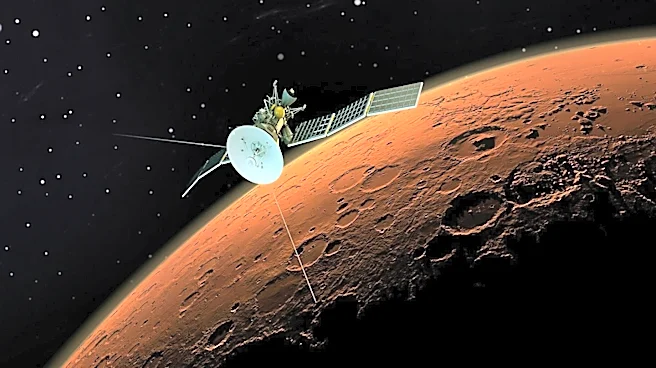
components: an orbiter and a lander. The orbiter was equipped with vidicon cameras for imaging, an infrared spectrometer for water vapor mapping, and infrared radiometers for thermal mapping. These instruments allowed the orbiter to conduct extensive reconnaissance of Mars, providing valuable data for selecting a safe landing site.
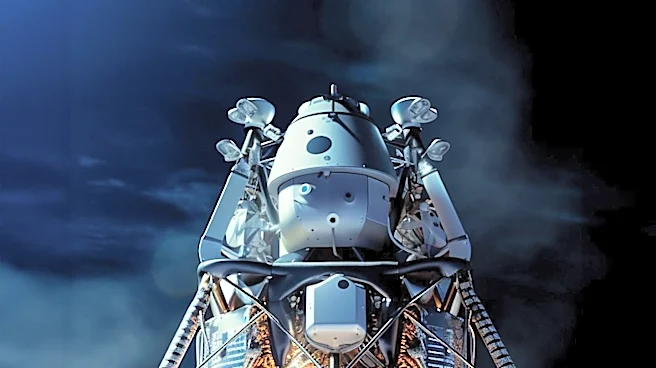
The lander was designed to withstand the harsh conditions of the Martian surface. It featured a robust aeroshell with an ablative heat shield to protect the craft during atmospheric entry. The lander's legs were equipped with honeycomb aluminum shock absorbers to ensure a soft landing. The landing rockets used an 18-nozzle design to spread the exhaust over a large area, minimizing surface disturbance.
The Landing Process
The Viking 1 lander's descent to the Martian surface was a carefully orchestrated sequence of maneuvers. After separating from the orbiter, the lander fired retrorockets to begin its de-orbit maneuver. At an altitude of about 300 kilometers, the lander was reoriented for atmospheric entry, with the aeroshell slowing the craft as it plunged through the atmosphere.
At 6 kilometers altitude, the lander's parachutes deployed, followed by the jettisoning of the aeroshell and the extension of the lander legs. Retrorockets on the lander itself were ignited at 1.5 kilometers altitude, ensuring a soft landing at Chryse Planitia. The successful landing marked a significant achievement in space exploration, demonstrating the feasibility of landing and operating spacecraft on Mars.
Legacy and Impact
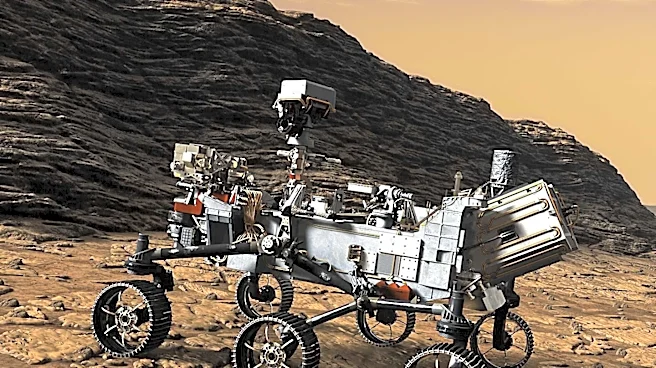
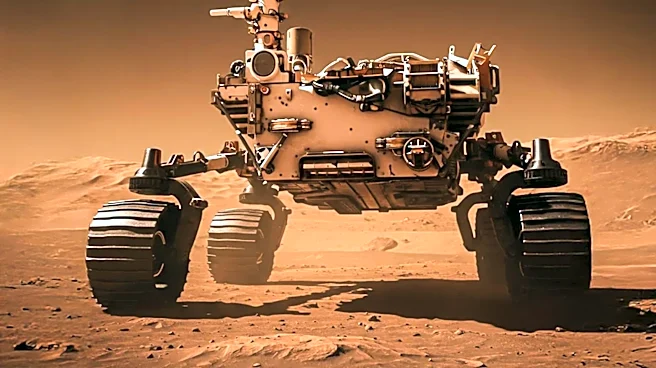
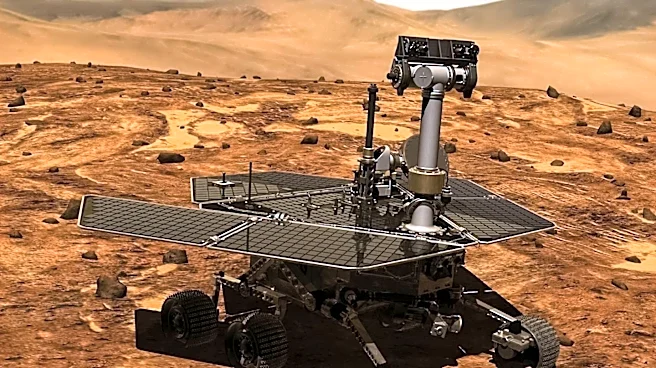
The Viking 1 mission's technological innovations set the stage for future Mars exploration. Its success paved the way for subsequent missions, such as the Mars Pathfinder and the Mars Exploration Rovers. The engineering feats of Viking 1 continue to inspire advancements in spacecraft design and landing technology.
Today, Viking 1 is remembered as a pioneering mission that expanded our knowledge of Mars and demonstrated the potential for human exploration of the Red Planet. Its legacy lives on in the continued efforts to explore and understand our neighboring planet.