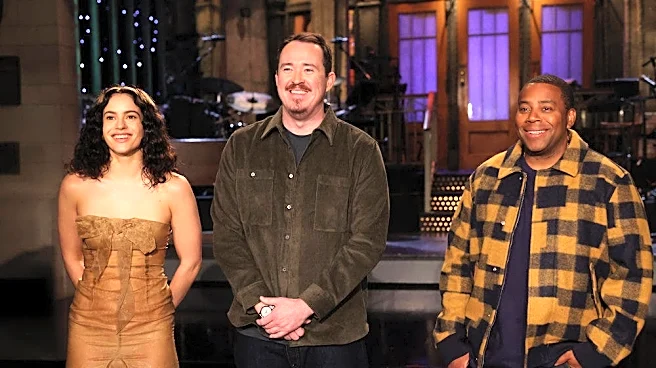


Saturday Night Live (SNL), which premiered on NBC on October 11, 1975, has cemented its place as one of the longest-running and most influential network programs in American television history. Created by Lorne Michaels, this late-night sketch comedy and variety show has consistently satirized contemporary American popular culture and politics, shaping public discourse and launching the careers of countless comedic talents. Its impact extends far
beyond weekly broadcasts, influencing comedy, television production, and even political commentary for decades.
From "NBC's Saturday Night" to a Household Name
Initially titled "NBC's Saturday Night," the program was conceived as a replacement for reruns of The Tonight Show. Johnny Carson's request to pull weekend shows for weekday airings in 1974 prompted NBC president Herbert Schlosser to task Dick Ebersol with creating a new show for the Saturday night slot. This decision, born out of a need to fill a programming gap, inadvertently led to the creation of a cultural institution. The network had previously struggled with its Saturday night lineup, and late-night Saturday shows held little interest until the mid-1970s, making SNL's eventual success all the more remarkable.
The show quickly developed a cult following, becoming known for its unique blend of satirical humor, political commentary, and celebrity impersonations. The early years were defined by its initial cast, famously dubbed the "Not Ready for Prime Time Players," including iconic performers like Chevy Chase, John Belushi, Dan Aykroyd, and Gilda Radner. These cast members rapidly achieved fame during the first season, establishing the show's reputation for groundbreaking comedy and launching a tradition of discovering and nurturing comedic talent.
Shaping Careers and Comedy
SNL has been a pivotal launching pad for numerous comedians and actors, many of whom have gone on to achieve successful careers in film and television. The show features a two-tiered cast structure, comprising repertory members and newer "Featured Players," ensuring a constant influx of fresh talent. This dynamic cast, coupled with a constantly changing writing staff, has allowed SNL to remain relevant and adapt to evolving cultural landscapes. The show's format, featuring a guest host, musical guest, and celebrity cameos, provides a unique platform for both established stars and rising talents.
The influence of SNL is evident in the careers it has fostered and the comedic styles it has popularized. Former cast members frequently return to host, with figures like original cast member Chevy Chase hosting eight times, and Tina Fey and Will Ferrell each hosting six times. Even Eddie Murphy, while still a cast member, famously stepped in to host at the last minute in 1982 when the scheduled host fell ill, highlighting the show's flexibility and the talent within its ranks. This continuous cycle of talent development and return appearances underscores SNL's role as a central hub in the entertainment industry.
A Mirror to American Society
Beyond its entertainment value, Saturday Night Live has played a prominent role in American popular culture by consistently satirizing contemporary American popular culture and politics. Its sketches often reflect and comment on current events, providing a comedic lens through which audiences can process and understand the world around them. This satirical approach has made SNL a significant voice in political commentary, particularly during presidential election years, when its ratings often experience temporary spikes.
The show's ability to adapt and reflect changing attitudes, particularly concerning cultural diversity, has been a notable aspect of its recent history. With over 1000 episodes broadcast over five decades, SNL has won numerous awards, including multiple Primetime Emmy Awards, solidifying its status as a critically acclaimed and culturally significant program. Its enduring presence and continuous evolution demonstrate its profound impact on American television and its lasting legacy as a cultural phenomenon.