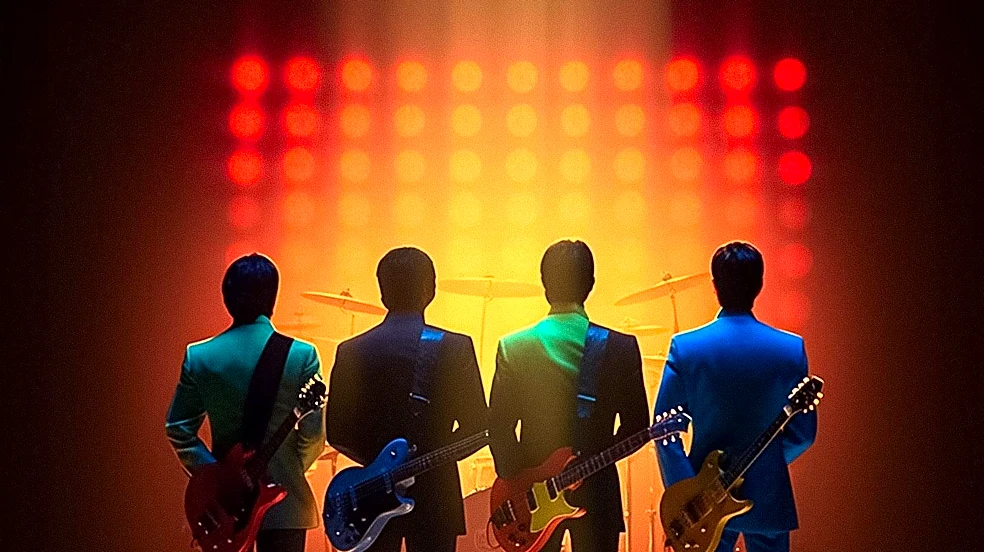









"Beatlemania," a Broadway musical revue, emerged in the late 1970s as a popular, albeit unauthorized, tribute to the iconic band, The Beatles. Conceived and produced by Steve Leber and David Krebs, the show aimed to simulate the Beatles' performances without featuring the actual band members. Its debut in Boston in April 1977 was followed by a Broadway premiere at the Winter Garden Theatre on May 31, 1977. This "rockumentary" style production quickly
gained traction, running for an impressive 1,006 performances from May 1977 to October 1979, showcasing the enduring appeal of the Beatles' music and image.
The musical's success was not limited to its Broadway run. Its popularity led to the creation of five separate touring productions, extending the reach of the Beatlemania phenomenon across the country. The cast, which included performers like Joe Pecorino, Mitch Weissman, Les Fradkin, and Justin McNeill, played a crucial role in bringing the simulated Beatles experience to life for audiences. This widespread appeal underscored a significant public appetite for nostalgia and live performances that evoked the spirit of the original band, even in their absence.
The Rise of a "Rockumentary" and Its Popularity
The concept behind "Beatlemania" was innovative for its time, presenting a "rockumentary" that meticulously recreated the Beatles' sound and stage presence. This approach allowed audiences to relive the excitement of a Beatles concert, a unique experience given the band's disbandment years prior. The show's ability to capture the essence of the Beatles, from their early mop-top days to their psychedelic era, resonated deeply with fans who longed for a connection to the band's golden age.
The extensive run on Broadway and the subsequent touring productions are clear indicators of the show's commercial success and cultural impact. It tapped into a collective memory and a desire to experience the music live, even if performed by a tribute act. The show became a significant cultural event, demonstrating how powerful the Beatles' legacy remained, capable of sustaining a major theatrical production for years.
Legal Challenges and the End of an Era
Despite its popularity, "Beatlemania" faced significant legal challenges. In 1979, The Beatles, through their company Apple Corps, initiated a lawsuit against the producers of the musical. This legal action highlighted the complexities surrounding intellectual property rights and the use of an artist's image and music without explicit authorization. The band sought to protect their brand and ensure proper compensation for the use of their likeness and musical catalog.
The lawsuit eventually led to a settlement, with the producers agreeing to pay several million dollars in damages. This legal battle culminated in the show being shut down in the mid-1980s at the request of Apple Corps. The closure of "Beatlemania" marked the end of a significant chapter in tribute performances, underscoring the importance of legal permissions in the entertainment industry, particularly when dealing with the legacy of globally recognized artists like The Beatles.