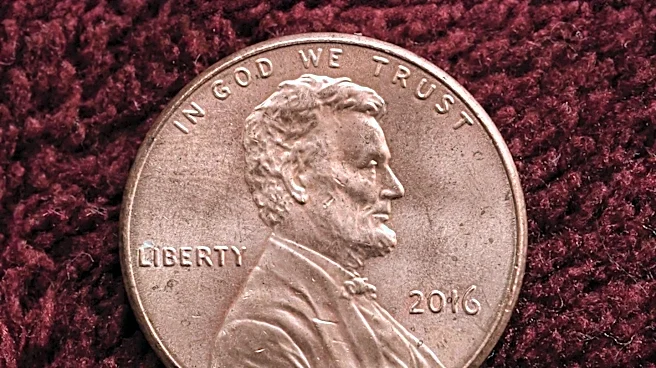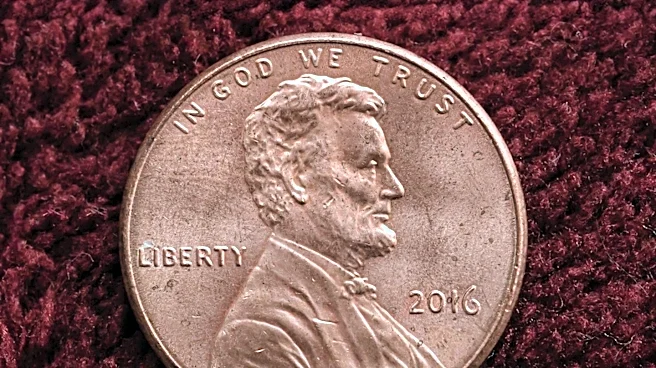








The Lincoln cent, a staple of American currency, has undergone significant changes since its inception in 1909. Originally introduced to commemorate the centennial of Abraham Lincoln's birth, this one-cent coin has seen various design and composition alterations over the years. From its initial wheat reverse to the modern Union shield, the Lincoln cent reflects both historical events and evolving minting technologies.
The Birth of the Lincoln Cent
The Lincoln cent was first minted
in 1909, replacing the Indian Head cent. This marked the first time a real person, Abraham Lincoln, was featured on a widely circulated U.S. coin. The design was created by Victor David Brenner, who based the obverse on a profile of Lincoln he had used in previous works. The reverse featured two stalks of wheat, earning it the nickname "wheat penny."
The introduction of the Lincoln cent was met with great public interest. On August 2, 1909, long lines formed outside Treasury facilities across the United States as people eagerly awaited the new coin. Despite the excitement, controversy arose over Brenner's initials, "VDB," prominently displayed on the reverse. This led to a temporary halt in production until the initials were removed.
Wartime Changes and Material Adjustments
During World War II, the composition of the Lincoln cent was altered due to copper shortages. In 1943, the coin was minted in zinc-coated steel, making it magnetic and lighter than its predecessors. This change was necessary to conserve copper for the war effort. However, the steel cents were often mistaken for dimes and prone to rust, leading to public dissatisfaction.
After the war, the mint reverted to a copper-based composition, using salvaged brass shell casings to produce cents from 1944 to 1946. The prewar composition resumed in 1947, but inflation in the early 1980s prompted another change. Since 1982, the Lincoln cent has been made primarily of zinc with a thin copper coating.
Design Evolution: From Wheat to Memorial to Shield
The Lincoln cent's reverse design has evolved significantly. In 1959, the wheat reverse was replaced by the Lincoln Memorial design, created by Frank Gasparro to mark the 150th anniversary of Lincoln's birth. This design remained until 2008, when it was replaced by four commemorative designs celebrating Lincoln's bicentennial.
In 2010, the Union shield design by Lyndall Bass was introduced, symbolizing Lincoln's role in preserving the United States during the Civil War. This design continues to be used today, reflecting the enduring legacy of Abraham Lincoln and the cent's adaptability to changing times.