





Cairo, Egypt's capital, is not only the largest city in the country but also a treasure trove of cultural and architectural wonders. Known as "the city of a thousand minarets," Cairo boasts a rich tapestry of Islamic architecture and cultural landmarks that have earned it a place as a UNESCO World Heritage Site. This article explores the cultural and architectural significance of Cairo, highlighting its unique contributions to the Islamic world.
Islamic Architecture
Cairo's
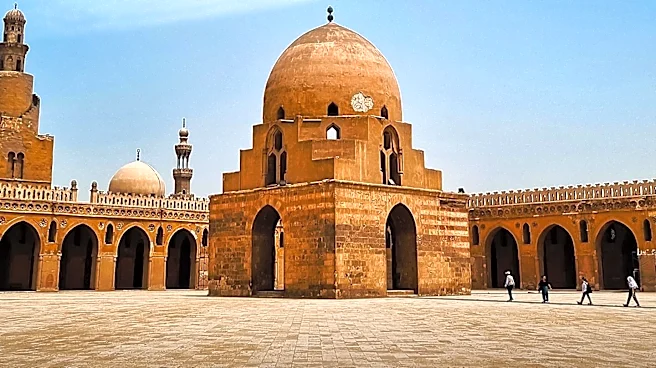
nickname, "the city of a thousand minarets," is a testament to its abundance of Islamic architectural marvels. The city's skyline is dotted with minarets, domes, and intricate designs that reflect the rich history of Islamic art and architecture. These structures are not only beautiful but also serve as important cultural and religious symbols.
The historic center of Cairo, recognized as a World Heritage Site, is home to numerous mosques, madrasas, and hammams. These buildings showcase the architectural prowess of the Ayyubid and Mamluk periods, with their elaborate designs and intricate details. The Ibn Tulun Mosque, one of the oldest in Cairo, is a prime example of the city's architectural heritage.
Cultural Significance
Beyond its architectural beauty, Cairo is a cultural hub that has played a significant role in the Islamic world. The city is home to Al-Azhar University, one of the oldest and most prestigious institutions of Islamic higher learning. Founded in the late tenth century, Al-Azhar University continues to be a center for Islamic scholarship and jurisprudence.
Cairo's cultural landscape is further enriched by its vibrant arts scene. The Cairo Symphony Orchestra and the Cairo Opera House are just two of the many institutions that contribute to the city's cultural vibrancy. These venues host performances that attract audiences from around the world, showcasing Cairo's role as a center for the arts.
Preservation and Legacy
Efforts to preserve Cairo's cultural and architectural heritage have been ongoing since the 19th century. The city's designation as a World Heritage Site in 1979 underscores the importance of protecting its historic landmarks. Despite challenges posed by modern development, Cairo's rich cultural legacy continues to be celebrated and preserved.
Cairo's blend of cultural richness and architectural beauty makes it a unique and fascinating city. As a center of Islamic culture and a beacon of architectural excellence, Cairo remains a vital part of Egypt's identity and a source of pride for its residents.