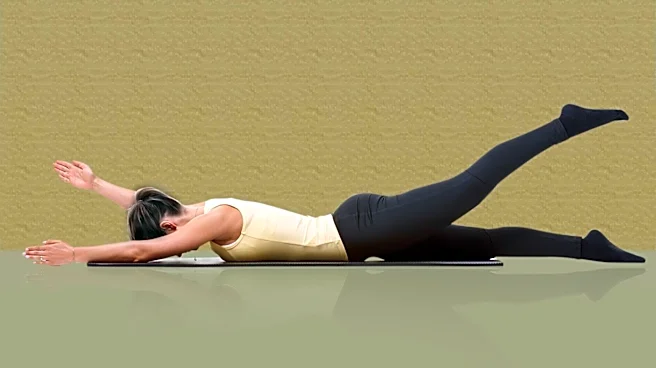









Pilates, a popular mind-body exercise, was developed in the early 20th century by Joseph Pilates. Known for its focus on core strength, flexibility, and control, Pilates has become a staple in fitness routines worldwide. This article delves into the historical development of Pilates, tracing its origins and evolution over the years.
The Birth of Pilates
Joseph Pilates, born in Germany in 1883, was a sickly child who suffered from asthma, rickets, and rheumatic fever. Determined
to improve his physical health, he engaged in various physical activities, including gymnastics, bodybuilding, and martial arts. His dedication to physical fitness led him to develop a unique exercise system that he initially called "Contrology." This system emphasized the use of the mind to control muscles, focusing on core postural muscles that help keep the body balanced and support the spine.
During World War I, Pilates was interned by British authorities along with other German citizens. It was during this time that he began refining his exercise system, teaching his fellow internees and drawing inspiration from the movements of animals. After the war, Pilates returned to Germany, where he collaborated with dance and physical exercise experts, further developing his method.
Pilates in America
In the mid-1920s, Joseph Pilates immigrated to the United States, where he opened a studio in New York City with his wife, Clara. The studio quickly gained popularity, especially among dancers and the performing arts community. Notable figures such as George Balanchine and Martha Graham became advocates of Pilates, sending their students to the studio for training and rehabilitation.
Joseph Pilates continued to refine his method, publishing two books: "Your Health: A Corrective System of Exercising That Revolutionizes the Entire Field of Physical Education" in 1934 and "Return to Life Through Contrology" in 1945. These publications helped spread the word about his innovative exercise system, which emphasized controlled movements, alignment, and breathing.
The Legacy of Pilates
After Joseph Pilates' death in 1967, his method continued to thrive, thanks in part to his dedicated students who carried on his teachings. Romana Kryzanowska, one of his protégés, became the director of the Pilates Studio in New York, ensuring the continuation of his legacy. Over the years, Pilates has evolved, with various styles and adaptations emerging, such as Stott Pilates, which incorporates modern exercise science and spinal rehabilitation principles.
Today, Pilates is practiced by millions worldwide, with its benefits recognized in both fitness and rehabilitation settings. The method's emphasis on core strength, flexibility, and control continues to attract a diverse range of practitioners, from athletes to those seeking a gentle yet effective workout.