




Tartar sauce, a ubiquitous condiment in many cuisines, is more than just a simple dressing; it is a carefully balanced blend of ingredients that create a distinctive flavor profile. At its heart, tartar sauce is a mayonnaise-based creation, providing a rich and creamy foundation. However, it is the specific additions to this base that elevate it from plain mayonnaise to the tangy, herbaceous sauce recognized globally. Understanding the role of each
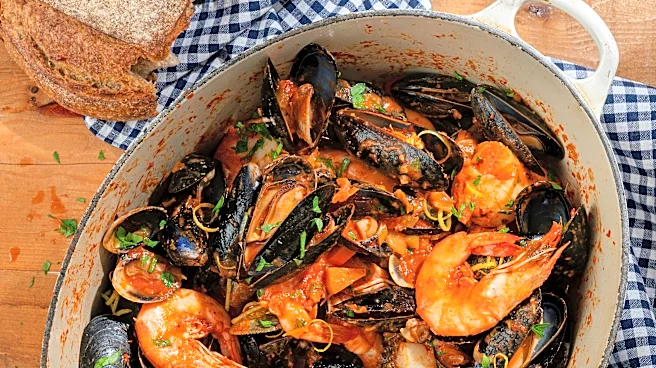
component offers insight into why this condiment pairs so well with a variety of dishes, particularly fried seafood.
Central to tartar sauce's character are the chopped cornichons or gherkins and capers. These pickled elements introduce a crucial tartness and a slight brininess that cuts through the richness of the mayonnaise. The finely chopped nature of these ingredients also contributes to the sauce's texture, adding small, discernible pieces that provide a pleasant contrast to the smooth base. This combination of acidity and texture is key to its refreshing quality, making it an ideal counterpoint to heavier, fried foods.
The Herbaceous Heart: Flavor and Aroma
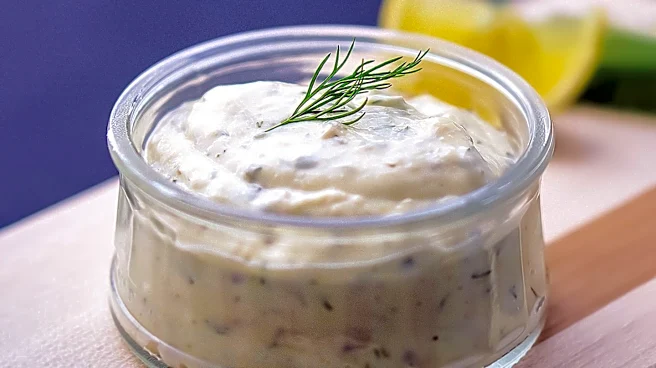
Beyond the pickled components, soft herbs play a vital role in defining the aromatic and fresh notes of tartar sauce. Typically, these include tarragon, dill, parsley, and chives. Each herb brings its own unique contribution: tarragon offers a subtle anise-like flavor, dill provides a fresh, slightly grassy taste, parsley adds a clean, green note, and chives contribute a mild oniony zest. The combination of these herbs creates a complex yet harmonious bouquet that enhances the overall sensory experience of the sauce.
The use of soft herbs, as opposed to more robust or woody varieties, ensures that their flavors are delicate and do not overpower the other ingredients. When finely chopped, these herbs are evenly distributed throughout the mayonnaise, allowing their fresh aromas to permeate the sauce. This herbaceous element is what often distinguishes tartar sauce from other mayonnaise-based condiments, giving it a signature freshness that complements its tangy and creamy characteristics.
The Mayonnaise Foundation and Regional Variations
The mayonnaise base is the unifying element of tartar sauce, providing its characteristic creamy texture and binding all the other ingredients together. This rich emulsion serves as a neutral canvas, allowing the flavors of the gherkins, capers, and herbs to shine. The quality of the mayonnaise can influence the overall taste and consistency of the final sauce, with a well-made mayonnaise contributing to a smoother and more luxurious mouthfeel.
While the core ingredients remain consistent, there can be subtle regional variations in the exact proportions or the specific types of pickles and herbs used. For instance, while cornichons and gherkins are common, other varieties of pickles might be incorporated. Similarly, the balance of tarragon, dill, parsley, and chives can vary, leading to slightly different flavor profiles depending on the culinary tradition. Despite these minor adjustments, the fundamental combination of a creamy base with tangy, herbaceous, and briny elements defines tartar sauce across its diverse global applications, from North American fried seafood to Central European grilled meats.