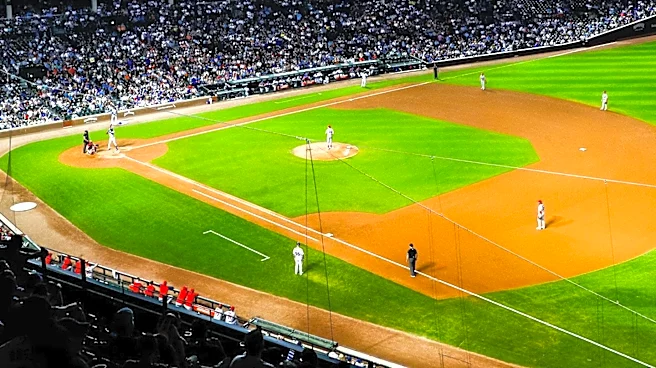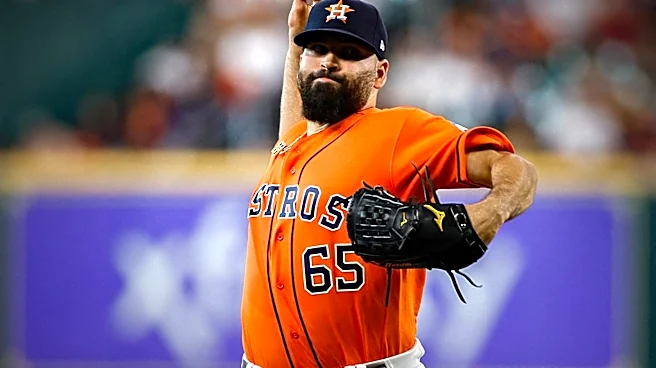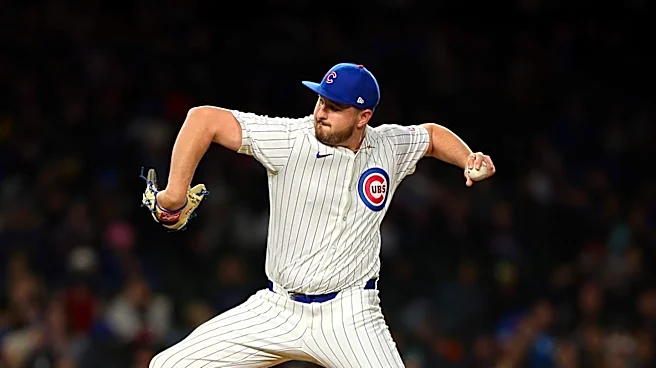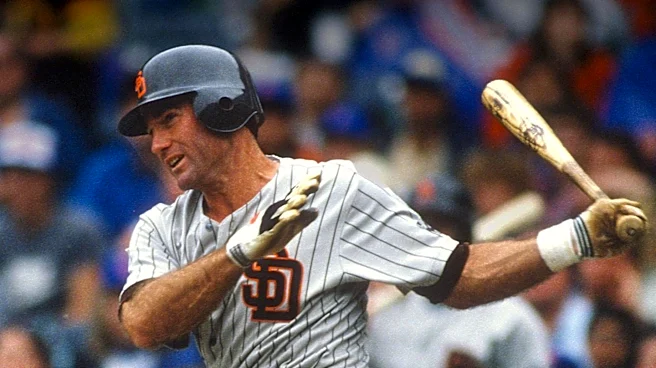







The 1981 Major League Baseball strike was a significant event driven by a dispute over free agent compensation. This strike, lasting from June 12 to August 9, resulted in the cancellation of 712 games and marked a turning point in the relationship between players and owners. The central issue was the owners' demand for compensation when losing a free agent player to another team, a point of contention that had been simmering for years. The resolution
of this strike had lasting implications for the future of free agency in baseball.
The Owners' Perspective
The owners were determined to regain some control over the free agency process, which they felt had become too favorable to the players. They proposed a system where compensation for losing a free agent would involve selecting a player from the signing team's roster, excluding 12 protected players. This proposal was met with resistance from the players, who argued that it would undermine the value of free agency.
The owners had previously lost at the bargaining table and in the courts on the issue of the free agency draft. Their frustration was compounded by the hefty contracts they had doled out from 1978 to 1981, fearing the loss of disgruntled stars in the free agency reentry draft. During this period, 43 players negotiated contracts worth over $1 million, reflecting the owners' attempts to retain their top talent.
The Players' Stand
The Major League Baseball Players Association (MLBPA), led by executive director Marvin Miller, stood firm against the owners' demands. The players maintained that any form of compensation would devalue free agency, a right that allowed them greater freedom in choosing their teams. The MLBPA voted unanimously to strike on May 29, 1981, after their unfair labor complaint was heard by the National Labor Relations Board.
The strike was a demonstration of the players' resolve to protect their rights and maintain the integrity of free agency. Despite the financial implications and the disruption to the season, the players were committed to ensuring that their interests were represented in the negotiations. This stance highlighted the growing power of the MLBPA and the importance of collective bargaining in resolving disputes.
The Resolution and Its Impact
The strike ended with an agreement reached on July 31, allowing the season to resume. While the specifics of the resolution were not detailed in the source text, the strike itself set a precedent for future negotiations between players and owners. It underscored the need for both sides to find common ground and work collaboratively to address issues related to free agency.
The 1981 strike was a pivotal moment in the history of baseball labor relations, illustrating the complexities of balancing fairness and financial interests. It served as a reminder of the importance of dialogue and compromise in maintaining the integrity of the sport. The resolution of the strike paved the way for future discussions on free agency and the evolving dynamics between players and owners.