





Telematics has emerged as a pivotal technology in modern commerce, with its most dominant applications found in the management of vehicle fleets. Far from being a niche technology, telematics systems are integral to optimizing logistics, enhancing safety, and reducing operational costs across various industries. These systems leverage a sophisticated combination of in-vehicle hardware and centralized software platforms to collect, analyze, and act
upon real-time data, transforming how businesses manage their mobile assets and personnel. The commercial impact of telematics extends beyond just fleet operations, influencing sectors like insurance, public transport, and even personal asset tracking.
Revolutionizing Fleet Operations
At the heart of commercial telematics is the fleet telematics system, a comprehensive solution designed to manage fleets of cars, trucks, and other assets. These systems utilize telematics devices as primary data collection tools, enabling the digitalization of fleet operations. In an economic climate where operational costs, particularly fuel, can be volatile, telematics offers a key tool for reduction. Key functions include real-time vehicle tracking, which provides precise location data, and route optimization, which helps in planning the most efficient paths for vehicles. This not only saves fuel but also improves delivery times and overall logistical efficiency.
Beyond location and routing, telematics systems offer advanced features such as driver behavior monitoring, which can track metrics like speed, harsh braking, and acceleration. This data is crucial for improving driver safety and can be used for proactive coaching. Engine diagnostics and predictive maintenance are also significant benefits, as telematics devices can interface with a vehicle's onboard computer to access diagnostic data, including engine RPM and fault codes. This allows for timely maintenance, reducing unexpected breakdowns and extending the lifespan of vehicles. Furthermore, fuel management capabilities help in monitoring consumption and identifying inefficiencies, contributing to substantial cost savings.
Broader Commercial Applications and Innovations
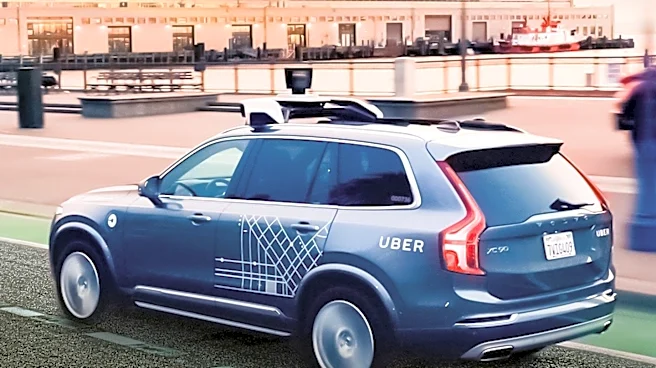
While fleet management is a major application, telematics technology is also integral to other commercial and consumer-facing services. Modern carsharing and ride-hailing platforms, such as Uber, Lyft, and Zipcar, rely heavily on telematics. Onboard devices in these vehicles track location, monitor usage, and enable remote locking and unlocking, all typically managed through smartphone applications. This seamless integration of technology facilitates the core functions of matching vehicles with users, tracking trips, and calculating fares.
Another significant commercial application is usage-based insurance (UBI), where auto insurance premiums are directly linked to real-time driving behavior. A telematics device in the vehicle monitors various metrics, including distance driven, speed, and braking force. This allows insurers to create personalized premiums, often rewarding safer drivers with lower costs. Video telematics represents an evolution in this field, integrating cameras like dashcams with telematics data to provide visual context to events. This technology is used for AI-powered driver coaching, accident reconstruction, and validating insurance claims, adding a crucial visual layer to traditional telematics data. Beyond vehicles, telematics is also widely used for personal and asset monitoring through small, portable, battery-powered trackers, providing location data for a diverse range of applications.