






Beauty standards in South Korea are not just about aesthetics; they have profound cultural and economic implications. These standards influence personal identity, societal roles, and economic opportunities, creating a complex web of expectations and pressures. This article explores how these beauty ideals affect various aspects of South Korean life.
Cultural Significance of Beauty
In South Korea, beauty is deeply intertwined with cultural identity and social status. The emphasis
on maintaining a youthful appearance is prevalent, with clear skin, a slim figure, and specific facial features being highly valued. These ideals are often seen as a reflection of one's character and social standing, influencing how individuals are perceived and treated in society.
The cultural pressure to conform to these standards is significant, with beauty often equated to success and happiness. This societal expectation can lead to individuals feeling compelled to invest in their appearance, whether through skincare routines, makeup, or cosmetic procedures. The pursuit of beauty becomes a cultural norm, shaping personal and collective identities.
Economic Implications and Opportunities
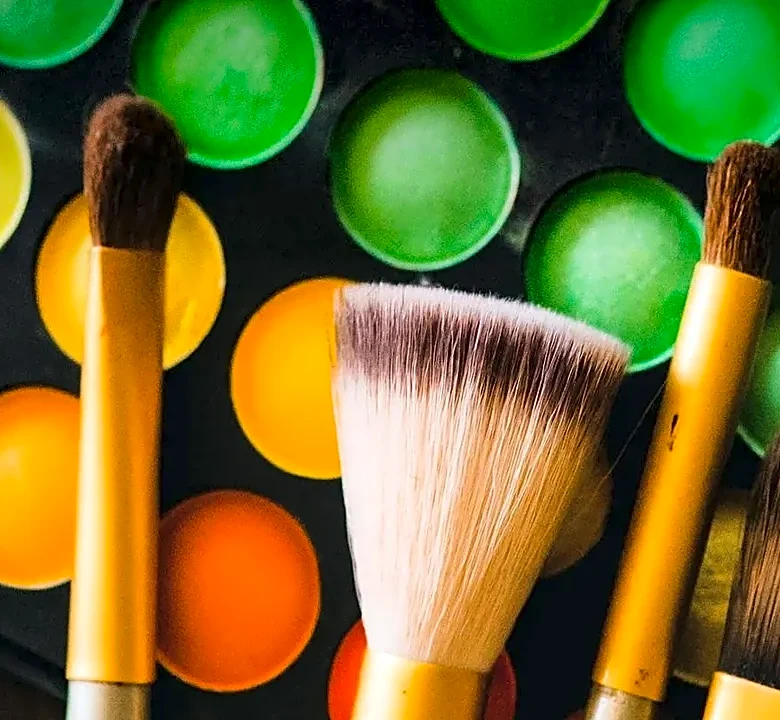
The economic impact of beauty standards in South Korea is substantial. The beauty industry, including cosmetics and cosmetic surgery, is a major economic sector, with South Korea being one of the top countries for cosmetic procedures. This industry not only caters to domestic demand but also attracts international clients, contributing to the country's economy.
Beauty is also a critical factor in the job market, where physical appearance can influence hiring decisions and career advancement. Companies often consider looks as part of an applicant's qualifications, leading individuals to invest in their appearance to improve their job prospects. This economic pressure reinforces the importance of beauty standards, making them a crucial aspect of professional success.
The Role of Media and Global Influence
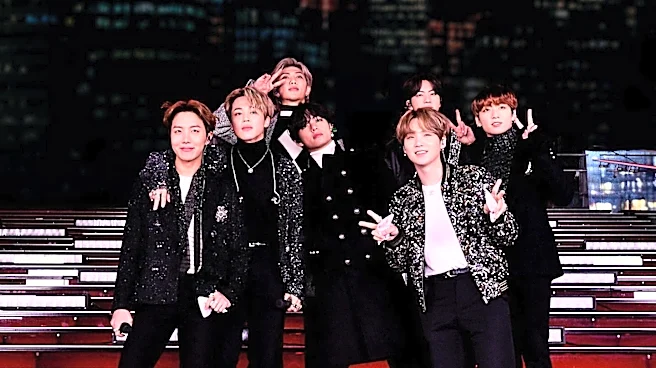
South Korean media plays a pivotal role in promoting and perpetuating beauty standards. K-pop, dramas, and advertisements showcase idealized images that set the benchmark for attractiveness. These media representations not only influence domestic audiences but also have a global reach, spreading South Korean beauty ideals worldwide.
The international popularity of South Korean media has led to a growing interest in the country's beauty products and practices. This global influence highlights the economic potential of beauty standards, as they become a cultural export that shapes perceptions of beauty across different cultures.
In conclusion, South Korean beauty standards have far-reaching cultural and economic impacts, influencing personal identities, societal roles, and economic opportunities both domestically and internationally.