



The Wyoming Territory, a significant chapter in the history of the United States, existed from 1868 until 1890. This period marked the transition of the region from a territory to becoming the 44th state of the Union. Cheyenne, the capital of the territory, played a central role during this transformative era. Understanding the timeline of the Wyoming Territory provides insight into the broader narrative of American expansion and statehood.
Establishment of the Wyoming Territory
The Wyoming
Territory was officially established in 1868. This creation was part of a broader movement during the 19th century where the United States expanded westward, organizing new territories as the population grew and the nation sought to incorporate more land into its fold. The establishment of the Wyoming Territory was a strategic move, reflecting the government's interest in managing and developing the resources and lands in the region.
Cheyenne was chosen as the capital of the Wyoming Territory. This decision was significant as it positioned Cheyenne as a central hub for political and administrative activities. The choice of Cheyenne was likely influenced by its location and the potential for growth and development in the area. As the capital, Cheyenne became a focal point for the territory's governance and a symbol of its identity.
Life in the Wyoming Territory
Life in the Wyoming Territory during its existence was shaped by the challenges and opportunities of frontier life. The territory was characterized by its vast landscapes and natural resources, which attracted settlers and entrepreneurs looking to make their fortunes. The development of infrastructure, such as railroads, played a crucial role in connecting the territory to the rest of the country and facilitating economic growth.
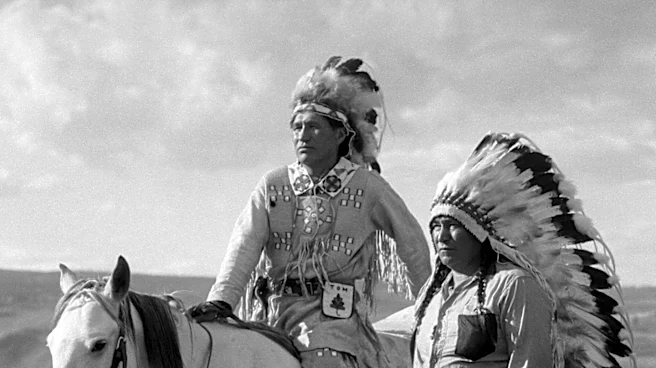
The social fabric of the Wyoming Territory was diverse, with a mix of Native American tribes, settlers, and immigrants contributing to its cultural landscape. This diversity brought both cooperation and conflict, as different groups navigated the complexities of life in the territory. The governance of the territory had to address these dynamics, balancing the needs and interests of its varied population.
Transition to Statehood
The transition from territory to statehood was a pivotal moment for Wyoming. In 1890, the Wyoming Territory was dissolved as it achieved statehood, becoming the 44th state of the United States. This transition marked the culmination of years of development and growth, as the territory had matured into a region capable of self-governance and integration into the Union.
Statehood brought new opportunities and challenges for Wyoming. As a state, Wyoming gained representation in the federal government and a greater voice in national affairs. The legacy of the Wyoming Territory continued to influence the state's identity and development, shaping its path in the years to come.