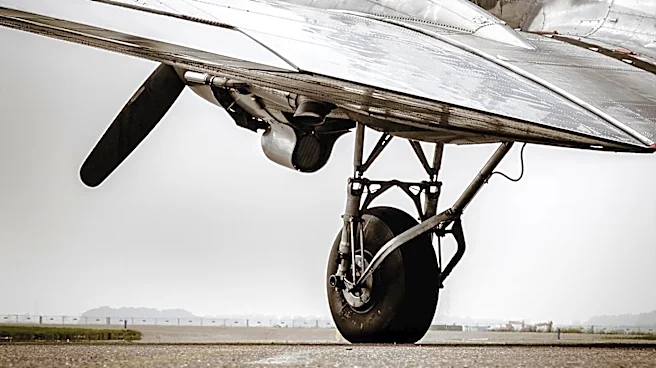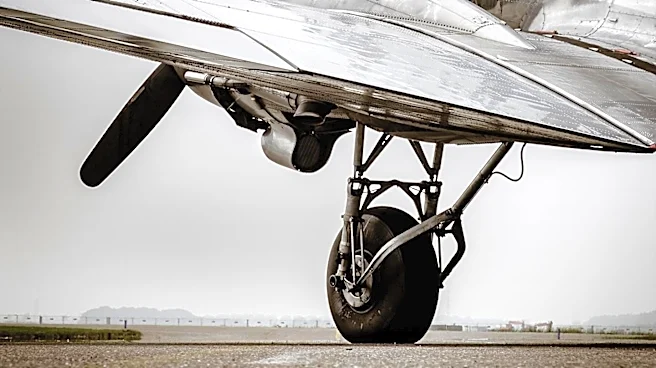









Operation Vittles was the codename for the Berlin Airlift, a monumental effort by the Western Allies to supply West Berlin during the Soviet-imposed blockade from June 1948 to May 1949. This operation was a logistical marvel, showcasing the Allies' ability to overcome significant challenges and maintain their presence in Berlin. The airlift not only provided essential supplies to the city's residents but also became a symbol of Western determination
and ingenuity in the face of Soviet aggression.
The Logistics of the Airlift
Operation Vittles was a complex logistical operation that required meticulous planning and coordination. The Western Allies, primarily the United States and the United Kingdom, mobilized hundreds of aircraft to deliver supplies to West Berlin. These planes flew thousands of missions, landing at Tempelhof Airport and other airfields in the city. The airlift involved a continuous stream of flights, with planes taking off and landing every few minutes to ensure a steady flow of supplies.
The operation faced numerous challenges, including adverse weather conditions, limited runway space, and the need to maintain aircraft and crew. Despite these obstacles, the airlift was remarkably successful, delivering over two million tons of supplies to West Berlin over the course of the blockade. The operation relied on the dedication and skill of pilots, ground crews, and support staff, who worked tirelessly to keep the airlift running smoothly.
The Impact on West Berlin
Operation Vittles had a profound impact on the residents of West Berlin, providing them with the essentials needed to survive the blockade. The airlift delivered food, fuel, medicine, and other necessities, ensuring that the city's population could continue their daily lives despite the Soviet attempt to isolate them. The operation was a lifeline for West Berlin, preventing a humanitarian crisis and demonstrating the Allies' commitment to the city's welfare.
The airlift also had a significant psychological impact, boosting the morale of West Berliners and reinforcing their resolve to resist Soviet pressure. The sight of Allied planes landing with supplies became a powerful symbol of hope and resilience, inspiring the city's residents to stand firm in the face of adversity. Operation Vittles strengthened the bond between West Berlin and the Western Allies, fostering a sense of solidarity and shared purpose.
A Symbol of Western Resolve
Operation Vittles was more than just a logistical achievement; it was a symbol of Western resolve and unity in the face of Soviet aggression. The airlift demonstrated the Allies' determination to defend their interests and uphold democratic values, even in the most challenging circumstances. It showcased the power of cooperation and innovation, proving that the Western powers could overcome significant obstacles to achieve their goals.
The success of Operation Vittles had lasting implications for the Cold War, solidifying the division of Berlin and strengthening the Western alliance. It underscored the importance of Berlin as a focal point in the struggle between East and West, setting the stage for future confrontations. The airlift remains a testament to the courage and ingenuity of those who participated in the operation, leaving a lasting legacy in the annals of Cold War history.