



Hair irons, tools designed to alter hair arrangement using heat, have a rich history marked by innovation and adaptation. While today we commonly associate them with curling or straightening, their development spans centuries, with early forms focusing on creating specific styles or textures. The journey from rudimentary heated metal implements to sophisticated ceramic and electric devices reflects a continuous effort to achieve desired hair aesthetics
more effectively and safely. This evolution highlights not only technological progress but also changing beauty standards and the ingenuity of individuals who sought to meet them.
Early Innovations and the Hot Comb
The concept of using heat to style hair is not new. In the 1870s, French hairdresser Marcel Grateau introduced heated metal hair care implements, including hot combs, to straighten hair. These early tools were a significant step forward from previous methods, which often involved harsh chemicals that could damage hair. The hot comb, a metal comb designed to be heated and then slid through the hair, became a popular method for achieving a smoother texture, particularly for those with coarse or curly hair. Its effectiveness lay in its ability to apply direct heat, temporarily modifying the hair's structure.
Madame C.J. Walker played a pivotal role in popularizing the hot comb in the United States. She used combs with wider teeth and integrated their use with her system of chemical scalp preparation and straightening lotions. While often credited with inventing the hot comb, the tool was commercially available in Europe and America as early as the 1870s. Her mentor, Annie Malone, is sometimes also associated with patenting the hot comb. These heated metal implements were favored because they slid more easily through the hair, which helped reduce damage and dryness compared to other methods of the time. The hot comb was designed to straighten hair from the roots, and could be heated directly on a source of heat or be electrically powered.
The Advent of Straightening Irons and Modern Materials
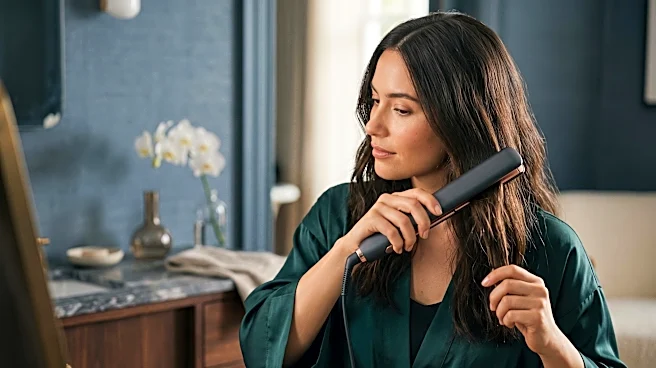
The specific innovation of the straightening iron, or flat iron, as we know it today, came later. In 1909, Isaac K. Shero patented what is considered the first hair straightener, which consisted of two flat irons that were heated and pressed together. This design laid the groundwork for modern flat irons, which operate by breaking down the positive hydrogen bonds in the hair's cortex. These bonds are responsible for the hair's natural curl or bend. Once broken, the hair is prevented from holding its original form, though these hydrogen bonds can re-form if exposed to moisture, such as from washing or humidity.
Modern straightening irons predominantly use ceramic material for their plates. The quality of these ceramic plates can vary significantly; lower-end straighteners might feature a single layer of ceramic coating, while high-end models boast multiple layers or are made entirely of 100% ceramic material. The use of ceramic is crucial because it provides even heat distribution and helps to minimize damage to the hair. Beyond ceramic, other materials like metal, Teflon, titanium, and tourmaline are also used in various hair irons, including curling irons. Many contemporary straightening irons also incorporate safety features, such as automatic shut-off mechanisms, to prevent accidents.
Beyond Flat Irons: Specialized Straightening Tools
The evolution of hair straightening tools didn't stop with the flat iron. Ceramic and electrical straighteners introduced the ability to adjust heat settings and offered various sizes to cater to different hair lengths and types. For instance, flat irons with heating plates around 0.5 to 1 inch wide are typically used for shorter hair, while wider irons are preferred for longer hair. The 1960s even saw women using clothing irons to straighten their hair, highlighting the strong desire for straight styles even with less specialized tools.
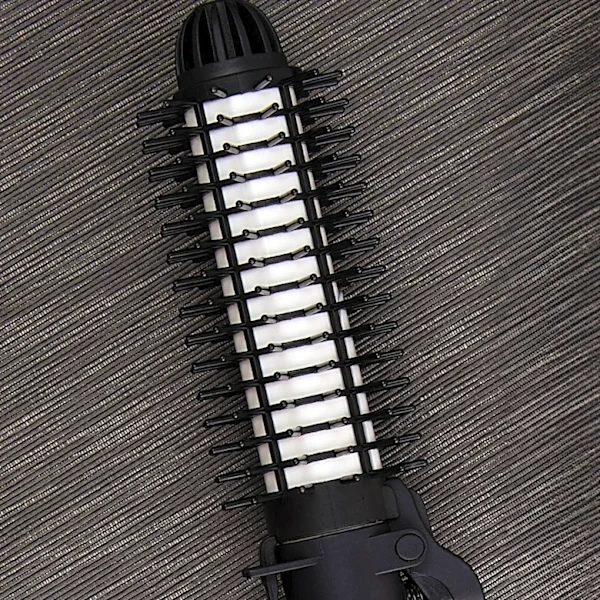
More recently, the concept of a hair straightening brush emerged. A ceramic hair straightener brush was patented in 2013, and the first straightening brush was released in 2015 under the DAFNI brand name by Sharon Rabi. These brushes work by producing heat that is absorbed by the hair as it is steadily brushed. For maximum effect, the hair needs to penetrate deep into the brush. The ceramic straightening brush offers a larger surface area compared to a traditional flat iron, providing another option for achieving straight hair. These advancements demonstrate a continuous drive to refine hair straightening methods, making them more efficient, safer, and accessible to a wider range of users.