



Maryland, a state with a rich political history, conducts a variety of elections at federal, state, and local levels. These electoral processes are fundamental to the state's governance, allowing citizens to choose their representatives and shape public policy. From presidential contests to local mayoral races, the elections in Maryland reflect the diverse political interests and demographic makeup of its population. Understanding the different types
of elections and the state's approach to voter participation offers insight into its democratic framework.
Diverse Electoral Contests Across Maryland
Elections in Maryland encompass a wide array of offices, ensuring representation at every level of government. At the federal level, Marylanders participate in United States presidential elections, United States Senate elections, and elections for the United States House of Representatives. These federal contests connect Maryland's voters to national political discourse and decision-making, influencing the balance of power in Washington D.C.
State-level elections are equally crucial, determining the leadership and legislative direction within Maryland itself. These include Maryland gubernatorial elections, which select the state's chief executive, and elections for the Maryland Comptroller, a key financial officer. Primary elections in Maryland also play a vital role, allowing voters to choose their party's nominees for the general elections. Beyond these, local elections, such as the Frederick mayoral election and the Baltimore mayoral election, address community-specific needs and leadership, directly impacting the daily lives of residents.
Voter Accessibility and Engagement
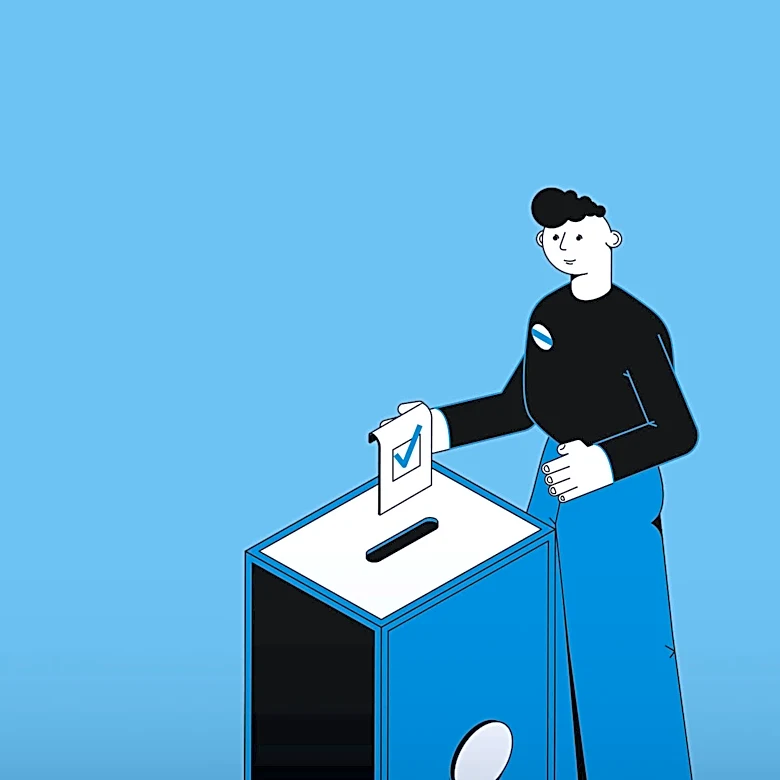
Maryland has been recognized for its efforts in making voting accessible to its citizens. A 2020 study ranked Maryland as the 5th-easiest state for citizens to vote in. This high ranking is based on several factors, including the state's registration and identification requirements, which are designed to be straightforward and inclusive. Additionally, Maryland implements various convenience provisions aimed at facilitating voter participation.
These convenience provisions can include aspects like early voting options, absentee ballot access, and efficient polling place operations. Such measures are critical in encouraging higher voter turnout and ensuring that a broad spectrum of the population can exercise their right to vote without undue obstacles. The state's commitment to voter accessibility underscores its dedication to a robust and participatory democracy, allowing its citizens to actively engage in the electoral process and shape the future of their communities and the state as a whole.