






Sunless tanning has emerged as a popular alternative for individuals seeking a tanned appearance without exposure to ultraviolet (UV) radiation from sunlight or indoor tanning beds. This method relies on chemical reactions rather than melanin production stimulated by UV light. The primary active ingredient in most sunless tanning products is dihydroxyacetone (DHA), a compound that interacts with the skin's surface to create a temporary color change.
Understanding the science behind DHA and other components is crucial for appreciating how these products work and their associated considerations.
Dihydroxyacetone (DHA): The Core Ingredient
DHA, also known as glycerone, is not a dye, stain, or paint in the traditional sense. Instead, it initiates a chemical reaction with the amino acids present in the dead layer of the skin's surface. One pathway for this reaction is a free radical-mediated Maillard reaction, while another is the conventional Maillard reaction, a process familiar to food chemists for the browning that occurs during food manufacturing and storage. This reaction does not involve the underlying skin pigmentation and does not require UV light to initiate the color change. Sunless tanning products typically use DHA in concentrations ranging from 3% to 5%, with the concentration adjusted to achieve different shades of tan.
Another ingredient, erythrulose, works similarly to DHA but develops more slowly. Both DHA and erythrulose have been known to cause contact dermatitis in some individuals. The color produced by DHA-based products is temporary, gradually fading over three to ten days as the skin naturally exfoliates.
Safety Considerations and UV Susceptibility
While sunless tanning offers a UV-free alternative, it's important to note certain safety considerations. A 2007 study indicated that for approximately 24 hours after self-tanner application, the skin may be especially susceptible to UV radiation. The study found that skin samples treated with high levels of DHA formed over 180 percent more free radicals during sun exposure compared to untreated skin. A similar response was observed with erythrulose at high levels. This suggests that excessive sun exposure should be avoided, and sunscreen should be worn outdoors for a day after applying self-tanner. An antioxidant cream might also help minimize free radical production.
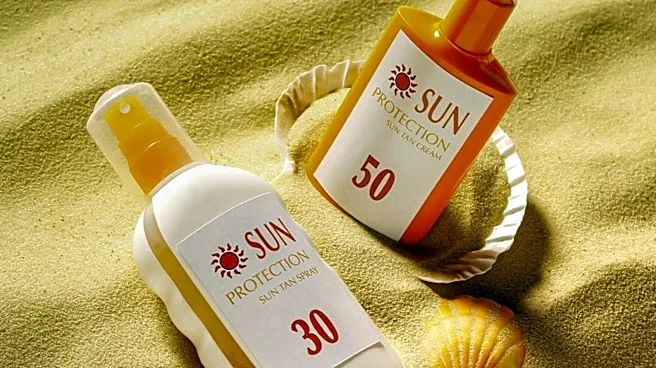
Although some self-tanners contain sunscreen, its protective effect is short-lived and will not last as long as the tan itself. The stated SPF is typically only applicable for a few hours post-application. Despite the skin darkening, an individual remains susceptible to UV rays, making overall sun protection essential. There may also be some inhibition of vitamin D production in DHA-treated skin. The free radicals are attributed to the action of UV light on Advanced Glycation End-products (AGEs), which result from the reaction of DHA with the skin. While AGEs offer a small amount of UV protection (up to SPF 3), they lack melanin's ability to dissipate energy, leading to the initiation of free radical chain reactions.
Criticisms and Scientific Scrutiny
An opinion issued by the European Commission's Scientific Committee on Consumer Safety, which concluded that spray tanning with DHA did not pose a risk, has faced significant criticism from specialists. This criticism stems from the fact that the cosmetics industry in Europe reportedly selected the evidence for review, leading to a reliance on studies that were often unpublished, not peer-reviewed, and conducted by companies or industry groups linked to DHA manufacturing. Critics argue that nearly all peer-reviewed studies published in scientific journals identifying DHA as a potential mutagen were omitted. For instance, a study by scientists from the Department of Dermatology, Bispebjerg Hospital, published in Mutation Research, concluded that DHA "induces DNA damage, cell-cycle block and apoptosis" in cultured cells, highlighting the ongoing scientific debate and scrutiny surrounding the long-term effects of DHA.