







The NASCAR Cup Series has a rich history, not just in its races and champions, but also in the very machines that compete on the track. Over the decades, the Cup car has undergone significant transformations, evolving from modified production vehicles to highly specialized racing machines. This journey reflects advancements in automotive technology, safety, and the ever-present quest for speed and competitive balance. Understanding these generational
shifts provides insight into the engineering challenges and innovations that have shaped America's premier stock car racing series.
Early Days: Generations 1 and 2 (1948–1980)
The earliest era of NASCAR Cup cars, known as Generation 1, spanned from 1948 to 1964. These vehicles were essentially "strictly stock" cars, meaning they were production models with minimal modifications for racing. This approach emphasized the direct connection between the cars on the track and those available in showrooms, a core tenet of stock car racing. As the sport grew, so did the need for more specialized equipment. The Generation 2 cars, introduced in 1965 and used until 1980, began to see more significant departures from their street-legal counterparts. While still based on production car bodies, these vehicles incorporated more purpose-built racing components, reflecting a growing sophistication in race car design and engineering.
This period also saw the rise of factory support from American manufacturers like Chrysler, Ford, and General Motors. Initially, there was a diverse range of machinery with little direct support from car companies. However, by the mid-1960s, participation became almost exclusively American manufacturers with substantial factory backing. This manufacturer involvement fueled innovation and competition, pushing the boundaries of what these "stock" cars could achieve on the racetrack.
The Aerodynamic Era: Generations 3 and 4 (1981–2007)
The 1980s ushered in a new era of design with Generation 3 cars, which were in use from 1981 to 1991. These cars began to place a greater emphasis on aerodynamics, as teams sought every possible advantage on the high-speed ovals. The designs became sleeker, and engineers started to fine-tune body shapes for optimal airflow and downforce. This focus on aerodynamic efficiency continued and intensified with the Generation 4 cars, which dominated the tracks from 1992 to 2007. This generation is often remembered for its distinct body styles and the intense competition it fostered, becoming iconic in the minds of many NASCAR fans.
During this time, the landscape of manufacturer representation also shifted. While GM was still using four different brands in NASCAR in 1991, within three years, Buick and Oldsmobile were no longer participating. Pontiac remained until 2004, eventually leaving Chevrolet as the sole GM brand. This consolidation among manufacturers highlighted the increasing costs and specialization required to compete at the highest level of the sport.
Modern Innovations: Car of Tomorrow, Generation 6, and Next Gen (2007–Present)
A significant shift occurred in 2007 with the introduction of the Car of Tomorrow (CoT), which was used until 2012. This car represented a radical departure from previous designs, aiming to improve safety, reduce costs, and create closer racing. The CoT featured a more standardized design across manufacturers, with a focus on common components and a larger rear wing. While initially met with mixed reactions, it laid the groundwork for future safety and competition enhancements.
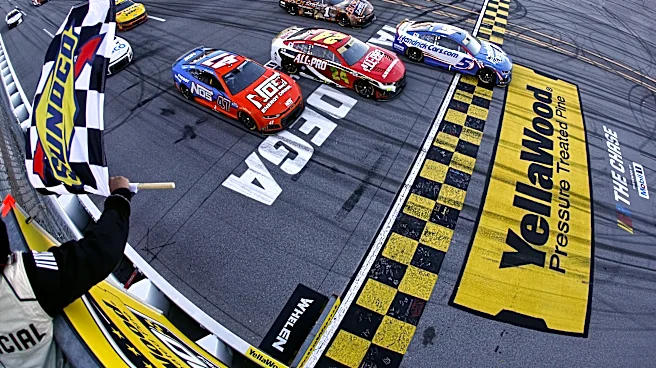
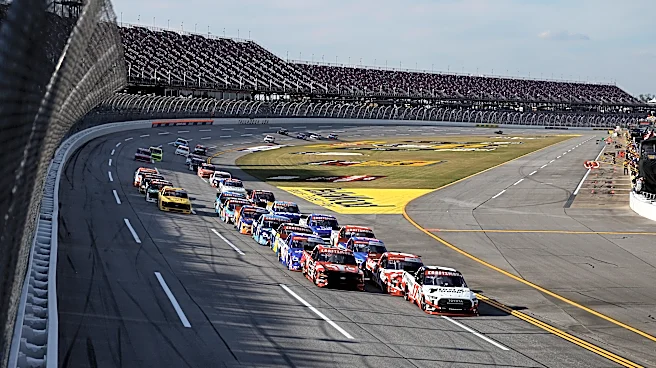
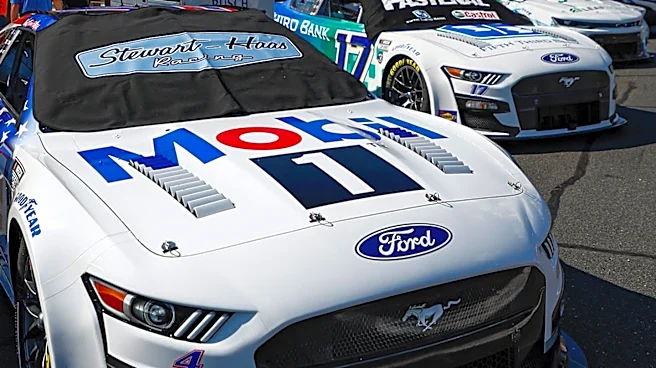
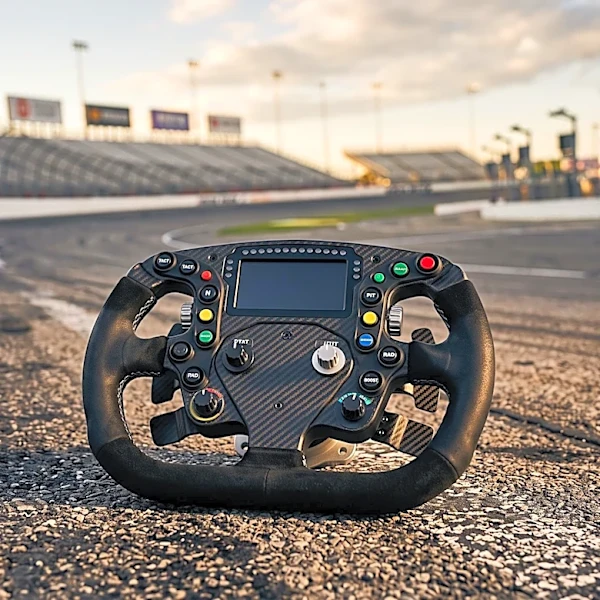
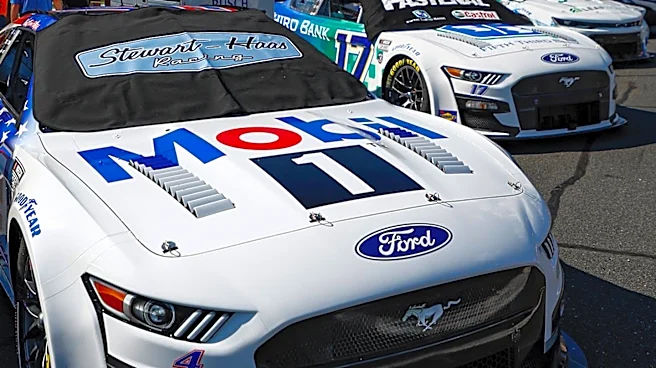
Following the CoT, the Generation 6 car was introduced in 2013 and raced through 2021. This generation sought to bring back more brand identity to the cars, allowing manufacturers to incorporate more distinctive styling cues from their production models while retaining the safety and performance lessons learned from the CoT. Finally, the current iteration, the Next Gen car, debuted in 2022. This car represents the most significant overhaul in decades, featuring a completely new chassis, independent rear suspension, larger wheels, and advanced aerodynamic packages. The Next Gen car aims to further enhance competition, reduce reliance on aerodynamics in dirty air, and make the cars more relevant to modern production vehicles, continuing the long tradition of evolution in NASCAR Cup Series racing.