







Chicken salad, a versatile dish enjoyed across the globe, has a rich history that spans centuries and continents. While in the United States and Canada it often refers to a specific mixed salad of chopped chicken and a binder like mayonnaise, its definition and preparation vary significantly worldwide. This culinary staple has evolved from early 19th-century English recipes to diverse American interpretations and even pan-Asian fusion dishes, showcasing
its adaptability and enduring appeal.
Early Beginnings in Europe and America
The concept of chicken salad can be traced back to early 19th-century Europe. An English recipe for chicken salad is featured in Mrs. Beeton's Book of Household Management. This early version describes a dish of cold roast chicken served on lettuce, drizzled with a dressing made from mixed mustard, sugar, salad oil, milk, vinegar, cayenne, and salt. It was then garnished with hard-boiled eggs, cucumber slices, and boiled sliced beetroot, indicating a more elaborate preparation than some modern versions.
Across the Atlantic, early American chicken salad recipes began appearing in 19th-century Southern cookbooks. Notable examples include Sarah Rutledge's "The Carolina Housewife: Or, House and Home" (1847) and Abby Fisher's "What Mrs. Fisher Knows About Old Southern Cooking" (1881). Rutledge's cookbook includes a recipe titled "A Salad To Be Eaten With Cold Meat Or Fowl," which provides instructions for making mayonnaise from scratch before adding it to cold meats, including chicken and seafood. This highlights the importance of homemade binders in early American preparations.
The American Interpretation and Its Core Ingredients
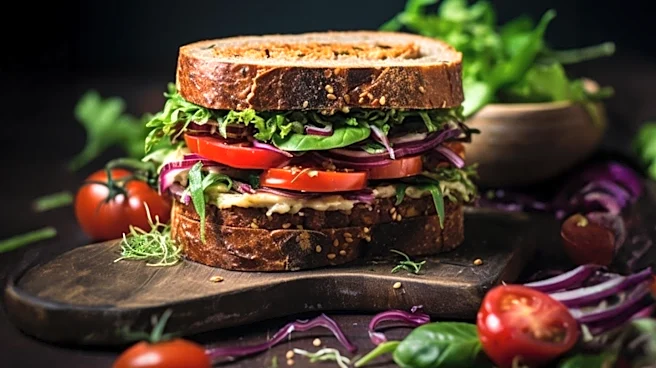
In the United States and Canada, the term "chicken salad" typically refers to a specific mixed salad. This version primarily consists of chopped chicken meat combined with a binder such as mayonnaise, salad dressing, or cream cheese. It is often served on top of lettuce, tomato, or avocado, or used as a filling for sandwiches. Common ingredients in this American style include hard-boiled egg, celery, onion, pepper, pickles (or pickle relish), and various mustards. This type of chicken salad is frequently made with leftover cooked or canned chicken, emphasizing its practicality and use of readily available ingredients.
Beyond the bound salad, "chicken salad" in North America can also refer to any garden salad topped with fried, grilled, or roasted chicken, usually cut up or diced. This broader definition encompasses a wider range of preparations, from simple green salads to more elaborate main course dishes. The American System of Cookery (1847) even lists chicken salad among the foods traditionally enjoyed on the Fourth of July, underscoring its long-standing presence in American culinary traditions.
Global Variations and Fusion Cuisine
Outside of North America, chicken salad takes on many different forms. In Europe and Asia, the salad may be complemented by a variety of dressings, or sometimes no dressing at all. The constituents of these salads can range from traditional leaves and vegetables to pastas, couscous, noodles, or rice, demonstrating a much broader approach to what constitutes a "chicken salad."
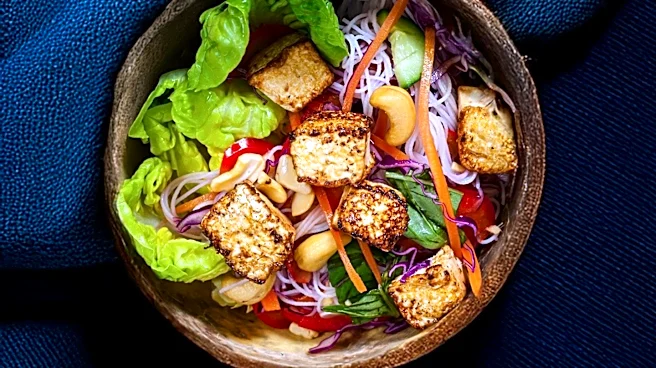
A particularly interesting development is the Chinese chicken salad, popular in parts of the United States. This dish is considered a product of pan-Asian or fusion cuisine influences rather than traditional Chinese cuisine. Common features include chopped chicken, Chinese noodles, lettuce, ginger, and sesame oil, often garnished with nuts like sliced almonds, cashews, or peanuts. The vinaigrette typically includes vegetable oil, sesame oil, and rice vinegar, with optional seasonings like dry hot mustard or sesame seeds. This fusion dish exemplifies how the concept of chicken salad has adapted and integrated diverse culinary traditions, creating new and popular variations.