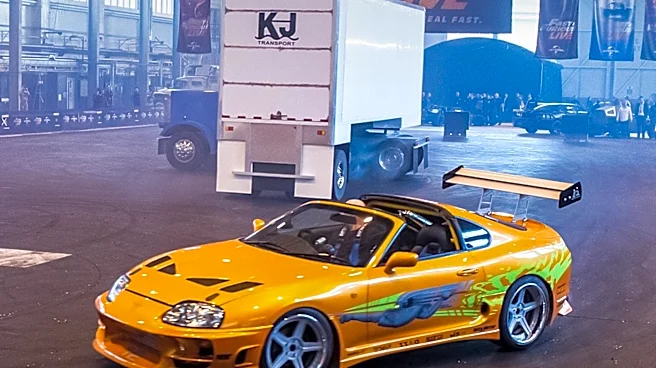










The Fast and the Furious franchise has undergone significant changes since its inception in 2001. What began as a film focused on illegal street racing has evolved into a series that incorporates elements of heists, espionage, and family dynamics. This article analyzes the thematic and stylistic changes throughout the franchise, highlighting how it has adapted to remain relevant and engaging for audiences.
From Street Racing to Heists
The original Fast and the Furious film introduced
audiences to the world of illegal street racing, inspired by the 1998 Vibe magazine article "Racer X." The film's focus was on the thrill of racing and the camaraderie among racers, with a storyline centered around an undercover cop infiltrating a street racing crew. The film's success was due in part to its portrayal of the underground racing culture, which resonated with audiences.
As the franchise progressed, it began to shift away from street racing as the central theme. Fast & Furious, released in 2009, marked a turning point for the series, as it introduced elements of heists and espionage. This change in direction broadened the franchise's appeal, attracting a wider audience and setting the stage for future installments. The focus on heists and action sequences allowed the franchise to explore new themes and storylines, keeping it fresh and engaging.
Incorporating Espionage and Family Dynamics
With the release of Fast Five in 2011, the franchise fully embraced the heist genre, with the characters planning a daring robbery in Rio de Janeiro. The film's success demonstrated the potential for the franchise to explore new genres, leading to the incorporation of espionage elements in subsequent films. This shift allowed the series to expand its scope, introducing new characters and complex storylines.
The franchise also began to explore themes of family and loyalty, with the characters forming a tight-knit group that operates as a family unit. This focus on family dynamics added depth to the series, allowing for more emotional and character-driven storylines. The theme of family has become a central element of the franchise, resonating with audiences and contributing to its enduring popularity.
A Franchise That Continues to Evolve
The Fast and the Furious franchise has demonstrated a remarkable ability to evolve and adapt to changing audience preferences. By incorporating elements of heists, espionage, and family dynamics, the series has maintained its relevance and continued to captivate audiences worldwide. The franchise's success is a testament to the power of innovation and the enduring appeal of thrilling action and compelling characters.
As the franchise continues to expand, it remains a cultural phenomenon that has reshaped the way audiences view action films. The Fast and the Furious has not only entertained millions but also influenced the way we perceive cars, racing, and the importance of family, leaving a lasting legacy in the world of cinema.