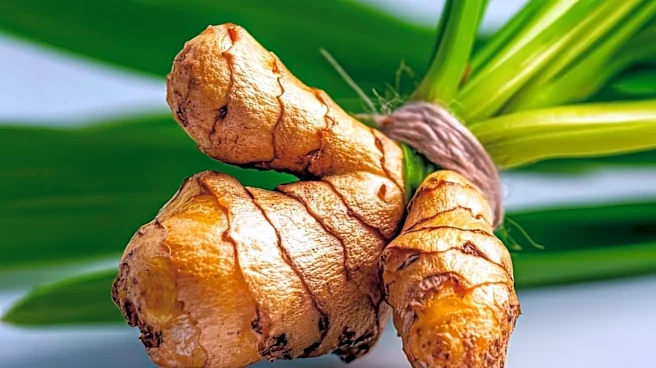








Ginger, a spice with a storied history, is not only a culinary staple but also a significant agricultural product. The cultivation of ginger, particularly in India, involves a series of meticulous farming practices that ensure the production of high-quality rhizomes. This article explores the detailed processes involved in ginger farming, from seed treatment to harvesting.
Seed Treatment and Soil Preparation
The journey of ginger cultivation begins with the careful selection and treatment
of seed rhizomes. Farmers in India employ various methods to prevent pests and diseases, such as dipping seeds in cow dung emulsion, smoking them before storage, and using hot water treatments. These practices are crucial in ensuring healthy plant growth and maximizing yield.
Once the seeds are treated, the soil must be thoroughly prepared. Farmers plow the land multiple times to break up the soil, creating an ideal environment for planting. Water channels are then established to facilitate irrigation, which is essential for the crop's growth. The planting of ginger typically occurs between March and June, coinciding with the onset of the monsoon season.
Growth and Maintenance
After planting, farmers focus on maintaining the crop through mulching and hilling. Mulching involves applying green leaves or other organic materials to the plant beds, which helps conserve moisture, suppress weeds, and prevent soil erosion. This process is repeated at intervals of 45 and 90 days to ensure optimal growth conditions.
Hilling, the process of stirring and breaking up the soil, is another critical maintenance practice. It helps control weed growth, improves soil aeration, and conserves moisture. Farmers must also provide supplemental irrigation, especially during periods of low rainfall, to support the crop's development.
Harvesting and Processing
The timing of the ginger harvest depends on its intended use. For products like fresh ginger, soda, and candy, harvesting occurs four to five months after planting. In contrast, rhizomes intended for dried ginger or ginger oil are harvested at full maturity, eight to ten months after planting.
The processing of dry ginger involves soaking the rhizomes in water and carefully scraping off the outer skin by hand. This delicate process is typically done with bamboo splinters or wooden knives to preserve the quality of the ginger. The dried rhizomes are then ground into powder at consuming centers, ready for distribution and sale.
Ginger farming is a labor-intensive and costly endeavor, with significant expenses related to labor and seed material. Despite these challenges, the cultivation of ginger remains a vital agricultural activity, particularly in India, where it is a major contributor to the country's spice production.