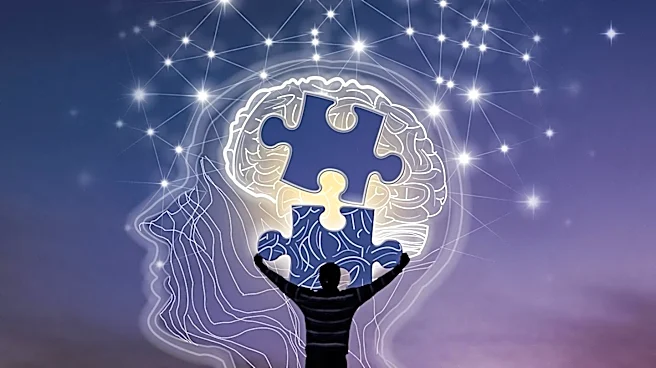











Neurodiversity is a concept that has gained significant attention in recent years, offering a new way to understand human brain function. It emphasizes the natural variation in brain function and behavior among humans, viewing conditions like autism and ADHD as natural differences rather than disorders. This paradigm shift challenges traditional views and advocates for acceptance and social justice for neurodivergent individuals.
The Spectrum of Neurocognitive Differences
The neurodiversity
paradigm recognizes that human brain function varies widely, encompassing differences in sensory processing, motor abilities, social comfort, cognition, and focus. These variations are seen as part of a spectrum of neurocognitive differences, rather than deviations from a norm. This perspective challenges the traditional medical model that often pathologizes these differences as disorders needing treatment or cure.
By viewing these differences as natural, the neurodiversity paradigm encourages a more inclusive understanding of human diversity. It suggests that conditions like autism and ADHD are not diseases but rather different ways of experiencing the world. This approach promotes acceptance and understanding, encouraging society to accommodate and celebrate these differences rather than attempting to change them.
The Role of the Neurodiversity Movement
The neurodiversity movement plays a crucial role in advocating for the rights and acceptance of neurodivergent individuals. It seeks to shift societal perceptions and promote policies that support the inclusion of neurodivergent people in all aspects of life. The movement emphasizes the importance of recognizing the strengths and contributions of neurodivergent individuals, advocating for accommodations in educational and workplace settings.
A key aspect of the movement is the rejection of therapies aimed at making neurodivergent individuals indistinguishable from their peers. Instead, it supports approaches that help these individuals thrive as they are, focusing on their unique strengths and abilities. This shift in focus from curing to accommodating represents a significant change in how society views and interacts with neurodivergent individuals.
Implications for Society
The adoption of the neurodiversity paradigm has far-reaching implications for society. It challenges existing structures and calls for changes in how we approach education, employment, and healthcare. By recognizing and valuing neurodiversity, society can create more inclusive environments that allow all individuals to reach their full potential.
In education, this means providing resources and support tailored to the needs of neurodivergent students, recognizing their unique ways of learning and thinking. In the workplace, it involves creating environments that accommodate different working styles and leveraging the strengths of neurodivergent employees. Overall, embracing neurodiversity can lead to a more equitable and just society, where all individuals are valued for their unique contributions.