
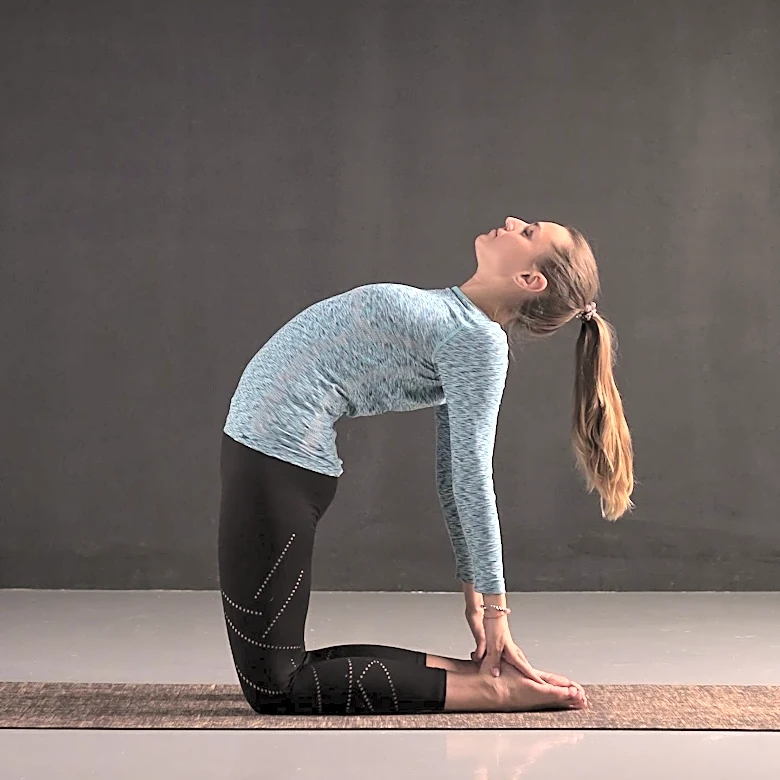
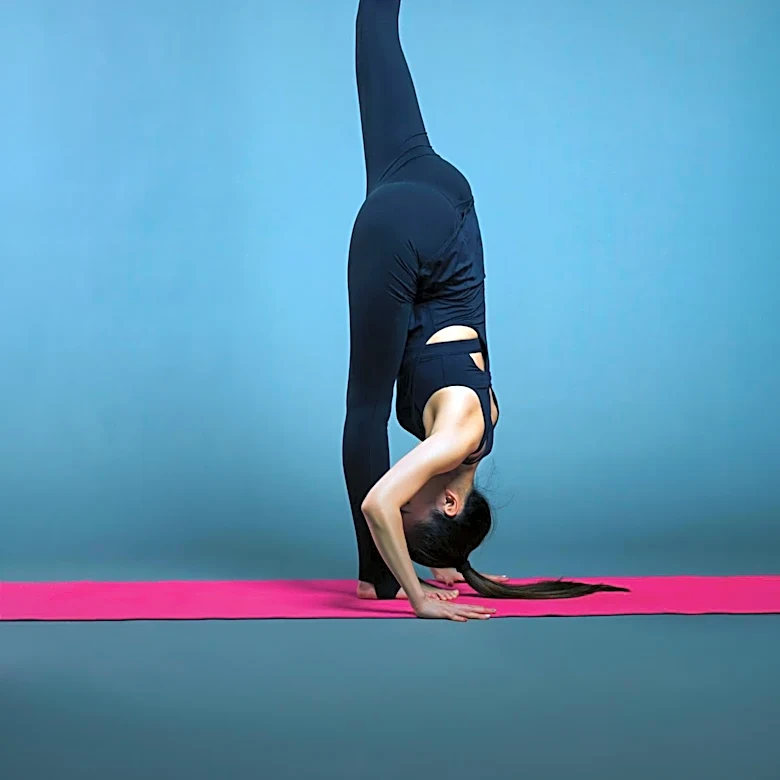



Yoga asanas, or postures, are a central component of modern yoga practice, yet their history reveals a fascinating evolution. While some poses have ancient origins, many commonly practiced asanas today, including variations of Parsvakonasana, are relatively recent developments, emerging primarily in the 20th century. This modern evolution highlights a shift in how asanas are conceived and utilized, moving beyond their traditional spiritual purposes
to encompass physical culture and descriptive naming conventions.
The historical record indicates that many asanas familiar to contemporary practitioners were not present in medieval hatha yoga texts. Instead, their appearance can be traced to the 20th century, particularly within the influential school of yoga established by Krishnamacharya in Mysore, India. His teachings, and those of his prominent pupils like Pattabhi Jois and B. K. S. Iyengar, were instrumental in developing and popularizing a wide array of new postures, often characterized by names that directly describe the body's position and its limbs.
The Rise of Descriptive Naming in Modern Asanas
One notable characteristic of these newer asanas is their naming convention. While traditional asanas often bear names derived from objects, legendary figures, or animals—such as Vrikshasana (tree pose), Matsyendrasana (the sage Matsyendra's pose), or Kurmasana (tortoise pose)—a significant number of Iyengar's asanas, for instance, are named simply by describing the body's position. Utthita Parsvakonasana, or "Extended Side Angle Pose," is a prime example of this trend, directly translating to "extended side angle posture" from its Sanskrit roots: "utthita" meaning "extended," "parsva" meaning "side or flank," "kona" meaning "angle," and "asana" meaning "posture or seat."
This descriptive naming suggests a later development, distinguishing them from older poses. The scholar Sjoman observed that an overwhelming eighty-three of Iyengar's asanas follow this pattern, indicating they were developed more recently. This shift reflects a more systematic approach to categorizing and teaching postures, emphasizing the physical alignment and form of the body within the pose.
Krishnamacharya's Influence and the 20th-Century Yoga Boom
Krishnamacharya's school played a pivotal role in this modern expansion of asanas. Many standing asanas, including Trikonasana (triangle pose) and Utthita Parshvakonasana, first appeared in the 20th century. His experimentation with asanas and his innovative use of gymnastic jumping between poses are believed to have influenced the resemblances between modern standing asanas and Scandinavian gymnastics, particularly the system of Niels Bukh.
This period saw a significant increase in the number of documented asanas. By 1966, Iyengar's seminal work, *Light on Yoga*, described approximately 200 asanas, comprising about 50 main poses and their variations. This proliferation continued, with Mittra illustrating 908 poses and variations in his 1984 *Master Yoga Chart*, and many more being created since then. This rapid expansion underscores the dynamic and evolving nature of yoga practice in the modern era.
Specific Examples of Recent Asana Development
Some poses that appear traditional, such as Virabhadrasana I (Warrior Pose I), are actually relatively recent, likely devised by Krishnamacharya around 1940 and popularized by Iyengar. Even more recent is Parivritta Parsvakonasana (Revolved Side Angle Pose), which was not included in the first edition of Pattabhi Jois's *Yoga Mala* in 1962. Viparita Virabhadrasana (Reversed Warrior Pose) is still newer, possibly created after 2000.
These examples illustrate that the landscape of yoga asanas is not static but has been continuously shaped and expanded by influential teachers and practitioners over time. The development of poses like Utthita Parshvakonasana and Parivrtta Parsvakonasana reflects a continuous innovation within the yoga tradition, adapting and evolving to new understandings of the body and practice.