





The 1968 Summer Olympics, officially known as the Games of the XIX Olympiad, represented a pivotal moment in the history of international multi-sport events. Held in Mexico City from October 12 to October 27, these games were notable for several significant firsts. They marked the inaugural time the Olympic Games were staged in Latin America, a Spanish-speaking country, and the Global South. This geographic shift also meant a gap of two Olympic Games not being
held in Europe, breaking a previous pattern. The event brought together 5,516 athletes from 112 nations, competing across 172 events in 18 sports and 24 different disciplines, showcasing a truly global athletic spectacle.
Pioneering Innovations and Athletic Achievements
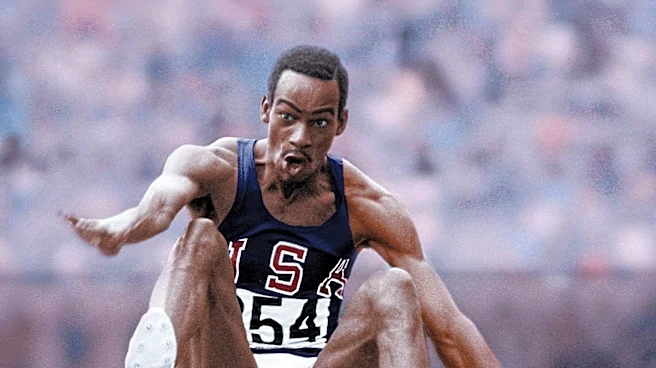
The Mexico City Games introduced several technological and infrastructural advancements that would shape future Olympic competitions. For instance, these were the first Games to utilize an all-weather, smooth track for track and field events, departing from the traditional cinder track. This innovation provided athletes with a more consistent and potentially faster surface, contributing to the numerous world records set during the athletics competitions. Furthermore, the 1968 Olympics were the first to exclusively employ electronic timekeeping equipment, enhancing the precision and fairness of event results. These technological leaps underscored a commitment to modernizing the Olympic experience for both athletes and spectators.Beyond the technological innovations, the athletic performances themselves were remarkable. The athletics events, held from October 13 to October 20 at the Estadio Olímpico Universitario, featured 36 events with 1,031 athletes from 93 countries. This particular segment of the Games was especially notable for the sheer number of Olympic firsts and world records achieved. The competitive spirit and the high level of performance demonstrated by athletes from around the globe solidified the 1968 Olympics as a benchmark for athletic excellence.
A Global Gathering in a Unique Setting
The participation of 112 nations underscored the growing international reach and appeal of the Olympic movement. Athletes from diverse backgrounds converged in Mexico City, creating a vibrant cultural exchange alongside the athletic contests. The host nation, Mexico, played a significant role in organizing and presenting these games, while the United States was among the many countries that sent a large contingent of athletes to compete across multiple sports. This broad international involvement highlighted the Olympics' role as a platform for global unity and peaceful competition.The Games of the XIX Olympiad were not just a sporting event but also a significant cultural and political moment. Being the first Olympics in Latin America, they carried symbolic weight, representing a broadening of the Olympic movement's geographical scope. The city itself provided a unique backdrop, blending ancient history with modern development, offering a memorable experience for all participants and attendees. The legacy of the 1968 Summer Olympics continues to resonate, remembered for its groundbreaking innovations, exceptional athletic achievements, and its role in expanding the global footprint of the Olympic Games.