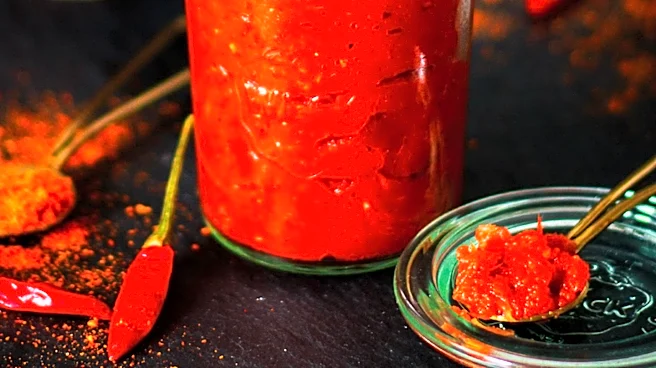








Harissa, a spicy chili pepper paste, is far more than just a condiment; it is a cornerstone of culinary and social practices in Tunisia and across North Africa. Recognized by UNESCO as part of Tunisia's Intangible Cultural Heritage in 2022, harissa embodies a rich tradition of knowledge, skills, and communal practices. Its preparation and consumption are deeply woven into the fabric of daily life and special occasions, reflecting regional identities
and historical influences. From its core ingredients to its diverse applications, harissa stands as a testament to the vibrant culinary heritage of the Maghreb.
Harissa in Tunisian Culinary Life
In Tunisia, harissa is often described as the country's main condiment, even its national condiment, and is considered a hallmark of Tunisian fish and meat dishes. Recipes for harissa can vary significantly from one household to another and across different regions, showcasing a rich diversity in preparation. Some variations might include the addition of fermented onions or lemon juice, contributing unique flavor profiles. Beyond homemade versions, prepared harissa is widely available in various forms, including jars, cans, bottles, and tubes, making it accessible for everyday use.
Harissa plays a versatile role in Tunisian cooking. It is frequently used as an ingredient in stews featuring poultry, beef, goat, or lamb, often combined with vegetables. It also serves as a key flavoring for couscous, a staple dish in the region. Additionally, harissa is an essential component of lablabi, a traditional chickpea soup, and fricasse, a type of sandwich. The annual Nabeul Harissa Festival, held in October, celebrates this national icon, showcasing traditional making processes and emphasizing the role of local women in preserving the condiment's heritage.
Regional Variations and Consumption Across North Africa
The influence of harissa extends beyond Tunisia, with distinct consumption patterns and variations found in neighboring countries. In Algeria, harissa is a common addition to soups, stews, and couscous, and can also be used as a rub for meats or eggplants. The Annaba Province in Algeria is noted as both a significant producer and consumer of the paste. Cookbook author Martha Rose Shulman has observed that premade harissa often tastes quite different from the versions served in Tunisian and expatriate restaurants, suggesting a preference for fresh or homemade preparations.
Moroccan cuisine has also adopted harissa, where it is used as a side condiment for tagines or mixed into various dishes. Moroccans often prefer a less seasoned harissa, which allows for greater flexibility in incorporating it into dishes with diverse flavor profiles. In Libya, a very similar chili sauce known as pilpelshuma, or maseer, is popular. This paste, made from powdered sweet and hot peppers and crushed garlic, sometimes includes caraway seeds, cumin, lemon juice, and salt. It functions as both a condiment and an ingredient in dishes like salads, meat, fish, legumes, rice, and egg dishes such as shakshouka, highlighting the broad cultural impact and adaptability of this spicy paste.