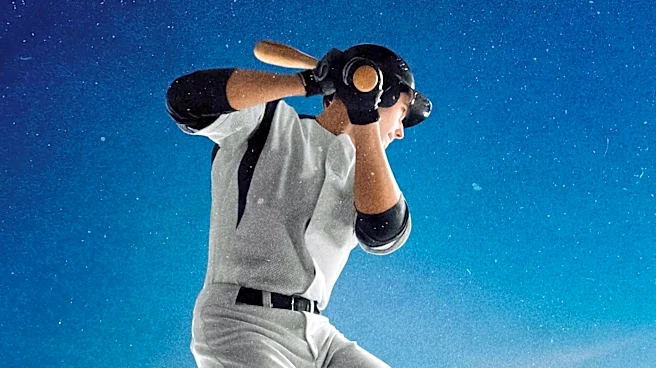




Willie Lee McCovey, affectionately known as "Stretch" and "Willie Mac," was a formidable presence in Major League Baseball (MLB) from 1959 to 1980. Primarily playing first base for the San Francisco Giants for 19 seasons, with stints with the San Diego Padres and Oakland Athletics, McCovey was renowned for his fearsome left-handed power hitting. His ability to consistently drive the ball with authority left an indelible mark on the game, placing him
among the elite sluggers in baseball history.
A Dominant Force at the Plate
McCovey's power was evident from the very beginning of his major league career. In his debut on July 30, 1959, he went four-for-four, showcasing his hitting ability against Hall-of-Famer Robin Roberts. In just 52 major league games that year, he launched 13 home runs, contributing to his National League (NL) Rookie of the Year award. His first full month in the majors, August 1959, saw him hit 8 home runs and drive in 22 runs with a .373 batting average, earning him the NL Player of the Month award. This early display of power set the stage for a career filled with towering blasts.Throughout his career, McCovey consistently ranked among the league's top home run hitters. He was a three-time home run champion, leading the NL in 1963, 1968, and 1969. In 1963, he tied with Hank Aaron for the NL lead with 44 home runs. His most statistically impressive season came in 1969, when he hit 45 home runs, drove in 126 RBIs, and maintained a .320 batting average, earning him the NL Most Valuable Player (MVP) award. That same year, he was also named the MVP of the All-Star Game, hitting two home runs to lead the National League to a 9-3 victory over the American League. His consistent performance earned him six All-Star selections during his career.
Legacy in Home Runs and Beyond
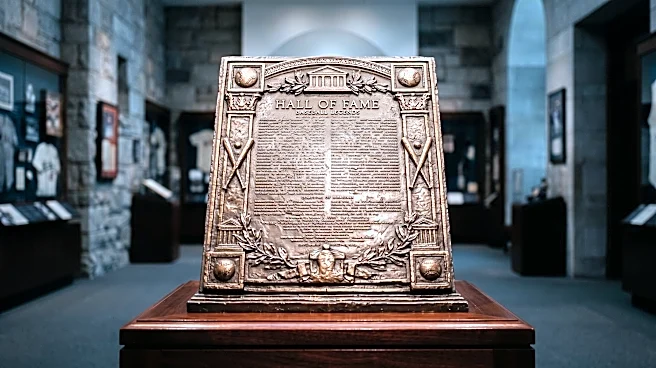
At the time of his retirement in 1980, Willie McCovey's 521 career home runs placed him second only to Babe Ruth among left-handed batters and seventh overall on the all-time home run list. As of 2022, he still ranks 20th overall, tied with legendary hitters Ted Williams and Frank Thomas. This remarkable achievement underscores his sustained power and impact over two decades in the league. His powerful swing was so anticipated that at Candlestick Park, the Giants' home stadium, fans would often gather in the open area behind right field when McCovey came to bat, hoping to catch one of his signature home runs.Beyond his home run totals, McCovey also led the NL in RBIs twice, in 1968 and 1969, further demonstrating his ability to drive in runs and contribute significantly to his team's offense. His career statistics, including 2,211 hits, 1,229 runs, and 1,555 RBIs, reflect a comprehensive offensive threat. His consistent performance and intimidating presence at the plate earned him a place in the Baseball Hall of Fame in 1986, in his first year of eligibility, a rare honor bestowed upon only 16 players at that time. McCovey's legacy is that of a true power hitter whose left-handed swing left an enduring mark on baseball history.