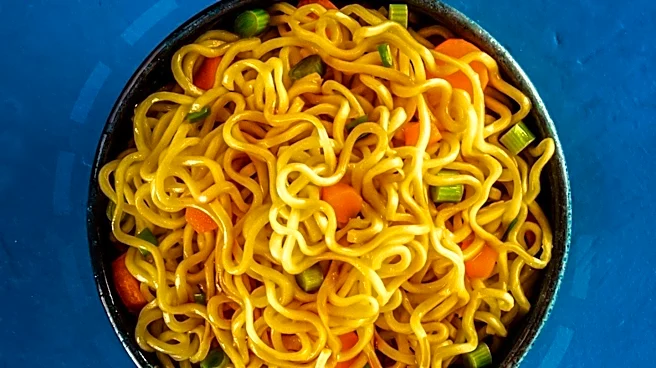

Chow mein, a dish of stir-fried noodles, is a culinary chameleon that has adapted to various tastes and preferences around the world. Originating from China, this versatile dish has been embraced by different
cultures, each adding their own unique twist. From the crispy and steamed versions in the United States to the noodle-less Cajun chow mein in Louisiana, the variations of chow mein are as diverse as the regions that enjoy it. This article delves into the different forms of chow mein and how they reflect the culinary influences of their respective regions.
American Adaptations
In the United States, chow mein has become a staple of Chinese-American cuisine, with two primary styles: crispy and steamed. Crispy chow mein features fried, flat noodles that are often topped with a thick brown sauce. This version is popular on the East Coast, where the term "chow mein" typically refers to the crispy kind. In contrast, steamed chow mein, which uses softer, rounded noodles, is more common on the West Coast.
The American versions of chow mein often include a variety of vegetables such as onions, celery, carrots, cabbage, and mung bean sprouts. Meat options typically include chicken, pork, beef, or shrimp, although vegetarian and vegan versions are also popular. These adaptations demonstrate how chow mein has been tailored to suit American tastes while retaining its Chinese roots.
Regional Twists
Beyond the general American adaptations, chow mein has also been customized to fit regional preferences within the U.S. In Minnesota, for example, a unique version of chow mein includes ground beef and cream of mushroom soup, creating a hearty and comforting dish. In Philadelphia, chow mein is similar to chop suey but includes crispy fried noodles on the side and is often served with fried rice.
In Louisiana, a noodle-less version known as "Cajun chow mein" is made with rice and resembles jambalaya. This adaptation reflects the influence of local Cajun cuisine and highlights the dish's ability to evolve and incorporate regional flavors.
International Variations
Chow mein's adaptability is not limited to the United States. In India, the dish is often spiced with local seasonings, creating a fusion of Chinese and Indian flavors. In the United Kingdom, chow mein is a popular takeaway option, often served with a variety of meats and vegetables.
These international variations of chow mein showcase the dish's versatility and its ability to transcend cultural boundaries. As chow mein continues to be enjoyed by people around the world, it remains a delicious example of how food can adapt and thrive in different culinary landscapes.