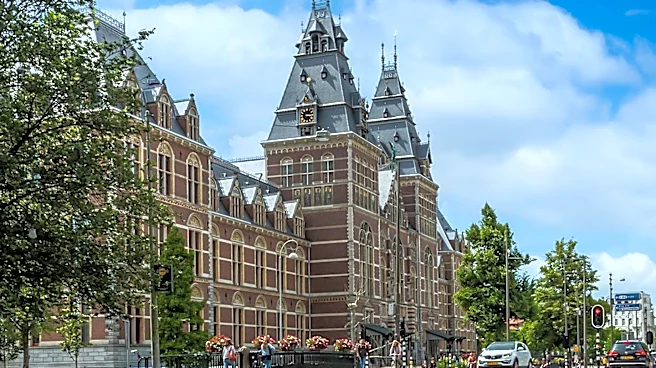








The 1928 Summer Olympics, officially known as the Games of the IX Olympiad, marked a significant moment in Olympic history. Held in Amsterdam, Netherlands, from July 28 to August 12, these games were notable for several reasons, including the introduction of new traditions and the participation of a record number of athletes. This article explores the key aspects that made the 1928 Summer Olympics a landmark event.
A New Era for the Olympics
The 1928 Summer Olympics were the
first to be organized under the presidency of Henri de Baillet-Latour of the International Olympic Committee (IOC). This event was also the first to officially bear the name "Summer Olympic Games," distinguishing it from the Winter Olympic Games, which had been held since 1924. The games in Amsterdam set a new precedent by featuring a schedule of sixteen days between ceremonies, a format that has become standard in subsequent Olympics.
Another significant aspect of the 1928 Olympics was the funding model. For the first time, the events were entirely funded through private donations, with no financial support from the host nation's government. This approach demonstrated the potential for organizing large-scale international events without relying on public funds, a model that has influenced future Olympic Games.
Innovations and Firsts
The 1928 Summer Olympics introduced several innovations that have become integral to the Olympic tradition. Notably, this was the first time the American company Coca-Cola appeared as an official sponsor, marking the beginning of a long-standing relationship with the Olympic Games. Coca-Cola remains the oldest Olympic sponsor to this day, highlighting the enduring impact of the 1928 games on corporate sponsorship in sports.
Additionally, the 1928 Olympics were the first to feature women's gymnastics as a competitive event. This inclusion marked a significant step forward in gender equality in sports, paving the way for greater female participation in future Olympic Games. The introduction of women's gymnastics was a milestone that reflected the evolving attitudes towards women in athletics during the early 20th century.
The Legacy of Amsterdam 1928
The legacy of the 1928 Summer Olympics extends beyond the innovations and firsts introduced during the event. The games were a testament to the resilience and determination of the city of Amsterdam, which had previously bid for the 1920 and 1924 Olympics but was unsuccessful. Hosting the 1928 games was a moment of pride for the Netherlands, showcasing the country's ability to organize a successful international sporting event.
The 1928 Olympics also left a lasting impact on the athletes who participated. Carla Marangoni, a member of the silver medal-winning Italian gymnastics team, was the last surviving competitor from the 1928 games. Her longevity and connection to the event serve as a reminder of the enduring human spirit and the timeless nature of the Olympic Games.
In conclusion, the 1928 Summer Olympics in Amsterdam were a pivotal moment in Olympic history, characterized by innovation, inclusivity, and a spirit of international cooperation. These games set the stage for future Olympic events and continue to be remembered as a significant milestone in the world of sports.