



The endocrine system is a complex and vital network within the human body, composed of numerous glands distributed throughout. These glands are responsible for producing and secreting hormones, which are chemical messengers of diverse structures, including peptides, steroids, and neuroamines. Collectively, these hormones orchestrate and regulate a vast array of physiological processes, ensuring the body functions correctly and maintains its internal
balance. Understanding this system is crucial to comprehending how the body responds to internal and external stimuli.
Glands and Their Hormonal Output
The endocrine system includes various glands, each with specialized functions. For example, the pituitary gland, often referred to as the "master gland," secretes hormones that control other endocrine glands. The adrenal glands produce corticosteroids, which are essential for stress response and metabolism. The gonads, which include the testes in males and ovaries in females, produce steroids that influence reproductive functions and secondary sexual characteristics. These glands do not operate in isolation; their activities are often interconnected and regulated by feedback mechanisms.
Beyond the major glands, the endocrine system also includes endocrine islet tissue embedded within glandular structures, such as in the pancreas, and scattered cells in the exocrine parenchyma, collectively known as the diffuse endocrine system. This widespread distribution of hormone-producing cells underscores the pervasive influence of the endocrine system throughout the body. The chemical diversity of hormones—from small neuroamines to larger peptides and complex steroids—allows for a wide range of specific actions and regulatory roles.
Neuroendocrine Integration: A Unified Approach
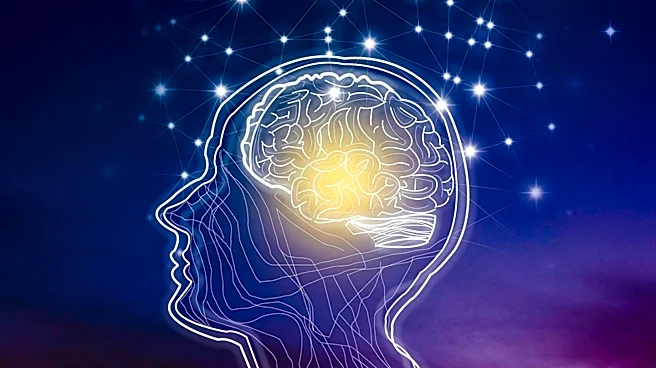
The interaction between the nervous system and the endocrine system is so profound that it forms a specialized field of study called neuroendocrinology. This field recognizes that the brain, particularly the hypothalamus, directly controls the hormonal activity in the body. This integration, known as neuroendocrine integration, ensures that the body's physiological processes are regulated in a coordinated manner. For instance, the hypothalamus receives electrical signals from different parts of the brain and translates them into chemical signals in the form of hormones or releasing factors.
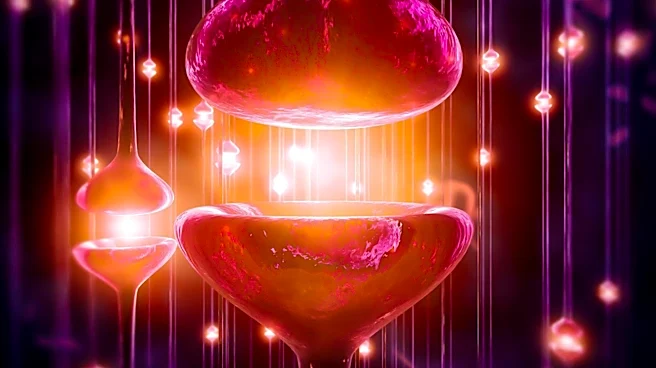
These chemical signals are then transported to the pituitary gland, which subsequently releases its own hormones into the systemic circulation. This pathway allows the brain to exert precise control over various endocrine functions. The neuroendocrine system, for example, is instrumental in maintaining homeostasis by regulating critical processes such as reproduction, metabolism, eating and drinking behavior, energy utilization, osmolarity, and blood pressure. The feedback loops within this system are crucial; responses from target tissues can signal back to the hypothalamus and pituitary, influencing whether they continue or stop producing their precursor signals, thereby ensuring dynamic and adaptive regulation.
Hormonal Feedback and Brain Influence
The influence of hormones extends back to the brain itself, creating complex feedback loops. Steroids secreted by the gonads, for instance, can directly influence brain function. Similarly, corticosteroids from the adrenal gland, released under the direction of adrenocorticotrophic hormone, also impact the brain. These feedback mechanisms are a central focus of neuroendocrinologists, as they reveal how hormonal changes can alter brain activity and vice versa. The peptides released by hypothalamic neuroendocrine neurons into the bloodstream are also found to act within the brain, often complementing their peripheral effects.
This intricate interplay means that understanding the central actions of these peptides, even when they appear in different brain regions, is part of neuroendocrinology. The endocrine system, through its hormonal output and its deep integration with the nervous system, provides a comprehensive regulatory framework for the body. Its study has been fundamental to understanding basic principles in physiology and neuroscience, particularly in areas like stimulus-secretion coupling, and continues to be a dominant theme in research today.