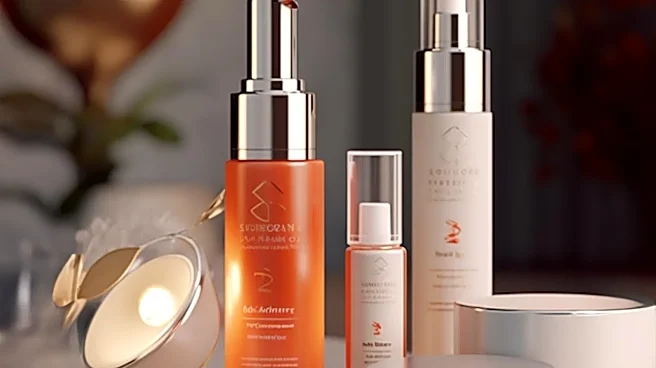

For individuals seeking a darker skin tone without exposure to ultraviolet (UV) radiation, or during seasons when strong sunshine is scarce, sunless tanning offers an alternative. Also known as self-tanners,
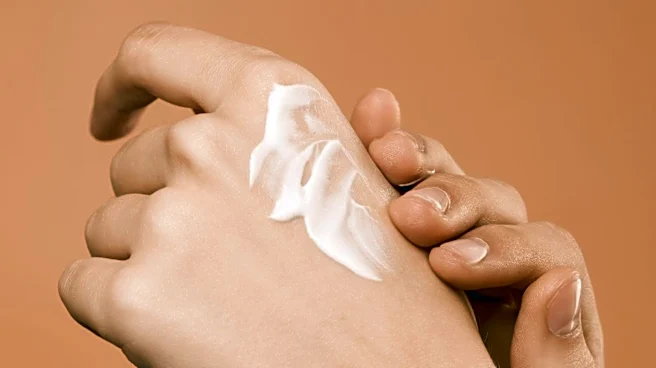
these products provide a tanning effect without relying on natural sunlight or artificial UV lamps. This method has gained popularity as awareness of the potential risks associated with UV exposure has increased. Sunless tanning products come in various forms, including creams, gels, lotions, and sprays, allowing for self-application or professional services.
The core of most sunless tanning products lies in dihydroxyacetone (DHA), a chemical that reacts with proteins in the top layer of the skin. Unlike dyes or stains, DHA initiates a chemical reaction with the amino acids in the dead skin cells on the surface. One of the primary pathways for this reaction is a free radical-mediated Maillard reaction, while another is the conventional Maillard reaction, a process familiar to food chemists for its browning effects. This chemical interaction does not involve the underlying skin pigmentation and does not require UV light to trigger the color change, resulting in a temporary brown color.
Application Methods and Chemical Reactions
Sunless tanning products are widely available for self-application, allowing individuals to achieve a tan at home. These products are typically found as darkening creams, gels, lotions, and sprays. For a more professional application, spray-on tanning options, often referred to as "tanning booths," are offered by spas, salons, and dedicated tanning businesses. These professional services ensure an even application and a consistent result.
The chemical reaction initiated by DHA is temporary, and the resulting color gradually fades over 3 to 10 days as the outermost layer of skin cells naturally sheds. Some sunless tanning products also incorporate erythrulose, which functions similarly to DHA but develops the tan more slowly. While effective, both DHA and erythrulose have been known to cause contact dermatitis in some individuals. It's important to note that while sunless tanners provide a cosmetic tan, they do not offer significant protection against UV rays, and users should still apply sunscreen when outdoors.
Risks and Precautions with Sunless Tanners
Despite their appeal, sunless tanning products come with certain considerations and potential risks. A 2007 study indicated that for 24 hours after self-tanner application, the skin becomes particularly susceptible to ultraviolet light. Researchers found that 40 minutes after treating skin samples with high levels of DHA, more than 180 percent additional free radicals formed during sun exposure compared to untreated skin. Erythrulose produced a similar response at high levels. This suggests that excessive sun exposure should be avoided, and sunscreen should be worn outdoors for a day after applying self-tanner; an antioxidant cream might also help minimize free radical production.
Although some self-tanners contain sunscreen, its protective effect is often short-lived and does not last as long as the tan itself. The stated SPF is only applicable for a few hours post-application. Therefore, even with darkened skin, individuals remain susceptible to UV rays, making overall sun protection essential. Furthermore, there may be some inhibition of vitamin D production in DHA-treated skin. Some self-tanners also contain chemical fragrances that can cause skin allergies or trigger asthma, and some include parabens, preservatives that may affect the endocrine system. An opinion by the European Commission's Scientific Committee on Consumer Safety, which concluded that spray tanning with DHA posed no risk, has faced criticism from specialists due to its reliance on industry-provided, unpublished studies, overlooking peer-reviewed research suggesting DHA's potential as a mutagen and its ability to induce DNA damage in cultured cells.