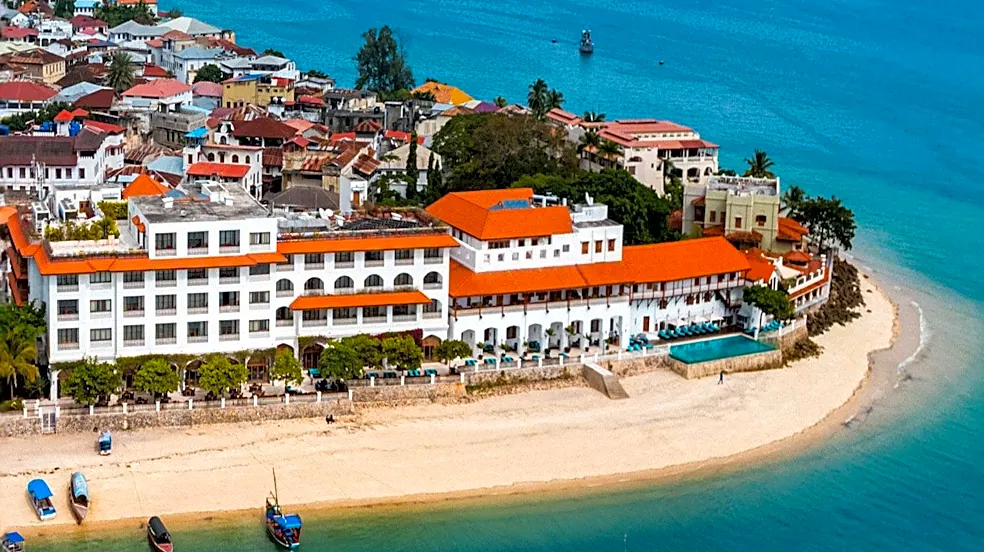









Zanzibar, a semi-autonomous region of Tanzania, is renowned for its rich tapestry of historical significance, vibrant cultural heritage, and diverse economic activities. Comprising the main islands of Unguja (informally known as Zanzibar Island) and Pemba, along with numerous smaller islets in the Indian Ocean, Zanzibar has long been a crossroads for trade and cultural exchange. Its capital, Zanzibar City, with its historic Stone Town, stands as a testament
to this enduring legacy, recognized as a UNESCO World Heritage Site.
The region's economy is traditionally rooted in its spice production, earning it the local moniker "Spice Islands." Key spices cultivated here include cloves, nutmeg, cinnamon, coconut, and black pepper. Beyond agriculture, Zanzibar has seen a significant rise in tourism, which has become a crucial industry. This growth, spurred by government promotion, has transformed the islands into a popular destination, attracting hundreds of thousands of visitors annually and contributing substantially to the local economy.
Economic Pillars: Spices and Tourism
Zanzibar's historical connection to the spice trade dates back centuries, with merchants and traders from Persia, Arabia, and India regularly visiting the islands. This long-standing tradition has made spices a cornerstone of the economy, providing livelihoods for many islanders. The cultivation of various spices not only supports local communities but also contributes to Zanzibar's unique aromatic identity, which is often experienced by visitors.
In recent decades, tourism has emerged as a powerful economic driver. The number of tourists visiting Zanzibar has seen a dramatic increase, from 19,000 in 1985 to 376,000 in 2016, and projected to reach 917,000 by 2025. This growth is facilitated by accessible infrastructure, including five ports and the Abeid Amani Karume International Airport, which is capable of handling up to 1.5 million passengers per year. The influx of tourists supports a wide range of related businesses, from hospitality to local crafts.
Environmental Significance and Challenges
Zanzibar's marine ecosystems are vital, serving as nurseries for Indian Ocean fish populations and supporting significant fishing and algaculture industries. These natural resources are integral to the local economy and the sustenance of its communities. The land ecosystems are equally important, providing habitats for endemic species such as the Zanzibar red colobus, the Zanzibar servaline genet, and the historically present, though now extinct or rare, Zanzibar leopard.
However, these valuable ecosystems face considerable environmental pressures. The growth of the tourism and fishing industries, while economically beneficial, can strain natural resources. Furthermore, larger global threats like sea level rise, exacerbated by climate change, pose significant environmental concerns across the region. Protecting these natural assets is crucial for maintaining both Zanzibar's ecological balance and its long-term economic viability.