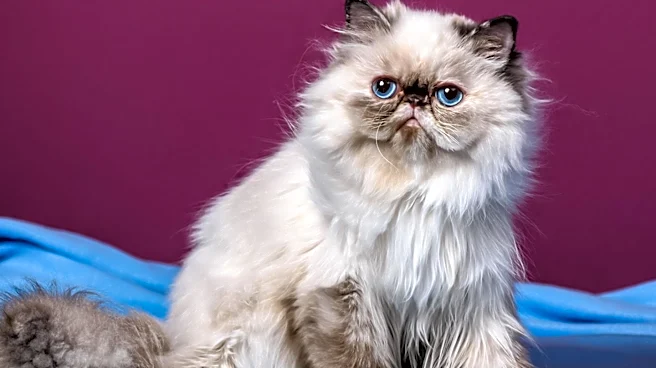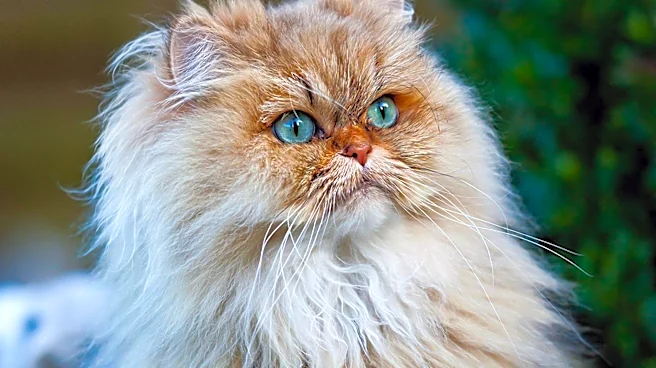






The Himalayan cat, often recognized by its distinctive blue eyes and point coloration, is a long-haired breed that emerged from a deliberate cross between the Persian and Siamese cats. This unique feline is sometimes considered a color variation of the Persian, particularly in some cat registries. Its name, while evocative of exotic locales, actually refers to its striking appearance rather than its geographical origin. The breed's development was
a concerted effort to combine the luxurious coat and gentle temperament of the Persian with the striking color patterns and vocal nature of the Siamese, resulting in a cat that possesses the best of both worlds.
Early Breeding Efforts and Recognition
The formal establishment of a breed combining Persian and Siamese traits began in the United States in the 1930s. Researchers at Harvard University initiated these efforts, referring to the developing cat as the Siamese-Persian. Their findings were published in the Journal of Heredity in 1936, marking an early scientific interest in this hybrid. However, despite these initial studies, major fancier groups did not immediately adopt it as a recognized breed. This early work laid the groundwork for future breeders who would continue to refine and popularize the Himalayan.Independent breeding efforts also took place across the Atlantic. In the United Kingdom, Brian Sterling-Webb dedicated a decade to developing this cross-breed. His persistence paid off, and in 1955, the Governing Council of the Cat Fancy (GCCF) recognized the cat under the name Longhaired Colourpoint. This recognition in the UK was a significant step towards the breed's global acceptance and helped solidify its place within the cat fancy community.
American Contributions and Evolving Standards
In the United States, separate breeding programs commenced around 1950. One notable figure was Jean Mill from California, a cat breeder who pursued graduate classes in genetics at the University of California, Davis. By 1948, Mill was among three breeders independently working to create the Himalayan cat by crossing Persians and Siamese. These parallel efforts underscore the widespread interest in developing a cat with these specific combined traits.By the late 1950s, a breeder known as Mrs. Goforth successfully secured breed recognition for the Himalayan from the Cat Fanciers' Association (CFA) near the end of 1957. Early breeders primarily aimed to introduce Siamese coloration into long-haired cats. To maintain the dominant Persian traits, they frequently outbred their stock to Persians. However, by the 1960s, some breeders began re-introducing Siamese stock, which led to the production of cats that were less "Persian-style" in appearance, showcasing a broader range of characteristics within the developing breed.