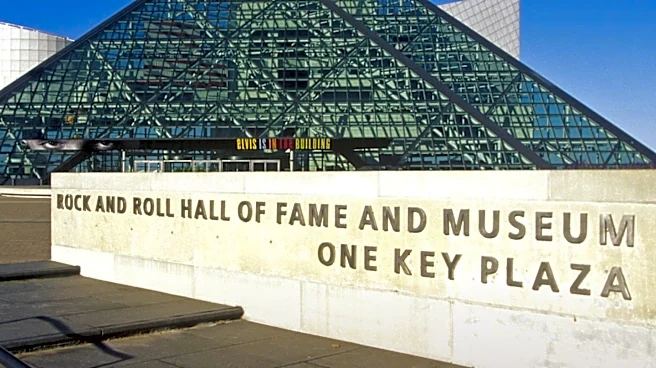








The Rock and Roll Hall of Fame, often simply called the Rock Hall, stands as a prominent museum and hall of fame located in downtown Cleveland, Ohio. Situated on the picturesque shore of Lake Erie, this institution is dedicated to chronicling the rich history of rock music and recognizing the diverse individuals who have shaped its evolution. This includes not only the artists themselves but also producers, engineers, and other personnel whose contributions
have been pivotal. Established in 1983, the Hall of Fame found its permanent home in Cleveland after a thorough search, eventually opening its doors to the public in 1995 with a distinctive architectural design.
The Foundation and Cleveland's Selection
The Rock and Roll Hall of Fame Foundation was officially established on April 20, 1983. This significant undertaking was spearheaded by Ahmet Ertegun, who was the founder and chairman of Atlantic Records, a pivotal figure in the music industry. The initial years involved a comprehensive search for the ideal city to host this important cultural institution. After careful consideration and a competitive process, Cleveland, Ohio, was ultimately chosen in 1986 as the permanent location for the Hall of Fame. This decision cemented Cleveland's role in preserving and celebrating the legacy of rock and roll music.Once Cleveland was selected, the vision for the museum began to take shape. The city's commitment and the broader support for the project were crucial in moving forward. The establishment of the foundation and the subsequent choice of Cleveland laid the groundwork for what would become a major cultural attraction and a central repository for rock music history. The process from foundation to dedication spanned over a decade, highlighting the extensive planning and effort involved in bringing such a significant institution to fruition.
Architectural Vision and Dedication
The design of the Rock and Roll Hall of Fame museum was entrusted to the renowned architect I. M. Pei. Pei's architectural vision resulted in a distinctive and iconic structure that has become synonymous with the institution itself. The building's unique design contributes significantly to Cleveland's skyline and its cultural landscape. The museum was officially dedicated on September 1, 1995, marking a momentous occasion for both the city and the music world. This dedication ceremony preceded its public opening, signaling the culmination of years of planning, fundraising, and construction.Pei's design aimed to capture the energy and spirit of rock and roll, translating it into a physical form. The building itself is a work of art, drawing visitors not only for its contents but also for its striking appearance. Its location on the shore of Lake Erie further enhances its visual appeal, making it a prominent landmark in downtown Cleveland. The architectural significance of the museum is a key aspect of its identity, reflecting the importance and dynamism of the music it celebrates.
Preserving Rock's Legacy: Beyond the Exhibits
While the museum's exhibits are a primary draw, the Rock and Roll Hall of Fame also houses a vital resource for scholars and enthusiasts: its Library and Archives. This facility is recognized as the world's most comprehensive collection of materials related to the history of rock and roll. Located in a dedicated building on the Metro Campus of Cuyahoga Community College in Cleveland's Campus District, the Library and Archives are committed to collecting, preserving, and providing access to these invaluable materials.The Library and Archives serve various audiences. General visitors can access books, magazines, audio recordings, and films within the library. For more in-depth research, serious scholars, historians, and journalists can schedule appointments to access archival collections under the guidance of staff archivists. These collections are extensive, including music-business records from executives, artist managers, labels, historic venues, recording studios, and concert tours. They also contain unique individual items such as personal letters from iconic artists like Aretha Franklin and Madonna, handwritten lyrics by Jimi Hendrix and LL Cool J, papers from music journalists, and rare concert recordings from legendary venues like CBGB in the 1970s. This comprehensive approach ensures that the history of rock and roll is not only displayed but also meticulously documented and preserved for future generations.