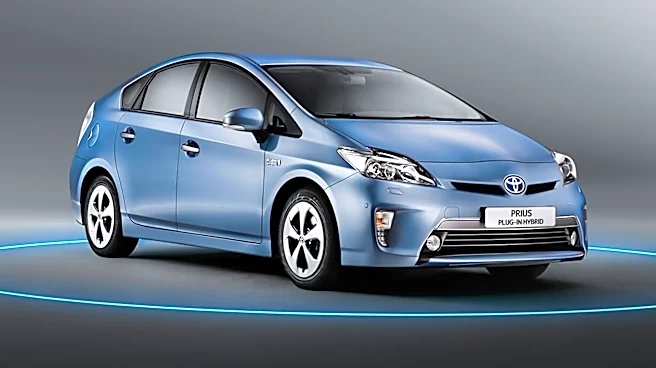

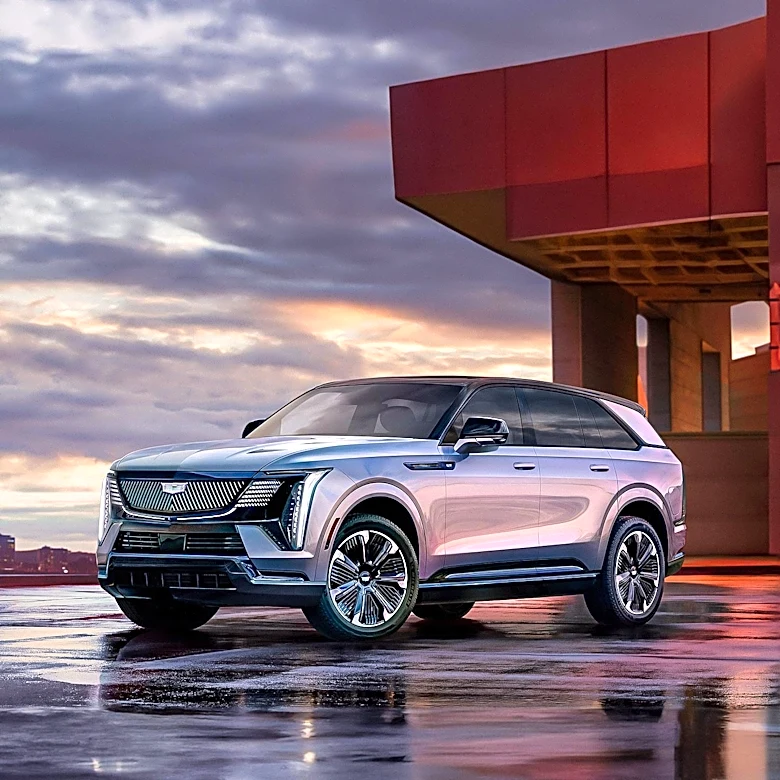





Plug-in hybrid vehicles (PHEVs) represent a significant technological advancement in the automotive industry, combining the benefits of electric and internal combustion engines. This article delves into the key technological innovations that have propelled the development of PHEVs.
Battery Technology and Energy Management
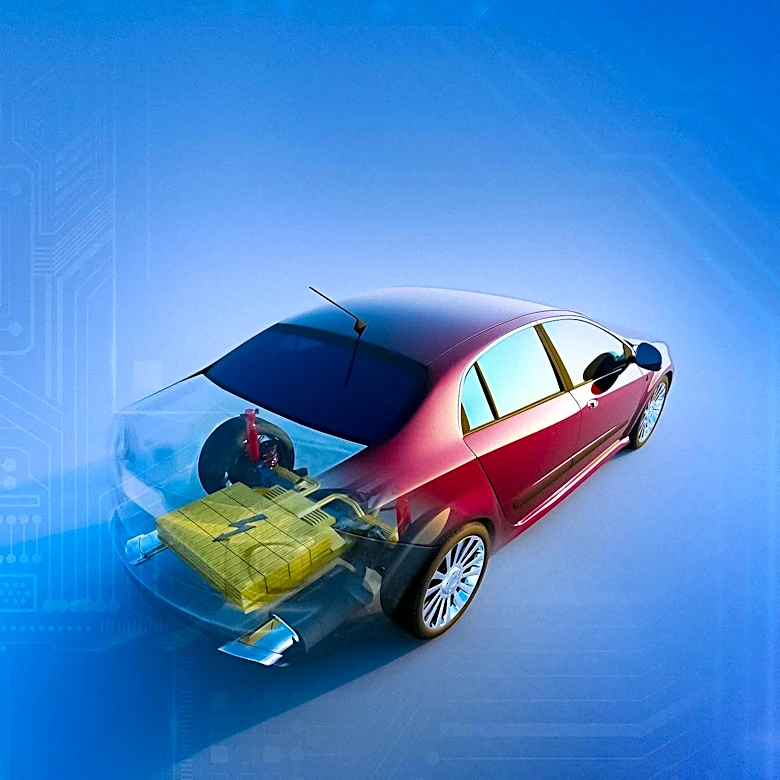
One of the most critical components of a plug-in hybrid is its battery. Early hybrids used lead-acid batteries, but advancements in battery technology have led to the adoption
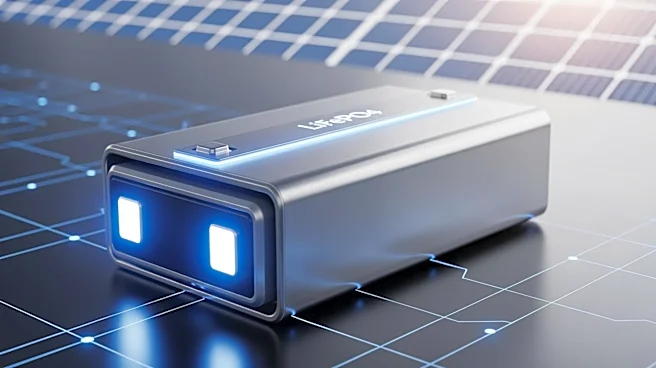
of more efficient lithium-ion batteries. These batteries offer higher energy density, longer life, and faster charging times, making them ideal for PHEVs.
Energy management systems have also evolved to optimize the use of battery power and improve overall vehicle efficiency. Modern PHEVs use sophisticated software to manage the interaction between the electric motor and the internal combustion engine, ensuring that the vehicle operates in the most efficient mode possible. This technology allows PHEVs to achieve impressive fuel economy and reduce emissions.
Regenerative Braking and Electric Motors
Regenerative braking is another technological innovation that has enhanced the efficiency of plug-in hybrids. This system captures kinetic energy during braking and converts it into electrical energy, which is then stored in the battery. This process not only improves fuel efficiency but also extends the life of the braking system by reducing wear and tear.
Electric motors in PHEVs have also seen significant advancements. These motors are now more powerful and efficient, providing better acceleration and performance. The integration of electric motors with internal combustion engines allows PHEVs to operate in various modes, including all-electric, hybrid, and engine-only, offering flexibility and convenience to drivers.
Charging Infrastructure and Future Prospects
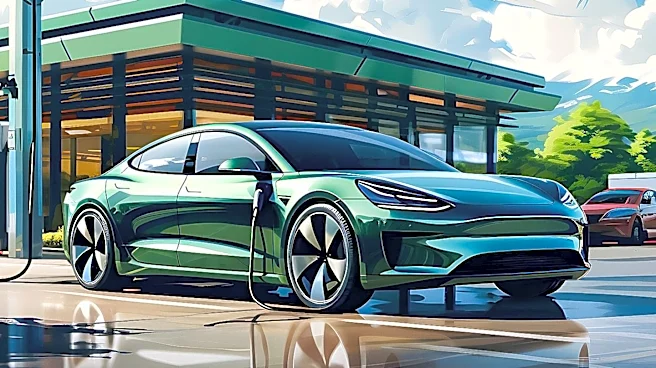
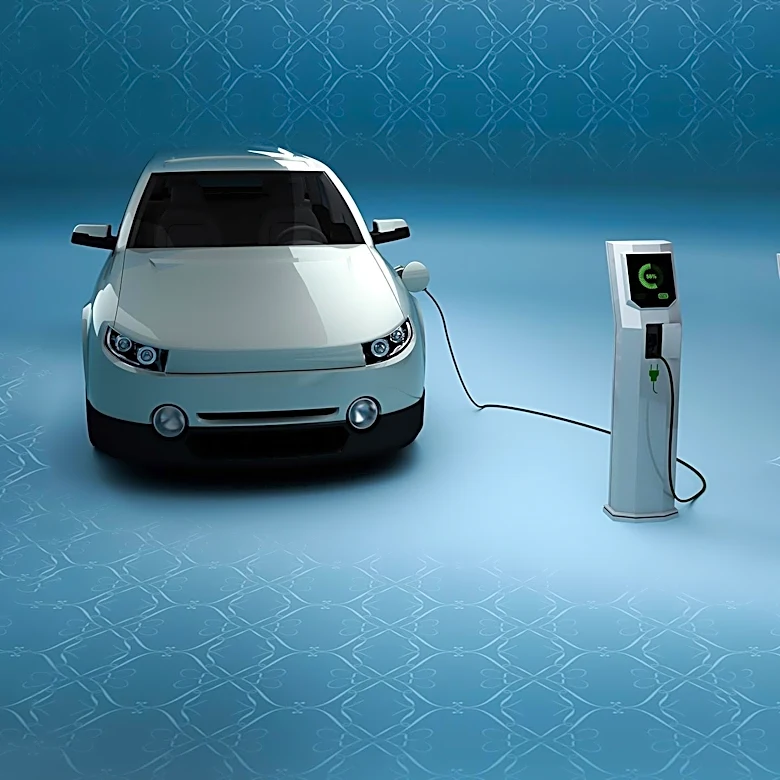
The development of charging infrastructure has been crucial in supporting the growth of plug-in hybrids. Public charging stations have become more widespread, making it easier for PHEV owners to recharge their vehicles. Additionally, advancements in home charging solutions have made it more convenient for users to charge their vehicles overnight.
Looking ahead, the future of plug-in hybrids is promising. Continued improvements in battery technology, energy management systems, and charging infrastructure are expected to enhance the performance and appeal of PHEVs. As the automotive industry moves towards more sustainable solutions, plug-in hybrids are likely to play a vital role in the transition to cleaner transportation options.