






The introduction of the Automated Teller Machine (ATM) revolutionized banking, offering customers unprecedented access to their funds outside traditional banking hours. In the United States, a company named Docutel played a pivotal role in bringing this innovation to the public. While the concept of automated cash dispensing had earlier roots, Docutel's efforts led to the installation of one of the first ATMs in New York in 1969, marking a significant
turning point in the evolution of financial services. This early machine, sometimes referred to as a "Docuteller," laid the groundwork for the widespread adoption of ATMs across the nation.
The Genesis of the Docuteller
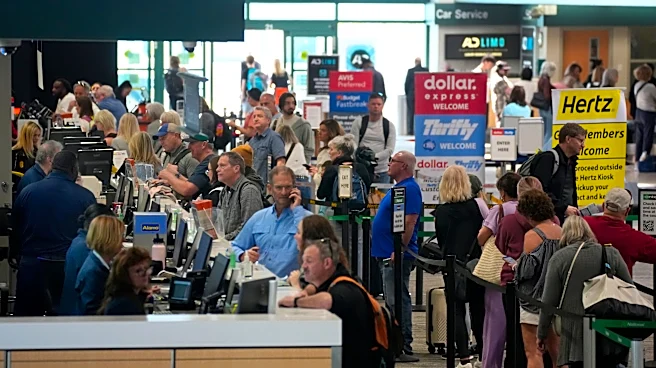
The inspiration for Docutel's ATM came from Don Wetzel, who was the Vice President of Product Planning at Docutel. In 1968, Wetzel found himself waiting in a long line for a teller at a bank in Dallas, Texas. This common frustration, combined with his awareness of cash dispensing machines already in use in Europe, sparked an idea. Docutel was originally involved in airport baggage handling technology, and Wetzel envisioned adapting this existing technology to create an American version of a cash dispenser. This innovative thinking led to the initiation of prototype work in 1969.
The development of the Docuteller was a significant undertaking. Wetzel, along with two other engineers from Docutel, secured a patent for their invention on June 4, 1973. This patent solidified Docutel's contribution to the burgeoning field of automated banking. The first operational Docutel ATM was subsequently installed at a Chemical Bank branch in Rockville Centre, New York, on September 2, 1969. This event was so groundbreaking that Chemical Bank proudly advertised, "On Sept. 2 our bank will open at 9:00 and never close again," highlighting the 24/7 access the ATM provided.
Early Challenges and Skepticism
Despite the promise of automated banking, the initial reception and widespread adoption of ATMs faced hurdles. Chemical Bank executives, for instance, were initially hesitant about the transition to electronic banking. Their concerns stemmed from the high cost associated with these early machines. Furthermore, there was apprehension that customers might resist interacting with machines for their financial transactions, preferring the traditional human interaction with tellers.
This skepticism was not unfounded. An earlier precursor to the ATM, invented by Luther Simjian and known as the Bankograph, had been introduced to the public in 1961. This machine, an automatic deposit machine that accepted cash and check deposits and provided photographic receipts, was placed in a few City Bank of New York lobbies for six months. However, it was ultimately discontinued due to limited appeal. Simjian himself noted that the primary users were a small number of prostitutes and gamblers who wished to avoid face-to-face interactions with tellers, and the bank concluded there weren't enough such users to make the venture lucrative. This early experience underscored the challenges of introducing new banking technologies and the need for broader customer acceptance.
The Path to Widespread Adoption
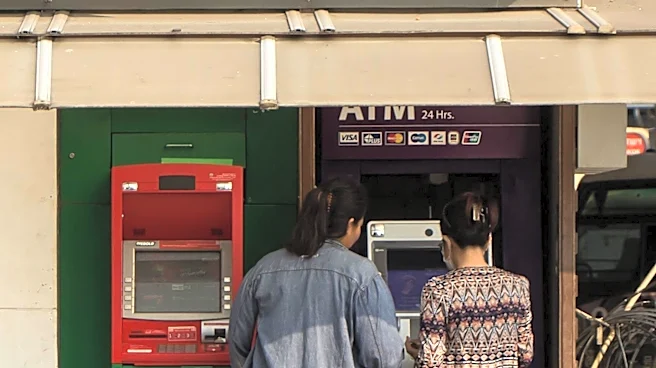
Despite these early challenges, the convenience offered by machines like the Docuteller eventually proved compelling. The ability to withdraw cash and check balances at any time, without needing to enter a bank branch during business hours, was a powerful draw. The concept of a "hole-in-the-wall machine" that allowed customers to make financial transactions began to gain traction. While Docutel was credited with the "macro-commercialization" of ATMs, meaning the first year a firm sold the innovation to a broad market in 1969, the journey to ubiquitous ATM presence was still ongoing.
Texas, for example, initially had restrictive bank branch laws, and its banks did not purchase ATMs until August 1971, when the Texas Attorney General ruled on their legality. This illustrates that the path to widespread ATM adoption involved not only technological innovation but also overcoming regulatory and societal barriers. The Docutel ATM, with its stainless-steel appearance, became a symbol of modern banking, moving away from the image of the solemn, cautious banker to one of technological advancement and accessibility. The legacy of Docutel's pioneering work continues to shape how individuals interact with their finances today.