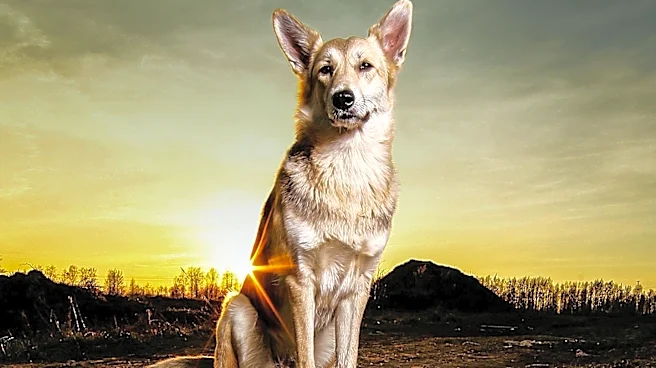








The Mudi is a herding dog breed from Hungary, known for its intelligence and agility. This breed has a rich history that dates back to the early 20th century, and it has recently gained recognition from major kennel clubs. This article explores the Mudi's journey from its origins to its official recognition as a distinct breed.
Early History and Origins
The Mudi was first identified as a distinct breed in 1936 by Dr. Dezso Fenyes in Hungary. It was initially known as the "driver dog" due to its herding capabilities. The breed is closely related to the Puli and Pumi, from which it was separated in the 1930s. These dogs were primarily used for herding livestock, a role they continue to excel in today.The Mudi's early history was marked by challenges, particularly during World War II, when many of these dogs were killed.
Despite these setbacks, the breed managed to survive and maintain its presence in Hungary. The Mudi's resilience and adaptability have been key factors in its continued existence and eventual recognition as a distinct breed.
Recognition by Kennel Clubs
The Mudi's journey to official recognition began with its acknowledgment by The Fédération Cynologique Internationale (FCI) in 1966. This was a significant milestone for the breed, as it provided a platform for international recognition and standardization.In recent years, the Mudi has gained further recognition. On January 5, 2022, the American Kennel Club (AKC) recognized the Mudi as a purebred breed. This recognition was a testament to the breed's unique characteristics and its growing popularity outside of Hungary. The Kennel Club in the United Kingdom also recognized the Mudi on June 12, 2025, effective July 1, further solidifying its status as a recognized breed.
The Mudi Today
Today, the Mudi is celebrated for its intelligence, agility, and versatility. It is not only used for herding but also participates in various dog sports, showcasing its athleticism and trainability. The breed's distinctive wavy coat and range of colors, including fawn, black, and brown, add to its appeal.The Mudi's recognition by major kennel clubs has helped increase its visibility and popularity among dog enthusiasts. As more people become aware of this unique breed, the Mudi continues to thrive both as a working dog and a companion animal. Its journey from a little-known Hungarian herding dog to a recognized breed is a testament to its enduring qualities and the dedication of those who have worked to preserve it.